
Deconstructing Harry (1997)
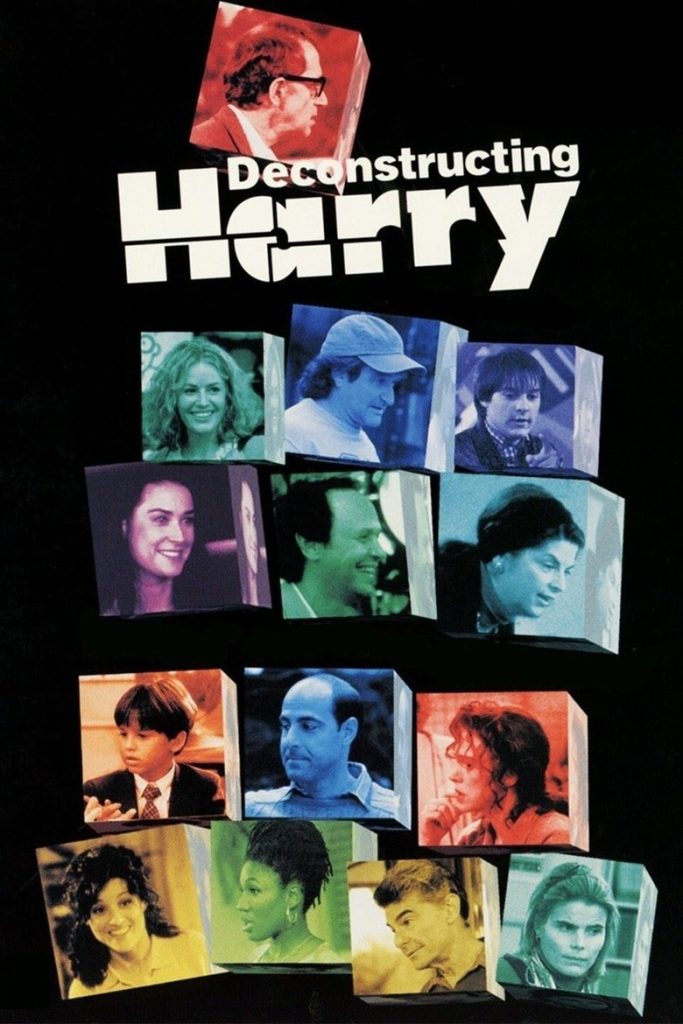
Story overview
Deconstructing Harry is a 1997 comedy-drama film that follows a successful but troubled novelist named Harry Block. As he prepares to receive an honorary degree from his alma mater, Harry reflects on his chaotic life through flashbacks and encounters with characters from his fiction and reality. The film explores themes of creativity, relationships, and personal dysfunction with Woody Allen's signature neurotic humor and introspective style.
Parent Guide
This R-rated film contains mature themes and content suitable only for older teens and adults. It explores complex psychological and relationship issues through a mix of comedy and drama.
Content breakdown
Some verbal conflicts and tense situations, but no physical violence or serious peril.
Psychological themes and dysfunctional relationships may be disturbing; some surreal/fantasy elements could confuse younger viewers.
Some strong language and adult dialogue typical of R-rated films.
References to sexual relationships and infidelity; may include suggestive dialogue and situations.
Some social drinking and references to substance use in adult contexts.
Explores complex emotions around relationships, guilt, and creative expression with both humor and seriousness.
Parent tips
This R-rated film contains mature content that makes it unsuitable for younger viewers. Parents should be aware that it deals with adult themes including infidelity, psychological issues, and complex relationships through both comedic and dramatic lenses. The film's narrative structure, which blends reality and fiction, may be confusing for younger audiences but provides rich material for discussion with older teens about creativity, morality, and personal responsibility.
Parent chat guide
Parent follow-up questions
- What colors did you see in the movie?
- Did you hear any music you liked?
- What was your favorite part of the story?
- How did the movie make you feel?
- Would you want to watch it again?
- What was the main character trying to do in the story?
- How did different characters feel about each other?
- What was funny about the movie?
- What parts were confusing to you?
- What would you do differently than the characters?
- Why do you think the main character had so many problems in his relationships?
- How does the movie show the difference between imagination and reality?
- What messages does the film give about telling the truth?
- How does humor help tell a serious story?
- What did you learn about how people can change?
- How does the film critique or celebrate creative people and their lifestyles?
- What does the movie suggest about the relationship between art and morality?
- How effectively does the film blend comedy with psychological drama?
- What commentary does the film make about therapy and self-understanding?
- How does the narrative structure (flashbacks, fictional characters) enhance the themes?
🎭 Story Kernel
At its core, 'Deconstructing Harry' explores the chasm between artistic creation and personal morality. Harry Block, a successful novelist, mines his own messy life—affairs, betrayals, family dysfunction—for brilliant fiction, leaving a trail of wounded real people in his wake. The film asks whether art justifies the artist's sins, and whether Harry's genius excuses his cruelty. His journey to receive an honorary degree becomes a confrontation with every person he's used as material, revealing that while his fiction offers clarity and resolution, his reality remains stubbornly chaotic and unresolved. The characters are driven by Harry's desperate need to transform his moral failures into aesthetic triumphs.
🎬 Visual Aesthetics
The film employs a striking visual contrast between Harry's vivid imagination and his drab reality. Fantasy sequences burst with saturated colors, theatrical lighting, and fluid camera movements—particularly the hell sequence with its expressionist reds and surreal staging. Reality is shot with flat, naturalistic lighting and handheld camerawork that emphasizes discomfort. Allen uses deliberate visual claustrophobia in tight close-ups during confrontations, while fantasy scenes open up into wide, composed frames. The recurring motif of characters literally fading (like the ex-wife who becomes translucent) visually represents how Harry's fictional versions overwrite real people in his mind.
🔍 Details & Easter Eggs
💡 Behind the Scenes
The film features an extraordinary cameo lineup including Billy Crystal as the Devil, Julia Louis-Dreyfus, and even a young Tobey Maguire. Several actors play dual roles as both real people and their fictional counterparts. The hell sequence was shot on a deliberately artificial-looking set to emphasize its theatrical, imagined quality. Allen originally considered calling the film 'The Worst Man in the World' but settled on the more analytical title. The honorary degree ceremony was filmed at a real university graduation, with Allen's scenes inserted seamlessly.
Where to watch
Choose region:
- Netflix
- Netflix Standard with Ads
- The Roku Channel
- Amazon Prime Video Free with Ads
- Tubi TV
- Amazon Video
- Google Play Movies
- YouTube
- Fandango At Home
- Apple TV
Trailer
Trailer playback is unavailable in your region.