
Derren Brown: Sacrifice (2018)
Story overview
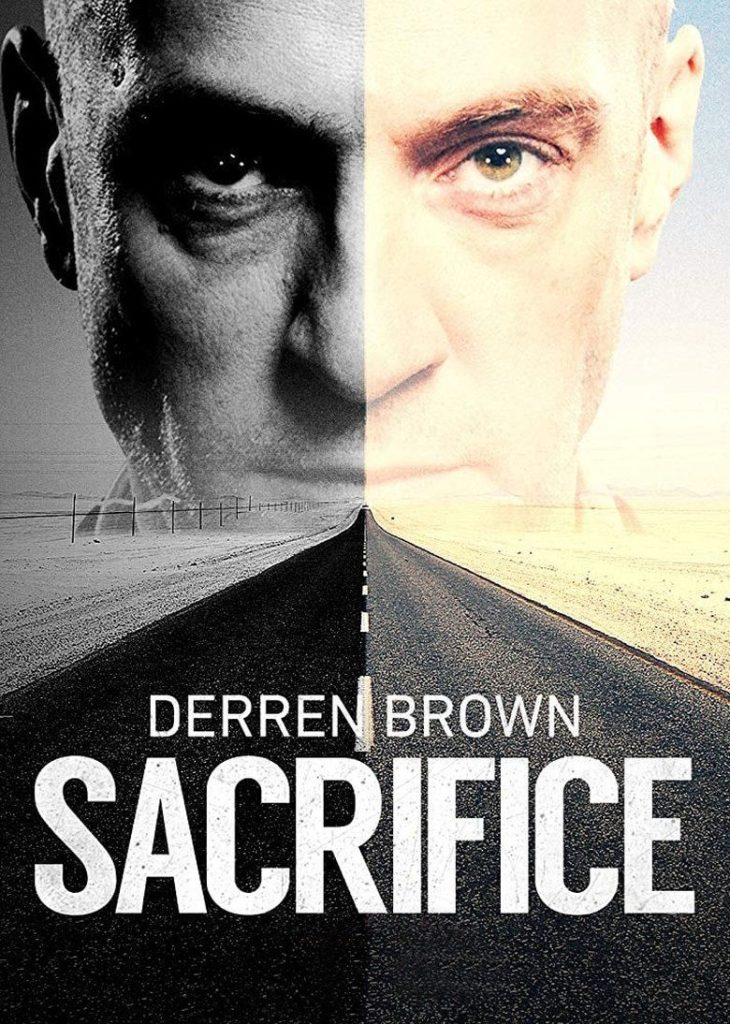
Derren Brown: Sacrifice is a 2018 documentary special featuring psychological illusionist Derren Brown. In this installment, Brown explores themes of fear, sacrifice, and human psychology through staged social experiments and illusions. The program follows an ordinary person who is manipulated into a high-stakes situation to test their willingness to sacrifice for others. It blends documentary-style storytelling with psychological manipulation and mystery elements typical of Brown's work.
Parent Guide
A psychological documentary special involving staged experiments and manipulation that may be intense for younger viewers.
Content breakdown
Contains staged peril situations and psychological tension, but no physical violence.
Psychological manipulation, deception, and high-pressure situations that could be disturbing.
No notable strong language based on TV-14 rating.
No sexual content or nudity.
No substance use depicted.
High psychological tension and emotional manipulation throughout.
Parent tips
This TV-14 rated documentary special involves psychological manipulation and staged high-pressure situations that may be intense for younger viewers. The content revolves around deception, fear responses, and ethical dilemmas presented through illusions. Parents should be aware that while there's no graphic violence, the psychological tension and manipulation techniques could be disturbing or confusing for children.
Consider watching together with older children to discuss the ethical implications of the experiments shown. The program raises questions about consent, manipulation, and human behavior under pressure that could spark meaningful family conversations about psychology and morality.
Parent chat guide
For older viewers, you could explore the philosophical questions about sacrifice, fear, and human nature that the program raises. Discuss how reality television and documentary specials sometimes blur lines between entertainment and psychological experimentation.
Parent follow-up questions
- What was your favorite part of the show?
- How did the people in the show feel?
- What do you think magic is?
- Was there anything that surprised you?
- What would you do if you were in the show?
- What do you think was real and what was pretend in the show?
- How do you think the person in the experiment felt?
- What does 'sacrifice' mean to you?
- Why do you think people make TV shows like this?
- What did you learn about how people think?
- What ethical questions does this show raise about psychological experiments?
- How does the show use psychology to create suspense?
- Do you think the methods used in the show were fair to the participants?
- What did you think about the way fear was portrayed?
- How does this compare to other reality or documentary shows you've seen?
- What are the ethical implications of psychological manipulation for entertainment?
- How does this program comment on human nature and sacrifice?
- What techniques did the show use to build tension and manipulate viewer emotions?
- How does this relate to broader questions about consent in media and psychology?
- What did you think about the balance between documentary truth and entertainment value?
🎭 Story Kernel
At its core, 'Derren Brown: Sacrifice' explores whether altruism can be engineered through psychological manipulation. The film isn't about magic tricks but about reprogramming human instinct—specifically, whether one can be conditioned to risk their life for a stranger. Derren Brown's experiment with participant Phil questions if empathy can be manufactured through carefully constructed experiences that bypass rational thought. The driving force isn't plot but psychological transformation, examining how fear, memory, and suggestion can override self-preservation. It's less a documentary and more a philosophical inquiry into what makes us human when our protective instincts are systematically dismantled.
🎬 Visual Aesthetics
The visual language masterfully blends documentary realism with psychological thriller aesthetics. Cinematographer Peter Simonite uses handheld cameras for intimate vulnerability during Phil's emotional moments, contrasting with sweeping drone shots that emphasize his isolation. The color palette shifts from warm, safe tones during setup to cold, clinical blues during the final experiment. Symbolism appears through recurring visual motifs—the bulletproof glass barrier representing psychological walls, and the Mexican border fence becoming a literal manifestation of 'us versus them' mentality. The action style avoids sensationalism, using restrained editing that makes the psychological manipulation feel disturbingly plausible.
🔍 Details & Easter Eggs
💡 Behind the Scenes
The production faced ethical review boards for months before approval. Participant Phil was selected from 2,000 applicants through psychological profiling. The border crossing scene was filmed in Tijuana with real migrants as extras (compensated and consenting). Derren Brown worked with neuroscientist Dr. Julia Shaw to design the conditioning sequences. The bullet catch illusion at the end used a real .22 caliber rifle with wax bullets—the closest Brown has come to actual danger in his career. Netflix originally wanted more traditional 'magic special' formatting but allowed Brown's documentary approach after seeing early footage.
Where to watch
Choose region:
- Netflix
- Netflix Standard with Ads
Trailer
Trailer playback is unavailable in your region.