
Dial M for Murder (1954)
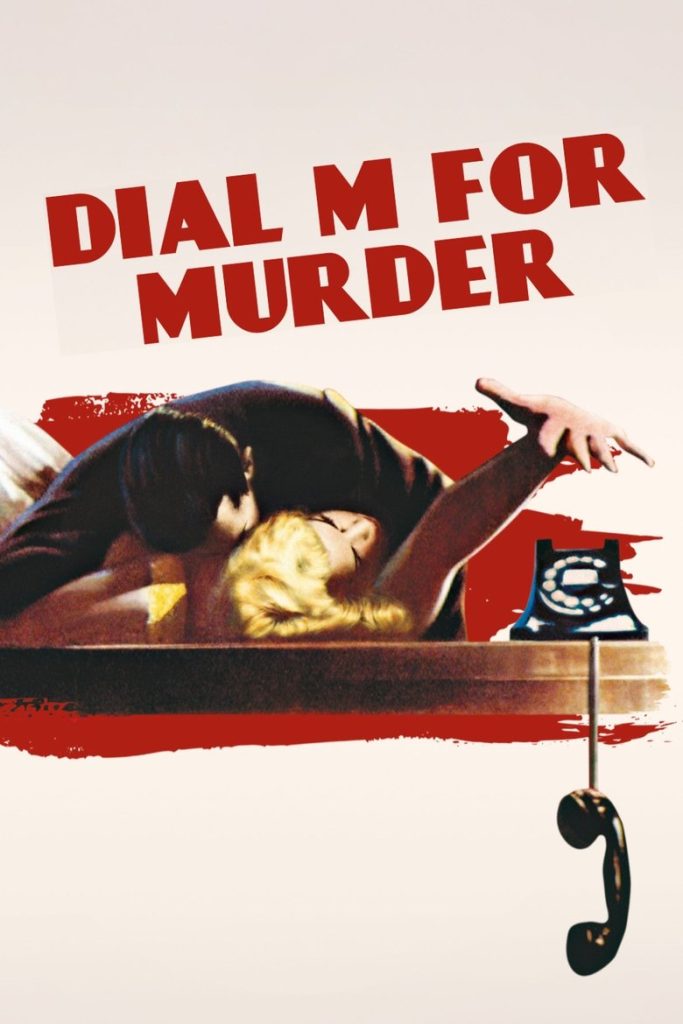
Story overview
This classic thriller follows a wealthy woman whose jealous husband plots to murder her for her inheritance. When her American lover visits London, the husband carefully orchestrates a scheme to carry out the crime. The film focuses on the psychological tension and clever plotting rather than graphic violence, creating suspense through dialogue and strategic planning.
Parent Guide
A classic psychological thriller with themes of murder and betrayal, suitable for mature children who can handle suspense without graphic content.
Content breakdown
Brief struggle scene, implied violence, and psychological peril throughout. No graphic or prolonged violent sequences.
Psychological tension, criminal plotting, and themes of betrayal create sustained suspense. The premeditated nature of the crime may be disturbing.
No offensive language noted. Period-appropriate dialogue without modern profanity.
No sexual content or nudity. References to marital relationships and infidelity are handled discreetly.
Social drinking in scenes, typical of the period setting. No excessive or glorified substance use.
High psychological tension, themes of betrayal and murder, and sustained suspense create emotional intensity throughout.
Parent tips
This film contains themes of murder, betrayal, and criminal plotting that may be intense for younger viewers. While there's minimal on-screen violence, the psychological manipulation and premeditated nature of the crime create significant tension. The PG rating reflects its suitability for older children who can handle suspenseful situations without graphic content.
Parents should note that the central plot involves a husband planning to kill his wife, which could be disturbing for sensitive viewers. The film's suspense builds through dialogue and strategic planning rather than action sequences. Consider your child's comfort with psychological thrillers and discussions about crime and morality.
The film's vintage style and dialogue-driven plot may require more patience from modern young viewers. The black-and-white cinematography and slower pacing compared to contemporary thrillers could affect engagement levels. The themes of trust, deception, and justice provide opportunities for meaningful family discussions.
Parent chat guide
During viewing, pause occasionally to check if the suspense is becoming too intense. Point out how the film builds tension through conversations and planning rather than violence. Discuss the characters' motivations and moral choices as they unfold.
After watching, explore themes of trust, deception, and justice. Discuss how the film handles serious topics without graphic content. Ask about the difference between psychological tension and physical danger in storytelling. Consider comparing this classic thriller to modern films in the genre.
Parent follow-up questions
- What did you notice about how the people talked to each other?
- How did the music make you feel during the movie?
- What colors did you see in the movie?
- Was anyone being a good friend in the story?
- What was your favorite part of watching the movie?
- How did the characters show they were worried or scared?
- What made the story exciting or suspenseful?
- Why do you think someone might plan something wrong?
- How did the people try to solve their problems?
- What did you learn about how stories can make us feel tense?
- How does the film build suspense without showing violence?
- What motivates the characters to make their choices?
- How does the film explore themes of trust and deception?
- What techniques does the director use to create tension?
- How does this classic thriller compare to modern suspense films?
- How does the film handle moral ambiguity in its characters?
- What commentary does the film make about marriage and relationships?
- How effective is the dialogue-driven approach to building suspense?
- What cinematic techniques establish this as a classic thriller?
- How does the film explore the psychology of crime and planning?
🎭 Story Kernel
At its core, 'Dial M for Murder' is less about the perfect crime than about the psychology of control and the fragility of human plans. Tony Wendice, a former tennis pro, orchestrates his wife's murder not out of passion, but from a cold, calculated desire to maintain financial security and punish her infidelity. His meticulous planning reveals a mind that treats life as a game to be won, yet the film's tension arises from how mundane reality—a misplaced key, a failed strangulation—disrupts his chess-like strategy. Margot's survival and subsequent trial expose how justice systems can be manipulated by surface evidence, while Inspector Hubbard represents reason slowly piecing together truth from deception.
🎬 Visual Aesthetics
Hitchcock confines most of the action to a single London flat, using the limited space to create claustrophobic tension. The camera often adopts a voyeuristic perspective, lingering on objects—the telephone, the key, the scissors—that become narrative pivots. Color is restrained but purposeful; Margot's red dressing gown during the attack creates a stark visual shock. The murder attempt is filmed with brutal intimacy—no glamorous angles, just desperate struggle. Hitchcock uses overhead shots during Tony's explanations to emphasize his god-like control over the scheme, while tighter frames during Margot's trial scenes highlight her isolation and vulnerability.
🔍 Details & Easter Eggs
💡 Behind the Scenes
Originally filmed in 3D, which explains some dramatic forward movements (like the scissors thrust toward the audience), though most releases are flat. Grace Kelly wore her own jewelry and clothing, including the iconic red dressing gown. The play adaptation ran successfully in London, but Hitchcock changed the ending—the original had Tony getting away with it. Ray Milland prepared by studying chess strategies to embody Tony's calculated mindset. The entire film was shot in just 36 days, with Hitchcock famously storyboarding every shot in advance.
Where to watch
Choose region:
- IndieFlix Shorts Amazon Channel
- Amazon Video
- Apple TV
- Google Play Movies
- YouTube
- Fandango At Home
- Spectrum On Demand
- Xumo Play
- Kanopy
- Hoopla
- FlixHouse
- Plex
- Plex Channel
- Fawesome
Trailer
Trailer playback is unavailable in your region.