
Dick Johnson Is Dead (2020)
Story overview
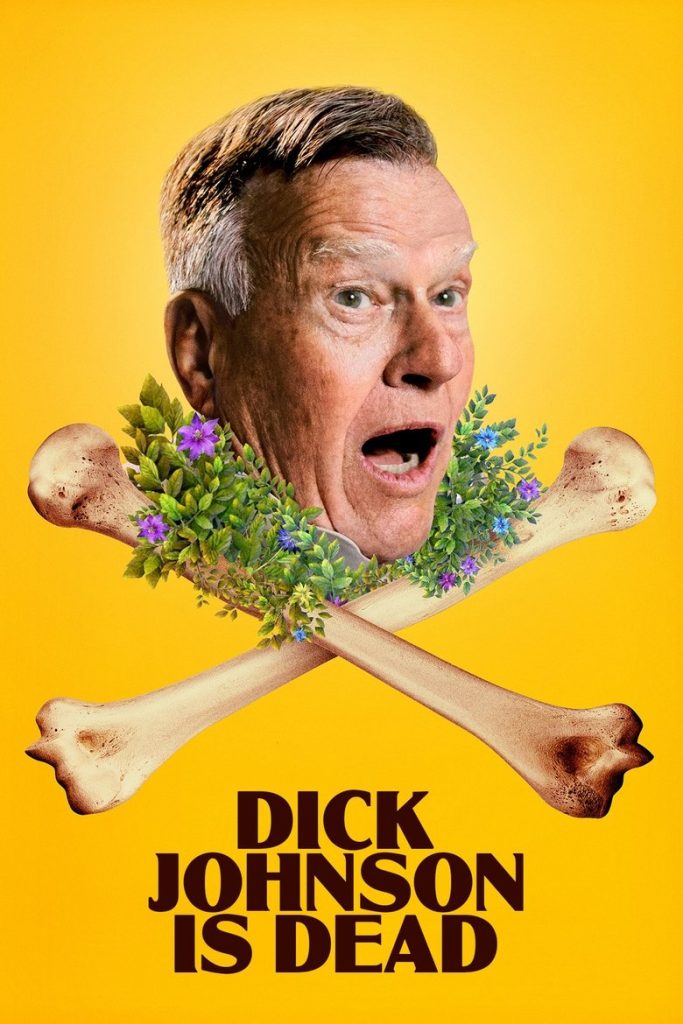
This documentary follows director Kirsten Johnson as she creatively explores mortality with her 86-year-old father, Dick Johnson. Using staged death scenarios, dark humor, and filmmaking techniques, they confront aging and loss while celebrating their relationship. The film blends reality with imaginative sequences to process the emotional weight of impending death.
Parent Guide
A thoughtful documentary that uses creative filmmaking to explore aging, mortality, and family relationships. While not graphically violent or explicit, its mature themes and emotional depth make it most suitable for teens and adults.
Content breakdown
Staged death scenarios including simulated accidents (falls, being hit by objects) that are clearly fictionalized for the film. No real violence or gore.
Themes of death, aging, and losing a parent may be emotionally challenging. Staged death scenes, while humorous in context, could be confusing or unsettling to some viewers. Discussions of dementia and end-of-life issues.
No notable profanity or offensive language.
No sexual content or nudity.
No depiction of substance use.
Strong emotional content around family bonds, aging, and mortality. Moments of both heartfelt connection and dark humor. May provoke tears or deep reflection about family relationships.
Parent tips
This documentary deals directly with death and aging through a mix of heartfelt moments and staged dark humor. While rated PG-13, it may be emotionally complex for younger viewers. The film includes simulated death scenes (falls, accidents) that are clearly staged but could be confusing or unsettling. The central theme of losing a parent makes it particularly relevant for families discussing mortality. Best viewed with parental guidance for discussions about life, death, and family bonds.
Parent chat guide
Parent follow-up questions
—
- What did you think about the pretend accidents in the movie?
- How did the movie make you feel about getting older?
- Why do you think the director used humor to talk about her father's aging?
- How realistic did the staged death scenes seem to you?
- What did you learn about how families deal with difficult topics?
- How effective was the film's blend of documentary and staged scenes in exploring mortality?
- What does this film suggest about the relationship between art and processing grief?
- How does this approach to death compare to how it's typically portrayed in media?
🎭 Story Kernel
At its core, 'Dick Johnson Is Dead' is less about confronting mortality than about rehearsing for it. Kirsten Johnson doesn't document her father's decline into dementia; she collaborates with him to stage it. The film's true subject is the creative act of caregiving—how we use imagination and humor to process the unimaginable. Dick's cheerful participation in his own fictional demises becomes a radical form of agency, transforming him from a passive patient into the co-author of his narrative. The driving force isn't fear of death, but the desperate, beautiful need to control the story before the story controls you.
🎬 Visual Aesthetics
The film's visual language masterfully blurs documentary realism with theatrical artifice. Cinematographer Kirsten Johnson shoots domestic scenes with intimate, handheld closeness, then cuts to elaborately staged death sequences with the slick, slow-motion polish of a Hollywood gag reel. The color palette shifts accordingly: warm, natural tones for real-life moments versus the bright, almost garish lighting of the heavenly sequences. This constant visual juxtaposition creates the film's central tension—we're never sure if we're watching life or a rehearsal for its end, which is precisely the point.
🔍 Details & Easter Eggs
💡 Behind the Scenes
Kirsten Johnson is primarily known as a cinematographer ('Citizenfour,' 'Fahrenheit 9/11'), making this her directorial debut. The film was shot over several years as Dick's dementia progressed, requiring flexible scheduling. Many heavenly party guests were actually crew members and family friends. The most elaborate death sequence—the air conditioner fall—required precise stunt coordination and was one of the first scenes shot, establishing the film's unique tone of playful morbidity.
Where to watch
Choose region:
- Netflix
- Netflix Standard with Ads
Trailer
Trailer playback is unavailable in your region.