
Diego Maradona (2019)
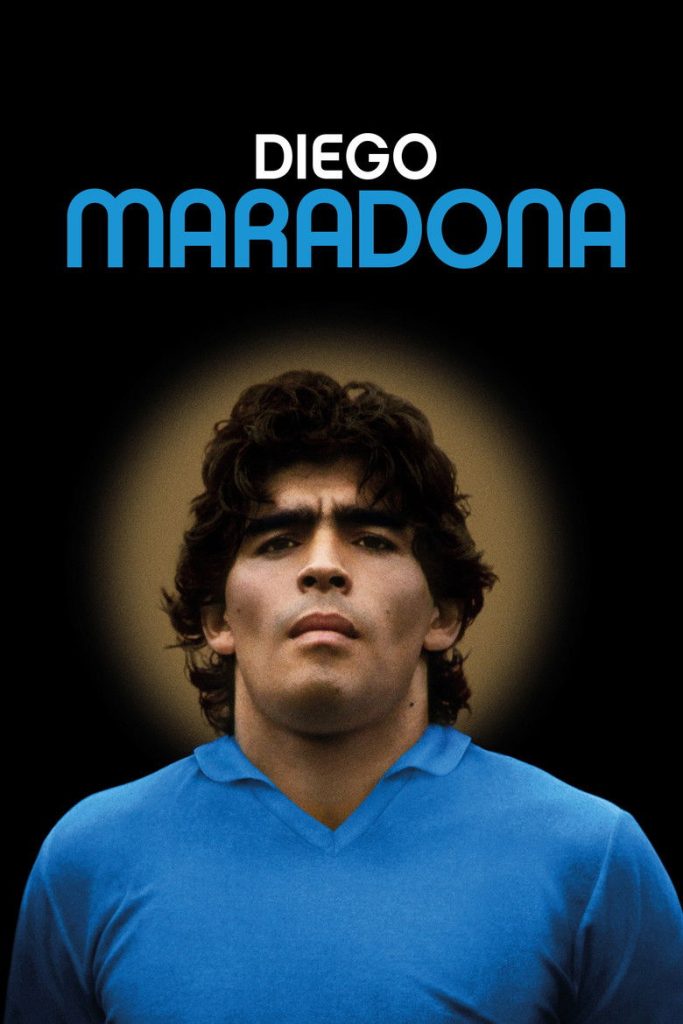
Story overview
This 2019 documentary by Asif Kapadia explores the complex life and career of legendary footballer Diego Maradona, using over 500 hours of previously unseen footage. It focuses on his time playing for SSC Napoli and Argentina in the 1980s, examining both his extraordinary athletic achievements and the controversies surrounding his personal life.
Parent Guide
A thoughtful documentary suitable for mature tweens and teens that examines the complex legacy of a sports icon, with discussions of adult themes handled in a documentary context.
Content breakdown
Contains archival footage of rough soccer tackles and occasional crowd violence. Shows real-life consequences of dangerous behavior but no graphic violence.
Some disturbing themes including drug addiction, health decline, and personal turmoil. Shows the psychological pressure of fame and its consequences.
Occasional mild profanity in subtitles. Some strong language in original Spanish audio that's translated in subtitles.
References to infidelity and relationships. No explicit sexual content or nudity shown.
Significant discussion and depiction of cocaine use and addiction. Shows the negative consequences of substance abuse on Maradona's career and health.
Emotionally complex examination of a flawed hero. Shows the highs of athletic triumph and lows of personal struggles. May be intense for sensitive viewers.
Parent tips
This documentary deals with mature themes including drug use, infidelity, and the pressures of fame. While there's no graphic violence, it shows real-life consequences of poor choices. The 130-minute runtime and subtitles may challenge younger viewers. Best for mature tweens and teens who can understand complex real-world issues.
Parent chat guide
Parent follow-up questions
—
- What makes someone a good athlete?
- Why do people like watching sports?
- Why do you think Maradona made some of the choices he did?
- How does fame change people's lives?
- What responsibilities do famous athletes have?
- How does the documentary balance Maradona's achievements with his personal failings?
- What role did media and public pressure play in his life?
- How does this documentary compare to how sports figures are portrayed today?
- What ethical questions does his story raise about sports and celebrity?
🎭 Story Kernel
The film's core theme is the Faustian bargain of fame. It's not a simple rise-and-fall sports story, but a meticulous autopsy of how identity is consumed by public myth. Maradona isn't driven by a love for football, but by a desperate, almost primal need for adoration and belonging—first to escape the slums of Villa Fiorito, and later to become the 'Pibe de Oro' (Golden Boy) of Naples. The documentary masterfully shows how the city of Naples, itself marginalized by Italy's north, projects its own identity onto him, turning him into a political and cultural symbol. His subsequent downfall is framed not as a personal failure, but as the inevitable collapse of a man crushed by the impossible weight of being two things at once: a flawed human and a living god. The real tragedy is his inability to escape the narrative he helped create.
🎬 Visual Aesthetics
Director Asif Kapadia's signature style of using 100% archival footage creates a visceral, you-are-there intensity. The camera language is overwhelmingly intimate and invasive, placing us in the sweaty, chaotic epicenter of Maradona's world—from the locker room to the frenzied Neapolitan streets. The color palette subtly shifts: the early footage in Argentina and Barcelona has a warmer, almost nostalgic grain, while the Naples years are bathed in the stark, contrasting blues of Napoli's kit and the shadowy interiors of his increasingly isolated life. The most powerful visual motif is the use of slow-motion replays of his legendary goals, not to glorify, but to dissect the moment of transcendence, immediately juxtaposed with the brutal aftermath of fame. The camera often lingers on Maradona's face in unguarded moments, capturing a profound loneliness that the roaring stadiums cannot mask.
🔍 Details & Easter Eggs
💡 Behind the Scenes
The production team sifted through over 500 hours of never-before-seen archival footage, much of it from Maradona's personal collection and Italian TV archives. A key find was the exclusive interview footage from journalist Marcelo Gleyzer, who followed a young Maradona in 1980. The film's powerful score was composed by Antonio Pinto, who used a mix of Italian pop songs from the era and original, tension-building minimalist pieces. Notably, Kapadia and his editor, Chris King, constructed the entire narrative without any sit-down interviews with present-day subjects, relying solely on the archival audio and video to tell the story, which required immense narrative sculpting from the raw material.
Where to watch
Choose region:
- HBO Max
- HBO Max Amazon Channel
Trailer
Trailer playback is unavailable in your region.