
Dilwale Dulhania Le Jayenge (1995)
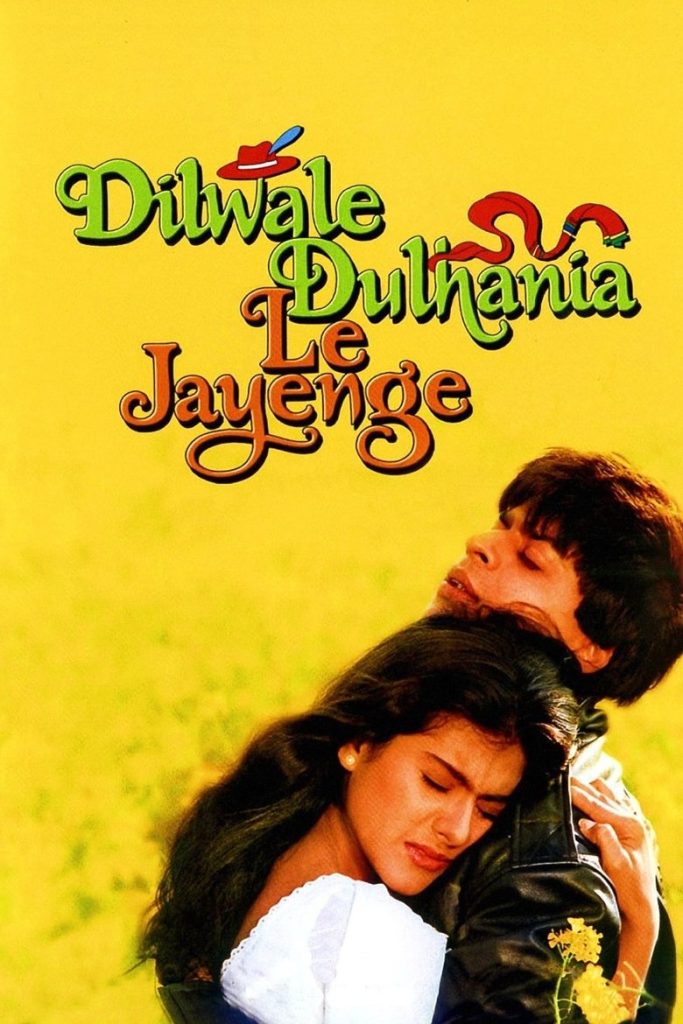
Story overview
Dilwale Dulhania Le Jayenge is a classic Bollywood romantic drama that follows two young Indians living in London who meet during a European vacation. Their initial antagonism gradually blossoms into love, but they face significant cultural and familial obstacles when they return home. The film explores themes of tradition versus modernity, family expectations, and the power of love to overcome barriers.
Parent Guide
A classic Bollywood romance with positive messages about love, family, and cultural identity. Suitable for most families with children ages 8+.
Content breakdown
Some mild confrontations and arguments between characters. No physical violence.
No frightening or disturbing content.
No offensive language.
Some romantic scenes with kissing and embracing. No nudity or explicit content.
No depiction of substance use.
Emotional family conflicts and romantic tension. Some scenes may be emotionally charged for sensitive viewers.
Parent tips
This film is appropriate for most families with children ages 8 and up. The romantic storyline is sweet and chaste, focusing more on emotional connection than physical intimacy. Parents should be aware that the film deals with themes of arranged marriage and family conflict, which may require explanation for younger viewers unfamiliar with these cultural concepts. The film's length (over 3 hours) may be challenging for younger children's attention spans.
Parent chat guide
Parent follow-up questions
- What was your favorite song in the movie?
- How did the characters show they cared about each other?
- What made you laugh during the movie?
- Why do you think the families had different ideas about marriage?
- How did the main characters change from the beginning to the end?
- What would you do if your family wanted something different than what you wanted?
- What cultural differences did you notice between the families in the film?
- How did the characters balance tradition with their personal feelings?
- What does the film suggest about communication in relationships?
- How does the film portray the tension between individual choice and family obligation?
- What commentary does the film make about cultural identity for diaspora communities?
- How does the film's portrayal of romance compare to modern relationships you see in media?
🎭 Story Kernel
At its core, DDLJ isn't just a love story but a negotiation between individual desire and familial duty. Raj and Simran's romance blossoms precisely because it respects tradition while gently subverting it. The driving force isn't youthful rebellion but the characters' struggle to reconcile their Westernized identities with Indian values. Simran's father, Baldev Singh, represents the immigrant's fear of cultural erosion, making his eventual acceptance not a defeat but a validation that love can exist within honor. The film argues that true modernity isn't rejecting tradition but evolving it through empathy.
🎬 Visual Aesthetics
The cinematography creates a visual dichotomy: Europe is captured with sweeping, romantic shots and vibrant colors, representing freedom and possibility, while Punjab is framed with warmer, earthier tones and more static compositions, symbolizing rootedness and tradition. Key romantic moments often use close-ups with soft focus, isolating the lovers from their surroundings. The train motif isn't just transportation but a visual metaphor for life's journey and connection—notice how crucial conversations and emotional turning points frequently occur near railways.
🔍 Details & Easter Eggs
💡 Behind the Scenes
The film's iconic train sequences were shot on the actual moving Simplon-Orient Express between Switzerland and Austria. Shah Rukh Khan was not the first choice for Raj—Salman Khan was initially considered. The movie's title was almost changed to 'Dilwale' alone. Remarkably, DDLJ has been running continuously at Mumbai's Maratha Mandir cinema since 1995, making it the longest-running film in theatrical history. The famous 'Palat' scene was almost cut because test audiences found it too slow.
Where to watch
Choose region:
- Netflix
- Netflix Standard with Ads
- Apple TV
- Google Play Movies
- YouTube
Trailer
Trailer playback is unavailable in your region.