
Disclosure (2020)
Story overview
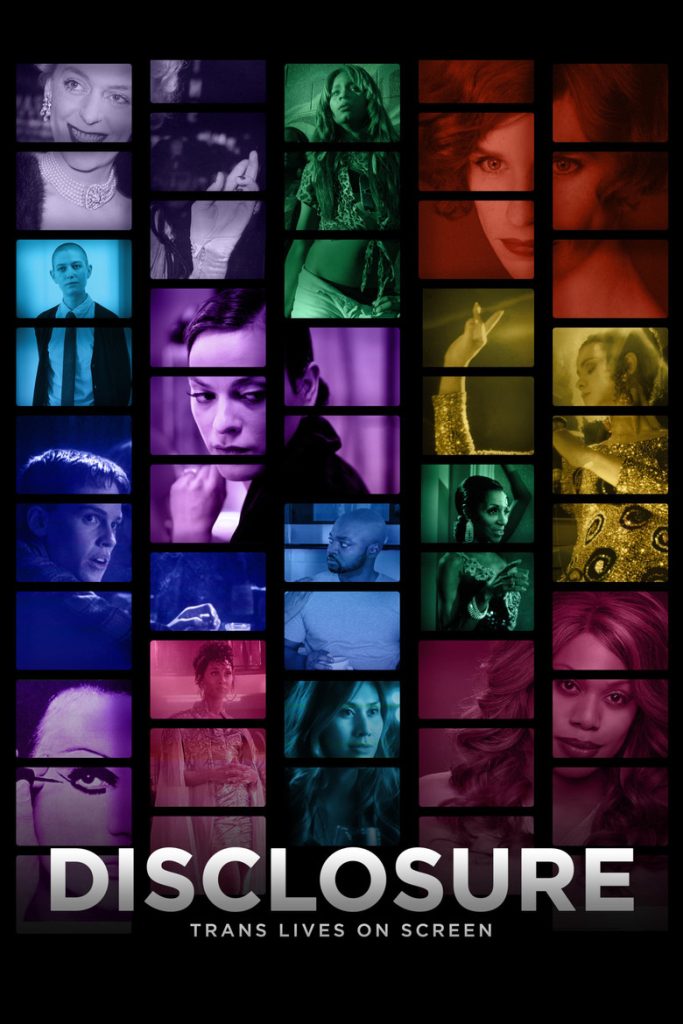
Disclosure is a 2020 documentary that examines how Hollywood's portrayal of transgender people has shaped public perceptions and self-identity within the transgender community. Through interviews with transgender actors, activists, and scholars, it critically analyzes historical and contemporary media representations, highlighting both harmful stereotypes and positive progress.
Parent Guide
Disclosure is an educational documentary with mature themes suitable for teens and adults. It provides valuable insights into media representation and transgender issues but requires parental guidance due to discussions of sensitive topics.
Content breakdown
Discussions of historical violence, discrimination, and hate crimes against transgender people are included, but no graphic visuals are shown.
Topics include suicide, mental health struggles, and societal rejection, which may be emotionally challenging for younger viewers.
Occasional strong language (e.g., profanity) is used in clips or discussions, reflecting real-world contexts.
References to sexuality and gender identity are made, but no explicit sexual content or nudity is shown.
No depiction or discussion of substance use.
The film can evoke strong emotions due to personal stories of discrimination and resilience; it encourages empathy and reflection.
Parent tips
This documentary addresses mature themes related to discrimination, identity, and media influence. It's best suited for older children and teens who can engage with complex social issues. Parents should be prepared to discuss transgender experiences, historical context, and media literacy. The film includes discussions of violence, suicide, and explicit language, so previewing or watching together is recommended.
Parent chat guide
Parent follow-up questions
—
- What does it mean to be transgender?
- Have you seen someone like that in a movie or show?
- How can we be kind to everyone?
- Why do you think media representation matters?
- What stereotypes did the film talk about?
- How can we support transgender people in our community?
- How has Hollywood's portrayal of transgender people changed over time?
- What impact do you think media has on transgender youth?
- What can we do to promote more accurate and inclusive media?
🎭 Story Kernel
At its core, 'Disclosure' is less about sexual harassment and more about power dynamics in corporate America. The film explores how institutional structures protect predators while weaponizing HR processes against victims. Tom Sanders isn't just fighting Meredith Johnson; he's battling an entire system designed to preserve power hierarchies. The driving force isn't justice, but survival in a world where perception trumps truth. The characters are motivated by career preservation, ego, and the desperate need to maintain professional facades while their personal lives crumble.
🎬 Visual Aesthetics
The film employs sterile, cold corporate aesthetics with a blue-gray color palette that mirrors the emotional detachment of the workplace. Camera work emphasizes claustrophobia through tight shots in boardrooms and elevators, contrasting with expansive shots of the DigiCom headquarters to highlight corporate power. The virtual reality sequences use warmer tones, creating visual metaphors for escape and fantasy. The editing creates tension through rapid cuts during confrontations, while lingering shots during intimate moments highlight vulnerability.
🔍 Details & Easter Eggs
💡 Behind the Scenes
Michael Douglas and Demi Moore reportedly clashed during filming over their characters' power dynamics, with Moore insisting on equal footing in their scenes. The virtual reality sequences were groundbreaking for 1994, using early CGI that required extensive collaboration with Silicon Graphics. The office sets were modeled after actual tech companies of the era, with consultants from Silicon Valley ensuring accuracy. Director Barry Levinson shot multiple endings, testing different resolutions to the harassment case before settling on the theatrical version.
Where to watch
Choose region:
- Netflix
- Netflix Standard with Ads
Trailer
Trailer playback is unavailable in your region.