
Django Unchained (2012)
Story overview
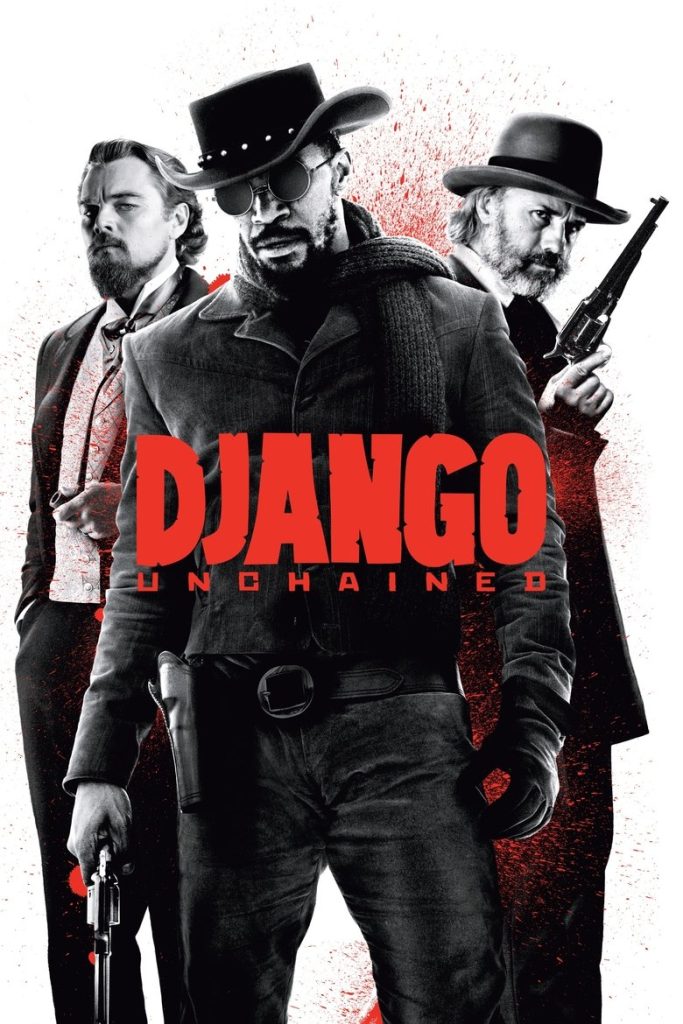
Django Unchained is a 2012 Western drama directed by Quentin Tarantino. The film follows a freed slave who partners with a German bounty hunter on a mission to rescue his wife from a cruel plantation owner. Set in the pre-Civil War American South, it explores themes of slavery, revenge, and justice through intense and stylized storytelling.
Parent Guide
A graphically violent and intense film about slavery and revenge, suitable only for mature older teens with parental guidance.
Content breakdown
Frequent, bloody violence including shootings, whippings, beatings, and brutal fights. Some scenes show graphic injuries and deaths.
Disturbing depictions of slavery, including dehumanizing treatment, torture, and racial violence. Intense emotional scenes of suffering and cruelty.
Pervasive strong language including racial slurs, profanity, and crude dialogue throughout the film.
Some sexual references and brief nudity. Scenes include sexual situations and partial nudity in context.
Characters drink alcohol frequently, including in social settings. Some smoking shown.
High emotional intensity throughout, dealing with themes of oppression, revenge, and traumatic experiences. Characters face extreme situations.
Parent tips
This film is rated R for strong graphic violence, pervasive language, some sexual content, and brief nudity. Parents should be aware that it contains brutal depictions of slavery, including whippings, beatings, and dehumanizing treatment. The violence is frequent, bloody, and often presented in a stylized, theatrical manner that may be disturbing to sensitive viewers. The film also includes strong racial slurs and profanity throughout.
Parent chat guide
Parent follow-up questions
- Did you see any people being unkind in the movie?
- How did the characters help each other?
- What colors or clothes did you notice?
- Was there any music you liked?
- How did the movie make you feel?
- Why do you think the characters were treated unfairly?
- What does it mean to be brave in the story?
- How did the friends work together?
- What parts made you feel sad or worried?
- What would you do if you saw someone being treated badly?
- How does the film show the injustice of slavery?
- Why do you think the director used so much violence in telling this story?
- What does freedom mean to the main character?
- How do the characters show loyalty and betrayal?
- What historical lessons can we learn from this film?
- How does the film use stylized violence to make a point about historical brutality?
- What commentary does the film offer about systemic racism and oppression?
- How do the characters navigate morality in an immoral system?
- What is the significance of the film's blend of historical drama and Western genres?
- How does the film handle themes of revenge versus justice?
🎭 Story Kernel
At its core, 'Django Unchained' is about the psychological reclamation of identity through violent agency. Django isn't just seeking his wife—he's systematically dismantling the entire system that defined him as property. Dr. King Schultz provides the tools, but Django's transformation into a confident, stylish bounty hunter represents the film's central thesis: true freedom requires not just liberation from chains, but the power to define oneself through action. The journey from passive slave to active agent mirrors the film's meta-commentary on who gets to control narratives of justice and revenge in American history.
🎬 Visual Aesthetics
Tarantino employs a hyper-stylized visual language that blends spaghetti western aesthetics with Southern Gothic horror. The camera lingers on brutal violence with almost clinical detachment during plantation scenes, then becomes fluid and dynamic during Django's bounty hunting sequences. The color palette shifts dramatically—from the warm, golden tones of Django's freedom to the cold, oppressive blues of Candyland. Blood isn't just red; it's a painterly explosion that contrasts with pristine white cotton fields, creating visual metaphors about the cost of America's foundation.
🔍 Details & Easter Eggs
💡 Behind the Scenes
Leonardo DiCaprio actually cut his hand during the dinner table scene when slamming it on the table, but stayed in character, and Tarantino kept the take. The blood on Kerry Washington's face is real from DiCaprio's injury. Samuel L. Jackson based Stephen's walk on his grandfather's movements. The film was shot on actual Southern plantations, including the Evergreen Plantation in Louisiana, adding uncomfortable historical authenticity to the locations.
Where to watch
Choose region:
- Paramount Plus Essential
- Google Play Movies
- YouTube
- Spectrum On Demand
- Plex
- Amazon Video
- Fandango At Home
Trailer
Trailer playback is unavailable in your region.