
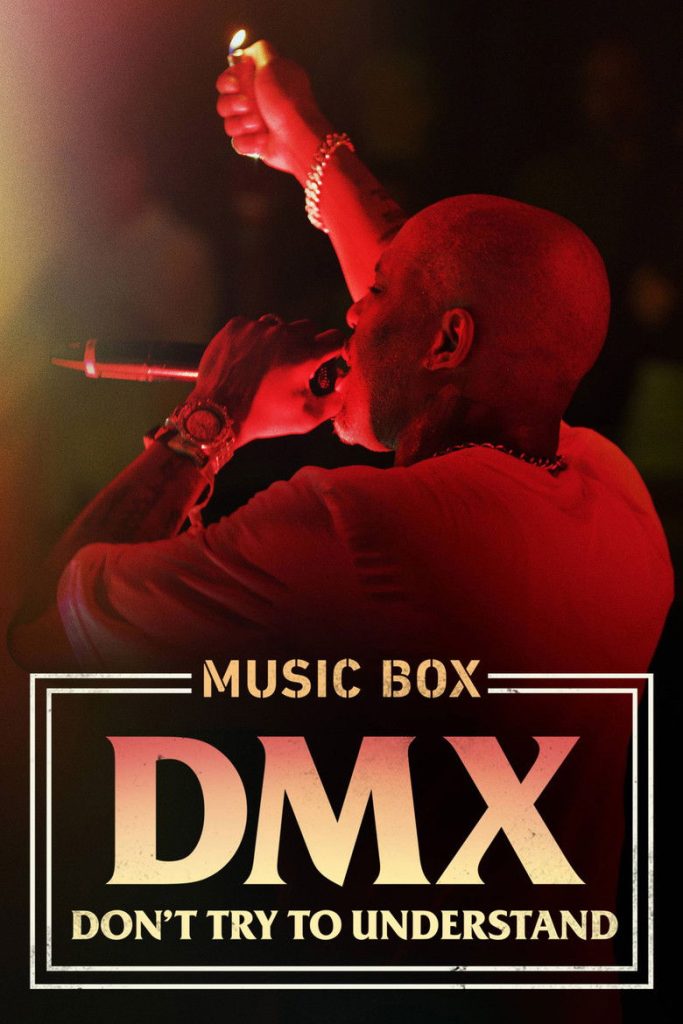
DMX: Don’t Try to Understand (2021)
Story overview
This documentary follows rapper DMX during a pivotal year after his 2019 prison release, capturing his efforts to revive his music career and reconnect with loved ones and fans. It provides an intimate look at his personal struggles, creative process, and the challenges of reintegration, offering insight into his life beyond the public persona.
Parent Guide
A documentary exploring DMX's post-prison journey with mature themes of addiction, incarceration, and personal redemption. While not visually graphic, the emotional content and discussions of substance use require parental guidance for younger viewers.
Content breakdown
No physical violence shown. References to past violent incidents and the peril of incarceration are discussed but not depicted.
Emotionally intense discussions of addiction, incarceration, and personal struggles. Some scenes show DMX in emotional distress which could be disturbing to sensitive viewers.
Some strong language typical of documentary interviews and music industry contexts. Occasional profanity but not excessive.
No sexual content or nudity present in the documentary.
Discussion of past drug addiction and substance abuse. References to recovery and relapse. No glorification of substance use.
High emotional content throughout as DMX navigates personal challenges, family relationships, and career rebuilding. Moments of vulnerability and emotional distress are central to the documentary.
Parent tips
This documentary deals with mature themes including incarceration, addiction, and personal turmoil. While there's no graphic violence or sexual content, the emotional intensity and discussions of substance use make it more suitable for older children and teens. Consider watching together to discuss the real-life consequences of choices and the importance of resilience and family support.
Parent chat guide
Parent follow-up questions
—
- What do you think it would feel like to not see your family for a long time?
- How do you think music helps people express their feelings?
- Why do you think DMX wanted to reconnect with his family after prison?
- What challenges might someone face when trying to start over after making mistakes?
- How can music help people through difficult times?
- What systemic factors might contribute to cycles of incarceration and addiction?
- How does this documentary challenge or reinforce stereotypes about formerly incarcerated individuals?
- What responsibilities do artists have when sharing their personal struggles publicly?
- How can society better support people reentering communities after incarceration?
🎭 Story Kernel
The documentary's core isn't a triumphant comeback narrative, but a stark examination of the exhausting, non-linear grind of recovery. It expresses the brutal reality that healing often looks less like victory and more like daily, painful maintenance. What drives DMX isn't a singular goal, but a volatile cocktail of raw faith, deep-seated trauma, and a desperate, childlike desire for unconditional love that he both craves and feels unworthy of. The film captures the man in the purgatory between his destructive past and an uncertain future, where every small step forward is haunted by the gravitational pull of old demons. It's less about understanding his chaos and more about witnessing the profound human struggle within it.
🎬 Visual Aesthetics
The visual language is intimate and confrontational, favoring tight, unflinching close-ups that feel more like a confession than an interview. The color palette is often muted and naturalistic, grounding the film in a gritty reality, but is punctuated by the stark, high-contrast lighting of his stage performances, visually separating the man from the myth. Handheld camerawork during personal moments creates a visceral, you-are-there urgency, while archival footage is seamlessly woven in not as nostalgia, but as ghostly echoes haunting the present. There's a deliberate lack of polish; the rawness of the imagery mirrors the rawness of the subject's emotional state.
🔍 Details & Easter Eggs
💡 Behind the Scenes
The film was directed by Christopher Frierson, who initially met DMX while filming a separate project and gained unprecedented access over several years, resulting in a deeply personal vérité style. Much of the footage was captured in and around DMX's home in South Carolina, a deliberate choice to film away from the glare of Hollywood. The production was reportedly independent and intimate, with a small crew to maintain trust. Notably, the project was completed posthumously, with the final edit crafted to honor the sprawling, complex narrative of his life that was captured, making it a unique document finished after its subject's passing.
Where to watch
Choose region:
- HBO Max
- HBO Max Amazon Channel
Trailer
Trailer playback is unavailable in your region.