
Doctor Strange in the Multiverse of Madness (2022)
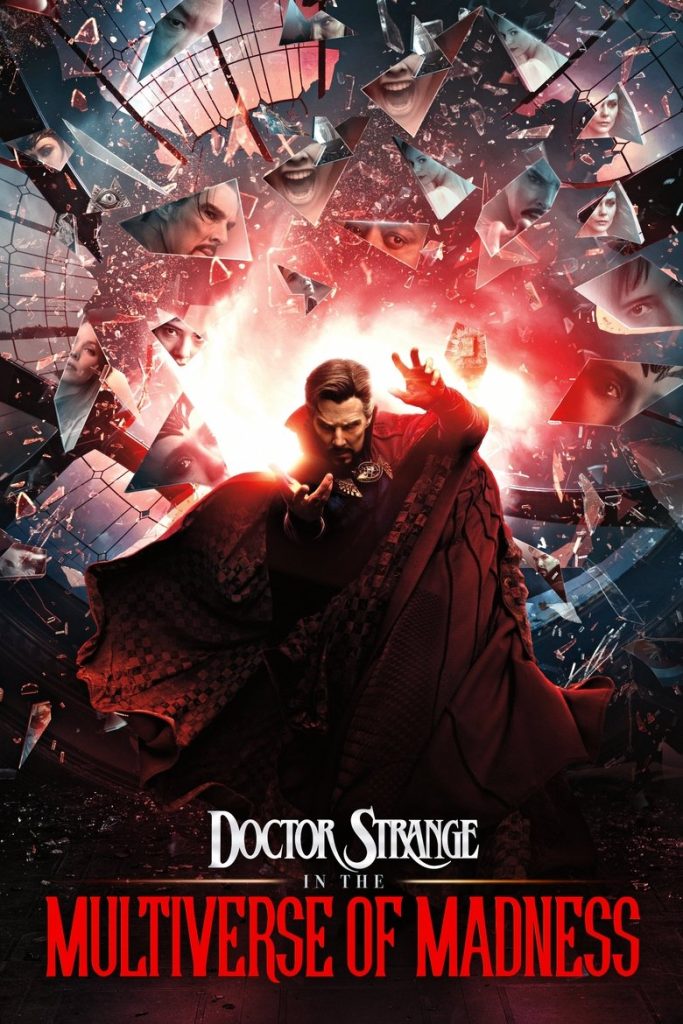
Story overview
Doctor Strange in the Multiverse of Madness follows the sorcerer Stephen Strange as he navigates alternate realities to protect a young girl with multiverse-traveling powers from a dangerous adversary. The film blends superhero action with horror elements, featuring magical battles, reality-bending sequences, and encounters with alternate versions of familiar characters. It explores themes of sacrifice, power, and the consequences of tampering with reality.
Parent Guide
A visually intense superhero film with strong horror elements and complex themes.
Content breakdown
Frequent magical combat with energy blasts, physical confrontations, and perilous situations. Characters face life-threatening dangers across multiple realities.
Contains horror-style sequences, jump scares, creepy imagery, and unsettling transformations. Some scenes feature disturbing visuals and psychological tension.
Occasional mild profanity and exclamations typical of PG-13 action films.
No sexual content or nudity present.
No depiction of substance use.
Characters experience grief, fear, and moral dilemmas. The multiverse concept and high-stakes situations create emotional tension.
Parent tips
This film is rated PG-13 for intense sequences of violence and action, frightening images, and some language. It contains more horror elements than typical Marvel movies, including jump scares, creepy visuals, and darker themes. Parents should be aware that the multiverse concept might be confusing for younger viewers, and the scary moments could be intense for sensitive children.
Parent chat guide
Parent follow-up questions
- What was your favorite magic spell in the movie?
- How did the characters help each other?
- What colors did you see in the different worlds?
- Was there anything that made you feel scared?
- What would you do if you could travel to different worlds?
- Why do you think the characters had to make difficult choices?
- How did the different versions of characters act differently?
- What does it mean to protect someone?
- How did the music and sounds make you feel during scary parts?
- What would you do if you had special powers like the characters?
- How does the movie show that actions have consequences?
- What do you think about the different ways characters used their powers?
- How did the film balance scary moments with heroic action?
- What themes about responsibility did you notice?
- How might the multiverse concept relate to making choices in real life?
- How does the film explore the ethics of using power?
- What commentary does the movie make about reality and perception?
- How do the horror elements serve the story's themes?
- What did you think about the portrayal of alternate selves and identities?
- How does this film fit into larger discussions about fate versus free will?
🎭 Story Kernel
At its core, 'Multiverse of Madness' is a tragedy about the monstrous lengths of maternal love. The plot isn't driven by a villain seeking power, but by a mother, Wanda Maximoff, who has been broken by loss. Her quest to reunite with her children across the multiverse is a direct, horrifying inversion of Stephen Strange's own arc. Where he learns to accept sacrifice and let go for the greater good, she refuses, weaponizing the Darkhold's corruption. The movie posits that the most dangerous force in the multiverse isn't a cosmic entity, but unchecked, all-consuming grief. America Chavez, as the key to traversing realities, represents the hope and resilience Strange and Wanda have both lost.
🎬 Visual Aesthetics
Sam Raimi's horror roots bleed through every frame, transforming the MCU's typically sterile magic into something visceral and frightening. The camera becomes a predatory entity—whip-pans, Dutch angles, and first-person 'Evil Dead'-style shots during Wanda's rampages. Magic is no longer clean energy beams; it's corporeal and grotesque, like the sinewy, red tendrils of the Darkhold's influence or Strange's rotting, third-eye corruption. The color palette is stark: the cold blues and greys of Kamar-Taj and the Illuminati's sterile base contrast violently with the hellish crimson of Wanda's magic and the corrupted Scarlet Witch. Action sequences are less about choreography and more about atmosphere—a symphony of jump scares, body horror, and gothic dread.
🔍 Details & Easter Eggs
💡 Behind the Scenes
Director Sam Raimi and composer Danny Elfman reunited for the first time since 1990's 'Darkman'. Elfman's score incorporates eerie, horror-themed leitmotifs for Wanda, a stark departure from typical superhero themes. The gruesome scene where Wanda 'dreamwalks' into her variant and contorts her body was achieved through Elizabeth Olsen's physical performance and minimal CGI. Bruce Campbell's cameo as the pizza ball vendor, who punches himself, is a classic Raimi-verse horror trope—the possessed body—repurposed for comedy. The film was shot extensively during the COVID-19 pandemic, which influenced the more contained, horror-focused approach over large-scale set pieces.
Where to watch
Choose region:
- Disney Plus
- Amazon Video
- Apple TV
- Google Play Movies
- YouTube
- Fandango At Home
Trailer
Trailer playback is unavailable in your region.