
Double Indemnity (1944)
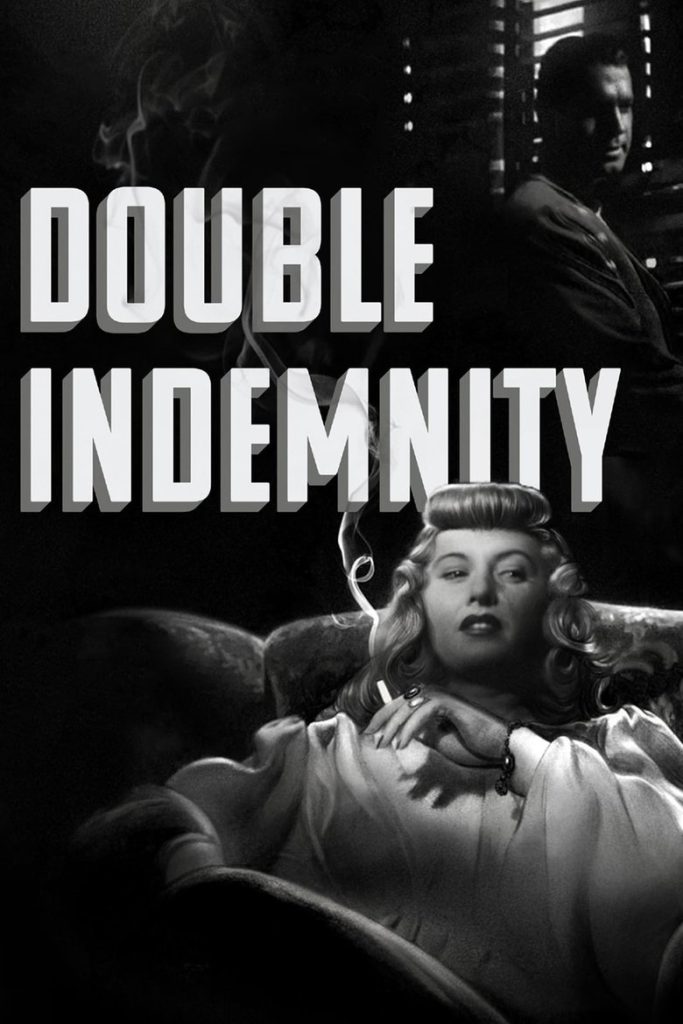
Story overview
Double Indemnity is a classic 1940s crime thriller about an insurance salesman who becomes entangled with a married woman. Together, they devise a scheme involving deception and insurance fraud. The film explores themes of temptation, moral corruption, and the consequences of criminal actions through its tense narrative.
Parent Guide
A classic film noir with mature themes of crime and moral corruption suitable for older teens with parental guidance.
Content breakdown
Contains implied violence and peril related to criminal activity, but no graphic depictions.
Psychological tension and themes of premeditated crime may be disturbing to some viewers.
Period-appropriate dialogue with some suggestive conversation.
Contains themes of adultery and seduction without explicit content.
Social drinking shown in some scenes.
High psychological tension and moral dilemmas create emotional engagement.
Parent tips
This film contains mature themes including adultery, premeditated crime, and moral ambiguity. While violence is not graphic, the plot revolves around planning and committing a serious crime. The emotional intensity comes from the psychological manipulation and tension between characters rather than physical action.
Parents should be aware that the story presents complex adult relationships and ethical dilemmas. The characters engage in deceitful behavior without clear moral redemption, which might require discussion about right and wrong choices.
Parent chat guide
During viewing, pause if children seem confused about the plot's insurance fraud elements. The film's black-and-white cinematography and dated style might need explanation for younger viewers.
After watching, focus conversations on the characters' motivations and the film's moral lessons. Ask what alternatives the characters had to their criminal actions and how different choices might have changed the outcome.
Parent follow-up questions
- What colors did you see in the movie?
- Did you see any cars or houses you liked?
- How did the music make you feel?
- Why do you think the characters made those choices?
- What did you think about how the characters talked to each other?
- How was this movie different from cartoons you watch?
- What makes someone a 'good' or 'bad' character in this story?
- How does the movie show the consequences of lying?
- Why do you think insurance was important to the plot?
- How does the film portray the psychology of criminal behavior?
- What commentary does the movie make about temptation and morality?
- How do the cinematic techniques enhance the tense atmosphere?
🎭 Story Kernel
At its core, 'Double Indemnity' is about the seductive power of self-deception. Walter Neff isn't driven by greed or lust alone, but by the intoxicating belief that he's smart enough to outwit the system he knows intimately. He and Phyllis construct an elaborate fantasy of the perfect crime, but the film reveals this as a shared delusion. Their downfall comes not from external detection, but from the internal corrosion of their own narratives. The real tension isn't whether they'll get caught, but how long they can maintain the fiction that they're anything but doomed. It's a chilling study of how people become authors of their own tragedy, line by calculated line.
🎬 Visual Aesthetics
Billy Wilder and cinematographer John F. Seitz craft a visual language of entrapment. The iconic Venetian-blind lighting creates prison-bar shadows across every scene, visually confining the characters in their own schemes. The Los Angeles settings feel paradoxically claustrophobic—sun-drenched streets become tunnels leading to darker interiors. Notice how Phyllis is often framed in doorways and behind objects, a visual representation of her manipulative barriers. The camera frequently adopts low angles, making ceilings loom overhead, enhancing the feeling of inescapable consequence. This isn't just moody lighting; it's environmental storytelling where every shadow tells part of the confession.
🔍 Details & Easter Eggs
💡 Behind the Scenes
Fred MacMurray was primarily known for light comedies before this role, and studio executives doubted he could play a cynical insurance salesman. Barbara Stanwyck's blonde wig was intentionally cheap-looking at Wilder's insistence, to emphasize Phyllis's artificiality. Raymond Chandler co-wrote the screenplay but clashed frequently with Wilder; their tense collaboration ironically produced some of cinema's sharpest dialogue. The famous supermarket meeting scene was revolutionary for using a real location rather than a set, adding documentary-like authenticity to the conspiracy.
Where to watch
Choose region:
- Amazon Prime Video
- Amazon Prime Video with Ads
- Amazon Video
- Apple TV
- Google Play Movies
- YouTube
- Fandango At Home
- Spectrum On Demand
Trailer
Trailer playback is unavailable in your region.