
Dr. Seuss’s The Sneetches (2025)
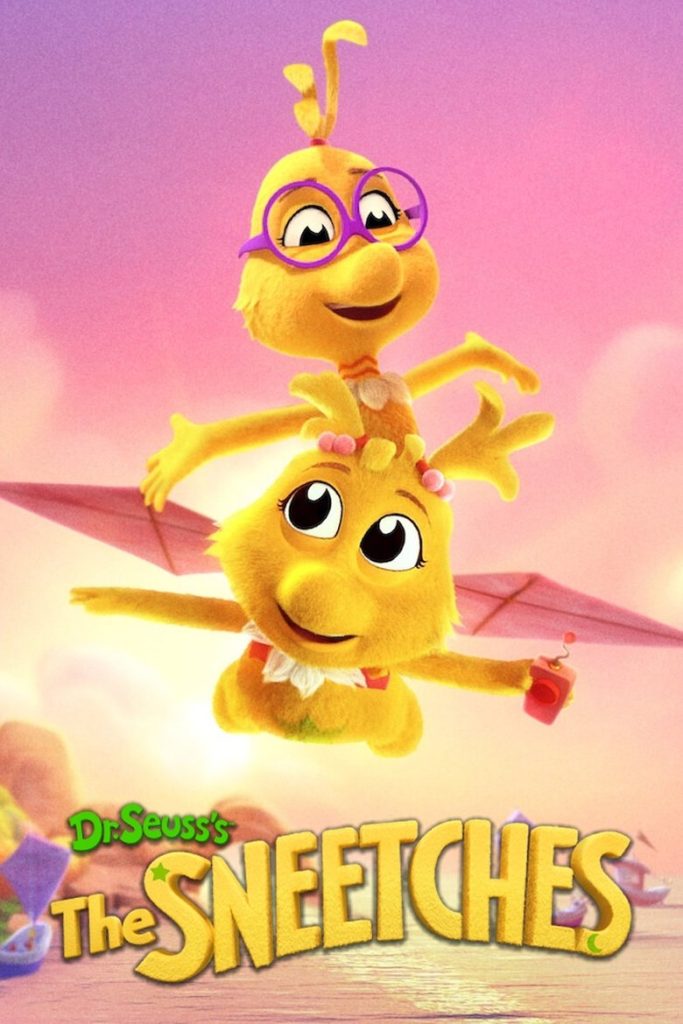
Story overview
Dr. Seuss's The Sneetches (2025) is a 45-minute animated musical special from Ireland, directed by Bronagh O'Hanlon. Set in the whimsical world of Dr. Seuss, it follows two young Sneetches who form an unexpected friendship on their island home surrounded by beaches. With a TV-G rating, this family-friendly animation features voice talents including Amari McCoy, Sophie Petersen, and Christopher Fitzgerald, delivering a sweet story about connection and acceptance through music and colorful visuals.
Parent Guide
A completely harmless, positive animated special with strong messages about friendship and acceptance. Perfect for family viewing with no content concerns.
Content breakdown
No violence, threats, or perilous situations. The conflict is entirely social/emotional about friendship barriers.
Nothing scary or disturbing. All characters are friendly, and the animation is bright and cheerful throughout.
No inappropriate language. Dialogue is family-friendly and aligns with Dr. Seuss's playful, invented vocabulary.
No sexual content or nudity. Characters are cartoon creatures with no romantic elements.
No references to alcohol, drugs, or smoking.
Mild emotional moments related to friendship and inclusion, but all resolved positively. No intense sadness or anxiety.
Parent tips
This Dr. Seuss adaptation is perfectly safe for all ages with no concerning content. The 45-minute runtime makes it ideal for young attention spans. The musical numbers are upbeat and engaging, likely to have children humming along. The themes of friendship and overcoming differences are presented in a gentle, age-appropriate way. Consider watching together to discuss the story's message about inclusion.
Parent chat guide
Parent follow-up questions
- What color were the Sneetches?
- Can you sing one of the songs from the movie?
- Were the Sneetches happy to be friends?
- What was your favorite part of their island?
- Why do you think the Sneetches were afraid to be friends at first?
- What made them change their minds?
- How did the music help tell the story?
- What does this story teach us about judging people by how they look?
- How does this adaptation compare to other Dr. Seuss stories you know?
- What real-world situations might be similar to the Sneetches' story?
- Why do you think the creators chose to make this a musical?
- How did the animation style help create the Seuss world?
- How effectively does this special translate Dr. Seuss's themes for modern audiences?
- What commentary might this story offer about social divisions and prejudice?
- How does the musical format enhance or detract from the message?
- What creative choices in animation or voice acting stood out to you?
Where to watch
Choose region:
- Netflix
- Netflix Standard with Ads
Trailer
Trailer playback is unavailable in your region.