
Drawing Closer (2024)
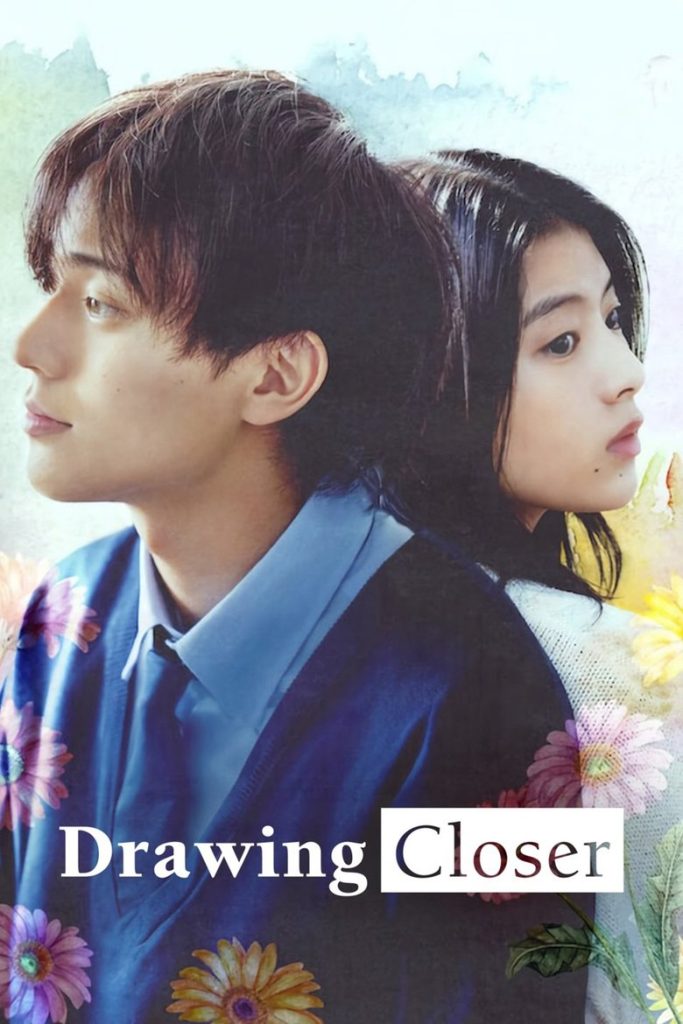
Story overview
Drawing Closer is a 2024 romantic drama that explores the emotional journey of two individuals navigating personal challenges while developing a meaningful connection. The story focuses on themes of vulnerability, growth, and the complexities of human relationships. As a TV-14 rated film, it deals with mature emotional content appropriate for teenage audiences and older viewers.
Parent Guide
A romantic drama with emotional themes suitable for mature teenagers with parental guidance. The TV-14 rating indicates content may be inappropriate for children under 14.
Content breakdown
No physical violence or perilous situations expected in this romantic drama.
May contain emotionally intense scenes or relationship conflicts that could be disturbing to sensitive viewers.
May include mild language consistent with TV-14 rating, but no strong profanity expected.
May include romantic situations or mild references to relationships appropriate for teenage audiences.
No substance use expected in this romantic drama.
Contains emotional themes and relationship dynamics that may be intense for younger viewers.
Parent tips
This romantic drama contains emotional themes that may be intense for younger viewers. The TV-14 rating suggests content may be unsuitable for children under 14 without parental guidance. Parents should be prepared to discuss relationship dynamics and emotional challenges portrayed in the film.
Consider watching this film with teenagers to facilitate conversations about healthy relationships and emotional resilience. The drama elements may include scenes of personal struggle or relationship conflicts that could benefit from parental context and guidance.
Parent chat guide
Use the film as a springboard to talk about real-life emotional situations your child might encounter. Discuss how the characters communicated their feelings and whether there were healthier ways they could have expressed themselves.
Parent follow-up questions
- What colors did you see in the movie?
- Did you see any animals or toys?
- What was your favorite part of the movie?
- How did the people in the movie feel?
- What sounds did you hear?
- How did the characters show they cared about each other?
- What problems did the people in the movie have?
- How did the characters try to solve their problems?
- What would you do if you felt like one of the characters?
- What did you learn about friendship from this movie?
- What made the relationship between the main characters complicated?
- How did the characters handle difficult emotions?
- What choices would you have made differently than the characters?
- How did the characters grow or change during the movie?
- What does this movie teach us about communication in relationships?
- How realistic were the relationship dynamics portrayed in the film?
- What societal or personal pressures affected the characters' decisions?
- How did the film handle themes of vulnerability and emotional risk?
- What insights did you gain about maintaining healthy relationships?
- How might the characters' experiences relate to challenges teenagers face today?
🎭 Story Kernel
Drawing Closer explores the profound weight of mortality through the lens of two teenagers, Akito and Haruna, who are both living on borrowed time. While the terminal romance genre often leans into melodrama, this film focuses on the intentionality of joy. Akito, diagnosed with a year to live, finds purpose not in his own survival, but in illuminating the final six months of Haruna’s life. The story expresses the idea that the value of life isn't measured by its duration, but by the depth of the connection one manages to forge in the face of inevitable loss. It shifts the narrative from the tragedy of dying to the active, almost rebellious choice of living meaningfully. The core expression is one of selfless legacy; Akito’s art becomes a vessel for Haruna’s memory, proving that love can transcend the physical limitations of a failing body.
🎬 Visual Aesthetics
Director Takahiro Miki employs his signature aesthetic, characterized by soft, diffused lighting and a high-key color palette that lends the film a dreamlike, ethereal quality. This visual softness acts as a buffer against the harsh reality of the hospital setting. A recurring visual motif is the use of vibrant flowers, particularly the gerberas, which symbolize optimism and provide a stark color contrast to the sterile environments. The cinematography frequently utilizes shallow depth of field to isolate the protagonists, emphasizing their private world and the intimacy of their shared countdown. The transition from the cold, blue tones of Akito’s initial despair to the warm, golden hues of his time with Haruna visually tracks his emotional evolution. The framing often positions the characters against expansive skies, suggesting a sense of freedom that contradicts their physical confinement and impending fate.
🔍 Details & Easter Eggs
💡 Behind the Scenes
The film is an adaptation of the best-selling web novel 'Yomei Ichinen no Boku ga, Yomei Han'nichi no Kimi to Deatta Hanashi' by Aoi Morita, which gained massive popularity on social media platforms like TikTok before its official publication. Lead actor Ren Nagase, a member of the idol group King & Prince, underwent a significant physical and emotional transformation to portray the frail, artistic Akito, marking a notable departure from his more energetic roles. Director Takahiro Miki, a veteran of the youth romance genre, specifically sought to balance the inherent sadness of the source material with a visual vibrancy that celebrated life.
Where to watch
Choose region:
- Netflix
- Netflix Standard with Ads
Trailer
Trailer playback is unavailable in your region.