
Dudzik & Jasiu’s Home Alone (2022)
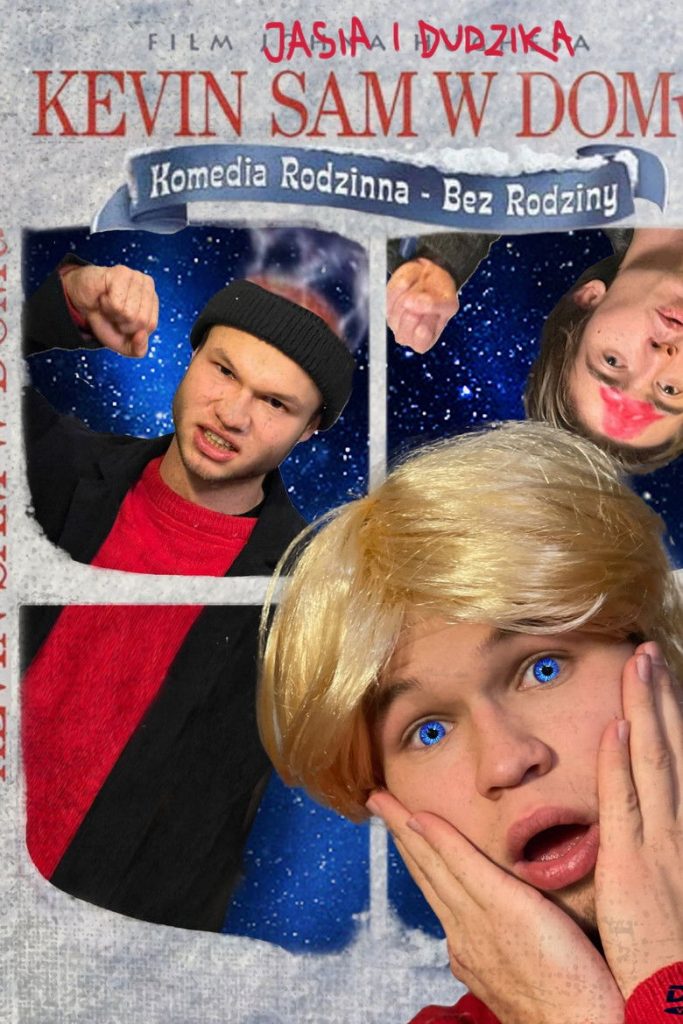
Story overview
A Polish reinterpretation of the classic Home Alone story, created by Dominik Dudzik and Jas Dmoch. This family comedy follows a child who is accidentally left behind when his family goes on vacation, leading to humorous and creative attempts at independence while dealing with unexpected challenges.
Parent Guide
A family-friendly comedy with mild slapstick humor and positive messages about resourcefulness and family.
Content breakdown
Cartoonish slapstick violence typical of the genre - characters may trip, fall, or get hit with harmless objects. Some mild peril when characters face challenges while home alone.
No scary or disturbing content. The tone is consistently light and humorous.
No offensive language. The dialogue is family-appropriate.
No sexual content or nudity.
No depiction of substance use.
Mild emotional moments related to family separation and reunion, but handled with humor and positive resolution.
Parent tips
This is a lighthearted comedy suitable for most families. The humor revolves around slapstick situations and clever problem-solving rather than mean-spirited jokes. Parents might want to discuss with children about home safety, what to do in emergencies, and the importance of family communication.
Parent chat guide
Parent follow-up questions
- What was the silliest thing that happened in the movie?
- What would you do if you were home alone for a little while?
- How did the main character solve problems when alone?
- What would you have done differently in those situations?
- What does this movie say about independence and responsibility?
- How realistic do you think the situations were?
- How does this interpretation compare to the original Home Alone?
- What cultural elements did you notice in this Polish version?
🎭 Story Kernel
At its core, 'Dudzik & Jasiu's Home Alone' explores the absurdity of modern masculinity through two directionless friends who find purpose in accidental crime. The film isn't about home invasion but about invasion of self—these men are literally breaking into their own potential. Their bumbling attempts at burglary become a twisted form of self-actualization, revealing how societal expectations have left them feeling like outsiders in their own lives. The driving force isn't greed but the desperate need to prove competence in a world that constantly reminds them of their failures. Each botched robbery becomes a tragicomic ritual of masculine validation.
🎬 Visual Aesthetics
The film employs a deliberately grimy visual palette—washed-out yellows and concrete grays dominate, mirroring Warsaw's post-communist aesthetic and the characters' stagnant lives. Cinematographer uses shaky handheld shots during chaotic sequences, creating visceral discomfort, then switches to static wide shots during moments of pathetic triumph. The action isn't stylized Hollywood spectacle but awkward, realistic fumbling—a dropped crowbar becomes more dramatic than any shootout. Symbolism emerges through recurring visual motifs: perpetually locked doors represent their emotional barriers, while the constant presence of IKEA furniture serves as ironic commentary on their prefabricated aspirations.
🔍 Details & Easter Eggs
💡 Behind the Scenes
The lead actors, Tomasz Karolak and Bartłomiej Topa, improvised approximately 40% of their dialogue based on their real-life friendship dynamic. Filming occurred in actual Warsaw housing blocks from the communist era, with residents occasionally appearing as confused extras. The production faced multiple complaints from neighbors who mistook staged burglaries for real crimes. Director Patryk Vega shot the entire film chronologically to maintain the characters' deteriorating mental state, a rare approach for comedy films.
Where to watch
Choose region:
- Disney Plus
- Amazon Video
- Apple TV Store
- Google Play Movies
- YouTube
- Fandango At Home