
Dusty Rhodes: Celebrating the Dream (2015)
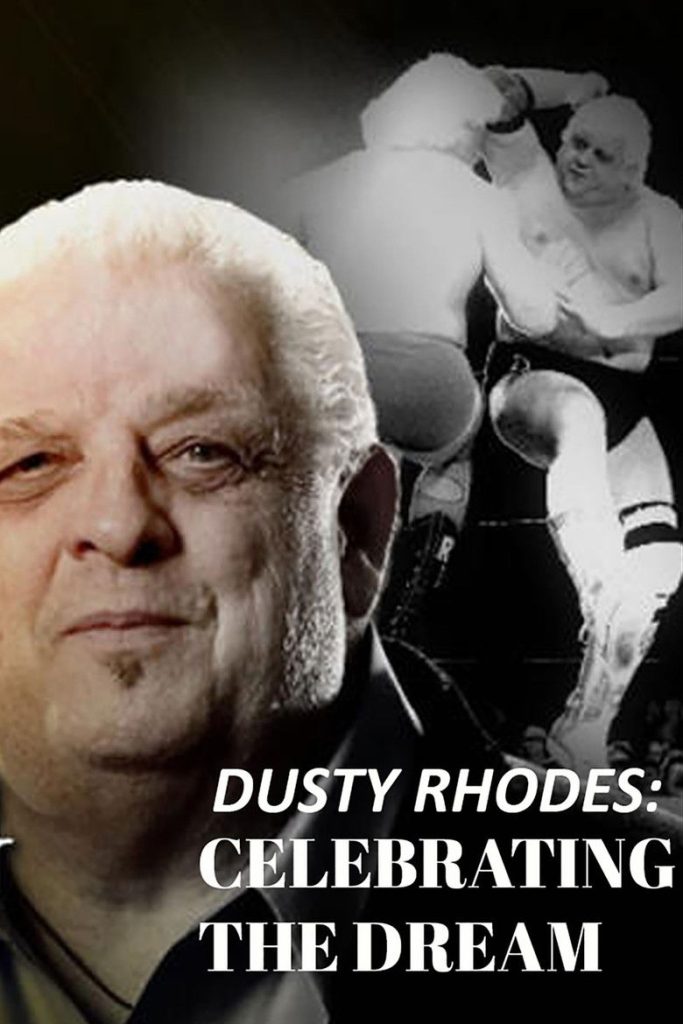
Story overview
This 2015 documentary celebrates the life and career of WWE Hall of Famer Dusty Rhodes, known as 'The American Dream.' It features interviews with wrestling figures like Vince McMahon and Jerry Lawler, reflecting on Rhodes' legacy in professional wrestling. The film focuses on his achievements, personality, and impact on the sport, presenting a tribute rather than a critical biography.
Parent Guide
A family-friendly documentary celebrating a wrestling legend, with no major content concerns. Suitable for ages 8 and up, as it focuses on positive tributes and career highlights without explicit material.
Content breakdown
Includes archival wrestling footage with staged fights, slams, and theatrical violence typical of professional wrestling. No real violence or peril is depicted.
No scary or disturbing content. The tone is celebratory and respectful, focusing on Dusty Rhodes' life and achievements.
No offensive language is expected, based on the documentary's tribute nature and lack of a content rating. Interviews are likely to be clean and professional.
No sexual content or nudity. The film centers on wrestling career highlights and personal reflections.
No depiction or discussion of substance use. The content focuses solely on Dusty Rhodes' professional life and legacy.
Mild emotional moments may arise from discussions of Rhodes' passing and tributes from colleagues, but it's handled respectfully without intense sadness.
Parent tips
This documentary is suitable for children interested in wrestling history, as it avoids explicit content. Parents can discuss the difference between scripted entertainment and real-life sports, and highlight Rhodes' positive legacy. Be prepared for wrestling footage that may include staged violence typical of the sport.
Parent chat guide
Parent follow-up questions
- Who was Dusty Rhodes?
- What do you like about wrestling?
- What is a 'dream'?
- Why is Dusty Rhodes called 'The American Dream'?
- How is wrestling different from real sports?
- What makes someone a 'Hall of Famer'?
- What challenges did Dusty Rhodes face in his career?
- How does this documentary portray his legacy?
- Why is it important to celebrate people's achievements?
- How does this documentary handle the entertainment aspects of wrestling?
- What can we learn from Dusty Rhodes' impact on pop culture?
- Discuss the balance between tribute and critical analysis in biographies.
🎭 Story Kernel
The film isn't just a biography of 'The American Dream' Dusty Rhodes; it's a deconstruction of the persona he created. It explores how a working-class Texan, Virgil Runnels, consciously constructed the Dusty Rhodes character as a living metaphor for blue-collar struggle and triumph. The driving force is the tension between the man and the myth—his personal demons, including substance abuse and professional paranoia, constantly threaten to undermine the heroic, everyman image he projected to millions. The documentary reveals that the 'Dream' was both an authentic expression of his roots and a meticulously crafted performance, examining the cost of maintaining such a colossal public identity.
🎬 Visual Aesthetics
The visual language masterfully contrasts gritty reality with polished spectacle. Archival wrestling footage is presented in its original, often grainy, saturated glory, emphasizing the visceral, chaotic energy of the ring. In contrast, modern interview segments use a more muted, cinematic color palette with shallow depth of field, isolating the speakers and creating a reflective, confessional tone. The editing frequently intercuts brutal, sweat-soaked brawls with quiet, vulnerable moments of Rhodes off-camera, visually reinforcing the central dichotomy between the performer and the person. Symbolically, recurring shots of long, empty hallways backstage evoke the loneliness behind the curtain of fame.
🔍 Details & Easter Eggs
💡 Behind the Scenes
The documentary faced significant challenges in securing clearances for archival footage from multiple, often competing, wrestling promotions (WWF/WWE, WCW, NWA, AWA). Director Steve Kullback, known for his work on 'The Last Dance,' insisted on interviewing subjects in locations meaningful to Rhodes's career, leading to shoots in Tampa, Florida (where he helped build the CWF territory) and at the old WTBS studios in Atlanta. Notably, several contemporary wrestlers interviewed, like Cody Rhodes and Dustin Rhodes (Goldust), had to film their segments separately due to hectic touring schedules, with their emotional reactions to archival footage of their father being captured authentically in the moment.
Where to watch
Choose region:
- Peacock Premium
- Peacock Premium Plus