
El bonaerense (2002)
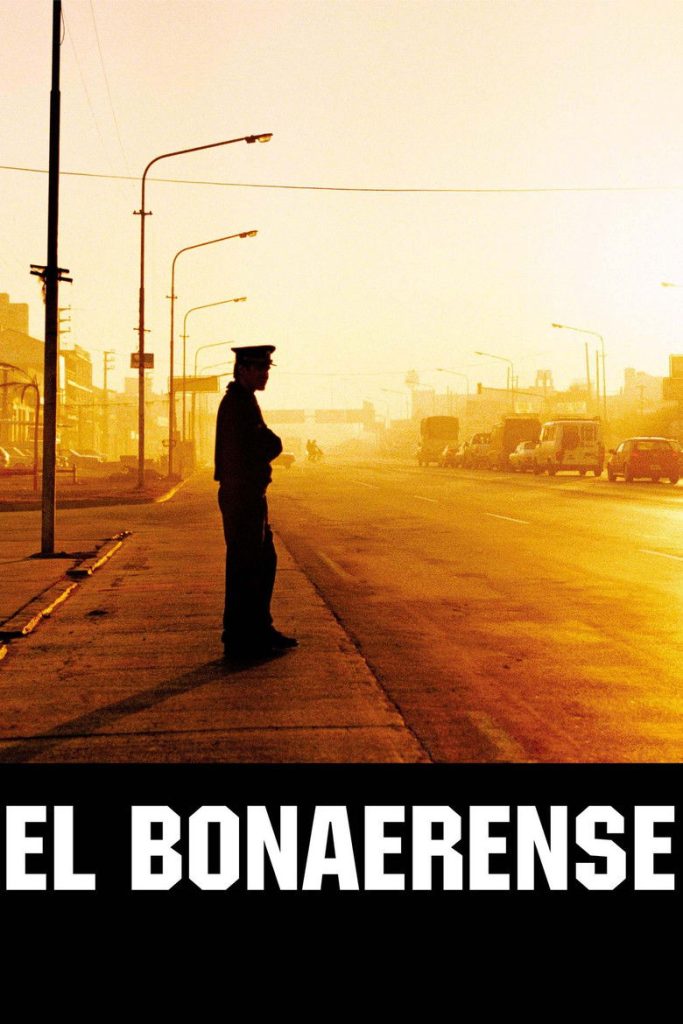
Story overview
El bonaerense is a 2002 Argentine crime drama directed by Pablo Trapero. The film follows Zapa, a locksmith from a small town in Buenos Aires province who becomes involved in a crime. His retired police officer uncle helps him by sending him to Buenos Aires city to join the police force as a recruit. There, Zapa encounters and becomes entangled in systemic corruption within the police department, exploring themes of moral compromise, institutional decay, and personal survival in a gritty urban environment.
Parent Guide
A gritty crime drama exploring police corruption in Argentina with mature themes and realistic violence. Not suitable for children.
Content breakdown
Scenes include criminal activities, police operations, physical confrontations, and implied violence. Some tense situations with peril. Not excessively graphic but realistic in tone.
Themes of corruption, moral compromise, and institutional decay may be disturbing. Atmospheric tension and realistic portrayal of crime environments.
Some strong language in Spanish (original language) including profanity. Subtitles may contain equivalent strong terms in English.
Minimal sexual content. Possible brief suggestive scenes or references but no explicit nudity or sexual acts shown.
Social drinking shown in some scenes. Possible smoking. No prominent drug use depicted.
Characters face moral dilemmas and pressure from corruption. Tense atmosphere throughout. Emotional weight from the protagonist's journey into compromised ethics.
Parent tips
This film contains mature themes including police corruption, crime, and moral ambiguity. It has scenes of violence, peril, and emotional intensity that may be disturbing for younger viewers. Recommended for older teens and adults who can handle complex social commentary. Not suitable for children under 13.
Parent chat guide
Parent follow-up questions
—
—
—
- What did you think about Zapa's decision to join the police? Was it a good choice?
- How does the film show the difference between right and wrong? Are things always clear?
- What message do you think the director wants to send about corruption?
- How do you think Zapa's life changes from the beginning to the end of the movie?
🎭 Story Kernel
At its core, 'El Bonaerense' is a chilling study of institutional absorption. Zapa, a locksmith turned police recruit, doesn't fall from grace—he's systematically dismantled and rebuilt by the system. His initial crime is minor, but the Buenos Aires Provincial Police apparatus offers him a Faustian bargain: protection in exchange for his soul. The film's true horror lies not in Zapa's moral corruption, but in how efficiently the institution replaces individual conscience with collective complicity. His drive shifts from survival to a hollow pursuit of status within the very machine that consumed him, illustrating how systemic rot normalizes deviance until the abnormal becomes the only way to exist.
🎬 Visual Aesthetics
Director Pablo Trapero employs a gritty, documentary-like realism with handheld cameras and natural lighting that makes the corruption feel uncomfortably close. The color palette is dominated by institutional beiges, murky greens, and the stark blue of police uniforms, visually trapping characters in their roles. Wide shots in the police academy emphasize the dehumanizing scale of the system, while tight close-ups during moments of moral compromise force intimacy with Zapa's internal erosion. The action is deliberately unglamorous—violence is bureaucratic, sudden, and messy, mirroring the film's theme that institutional decay isn't dramatic but mundane and relentless.
🔍 Details & Easter Eggs
💡 Behind the Scenes
Director Pablo Trapero cast non-professional actors alongside seasoned performers to enhance the film's raw authenticity. Many scenes were shot in actual Buenos Aires police stations with real officers occasionally in the background. The lead actor, Jorge Román, underwent training with provincial police to understand the movements and mindset. Trapero's use of 16mm film stock contributes to the grainy, urgent texture. The film's title refers colloquially to the Buenos Aires Provincial Police, an institution historically notorious for corruption, adding a layer of pointed social critique understood immediately by Argentine audiences.
Where to watch
Choose region:
- Netflix
- Netflix Standard with Ads