
El verano que vivimos (2020)
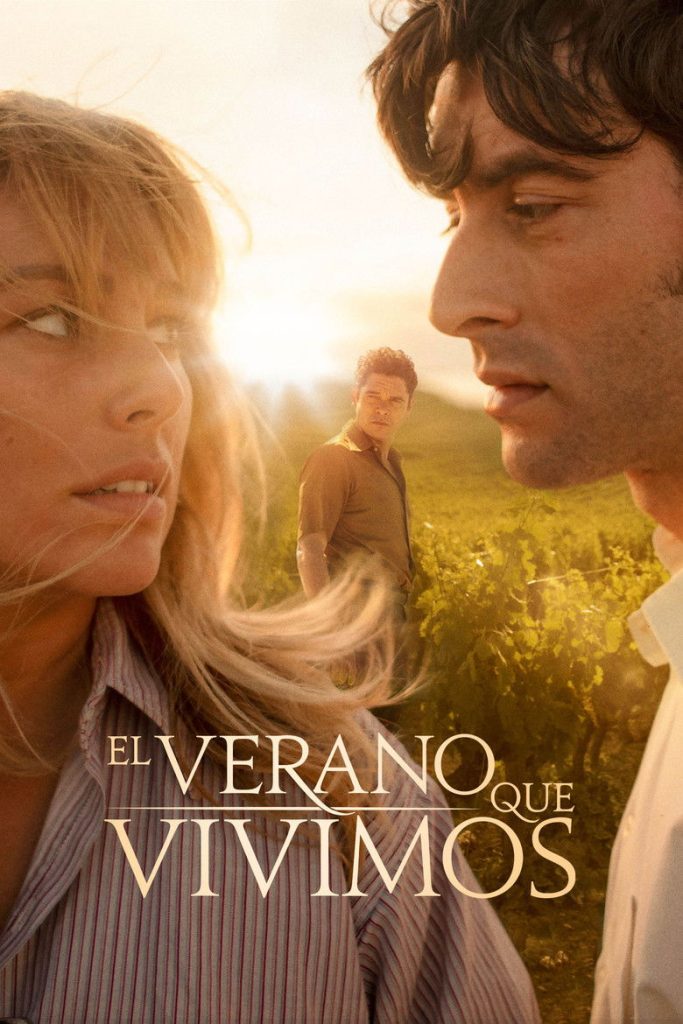
Story overview
El verano que vivimos is a 2020 Spanish-language drama and romance film. The story follows characters navigating personal relationships and emotional growth during a summer period. Themes likely include love, self-discovery, and the passage of time, common to the genres. The film explores how seasonal changes can mirror internal transformations in people's lives.
Parent Guide
A drama/romance film exploring relationships and personal growth during a summer period. Suitable for mature pre-teens and teenagers with parental guidance due to emotional themes.
Content breakdown
No violence or physical peril depicted based on genre conventions.
May contain emotionally intense scenes related to relationship conflicts or personal struggles.
No strong language expected in typical Spanish-language drama/romance films.
May contain romantic situations and kissing, but no explicit content expected.
No substance use depicted based on genre conventions.
Contains emotional themes related to relationships, love, and personal growth that may be intense for younger viewers.
Parent tips
This drama/romance film deals with emotional themes that may be more suitable for older children and teenagers. Parents should be prepared to discuss relationship dynamics and personal growth with younger viewers. The film's focus on romance and drama means it may contain mature emotional content without explicit scenes, but parental guidance is recommended for pre-teens.
Parent chat guide
Parent follow-up questions
- What was your favorite part of the movie?
- How did the characters show they cared about each other?
- What colors or places did you like seeing in the movie?
- How did the music make you feel?
- What would you do during a special summer?
- How did the characters change from the beginning to the end?
- What did the characters learn about themselves?
- How did the summer setting affect the story?
- What makes a good friend in the movie?
- How did the characters solve their problems?
- What themes about growing up did you notice in the film?
- How did the characters handle difficult emotions?
- What did the film say about relationships and communication?
- How did the setting contribute to the story's mood?
- What would you have done differently than the characters?
- How does the film portray the complexity of relationships?
- What commentary does the film make about personal transformation?
- How effective were the character developments throughout the story?
- What cinematic techniques enhanced the emotional impact?
- How does this film compare to other coming-of-age stories you've seen?
🎭 Story Kernel
At its core, 'El verano que vivimos' explores the corrosive nature of secrets and the performative identities we construct when reality becomes unbearable. The murder investigation serves as a catalyst, but the true drama unfolds in the characters' desperate attempts to preserve their carefully curated summer personas. Each character is driven not by greed or malice, but by a profound fear of exposure—of their infidelities, their professional failures, their hidden vulnerabilities. The film argues that the trauma of the event is secondary to the psychological prison the survivors build in its aftermath, where the shared lie becomes a heavier burden than the shared truth ever could have been.
🎬 Visual Aesthetics
The film masterfully employs a visual dichotomy. The early summer sequences are awash in a hyper-saturated, golden-hour palette, with lingering shots on sun-dappled skin and azure pools, creating an almost tactile sense of idyllic leisure. This aesthetic serves as a beautiful lie. As the narrative fractures, the camera becomes restless—using tight, claustrophobic close-ups during interrogations and shaky, voyeuristic handheld shots that mirror the characters' unraveling sanity. The transition from wide, stable compositions to fragmented, uneasy framing visually charts the disintegration of their collective facade, making the paradise itself feel complicit and deceptive.
🔍 Details & Easter Eggs
💡 Behind the Scenes
The film was shot on location in Andalusia, Spain, during an actual heatwave, which the director incorporated into the shooting schedule to authentically capture the actors' physical discomfort and lethargy, enhancing the tense, oppressive atmosphere. Lead actress Blanca Suárez reportedly spent weeks learning the victim's specific swimming technique to make the flashback sequences more visceral. Notably, several key dialogue scenes were improvised during rehearsals at the actual villa, with the secluded setting fostering a genuine sense of isolation among the cast that translated directly to screen.
Where to watch
Choose region:
- HBO Max
- HBO Max Amazon Channel