
Eldorado: Everything the Nazis Hate (2023)
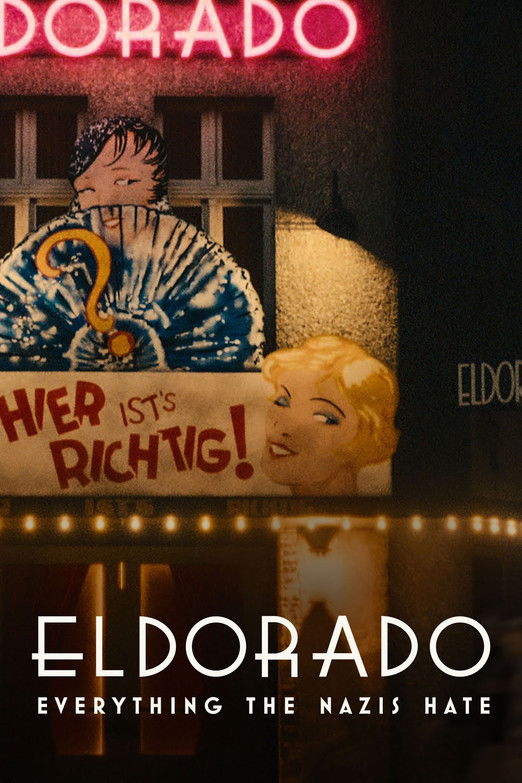
Story overview
This 2023 German documentary examines the Eldorado nightclub in 1920s Berlin, which served as a sanctuary for LGBTQ+ individuals during a period of relative freedom before the Nazi regime's rise. Through historical footage, interviews, and narration, it explores how this vibrant queer community flourished and then faced persecution under Hitler's rule, highlighting themes of identity, tolerance, and the loss of civil liberties.
Parent Guide
This documentary is educational but deals with mature themes related to Nazi persecution, LGBTQ+ history, and the loss of freedoms. It is best suited for teenagers and adults who can understand the historical context and social implications. Parents should be aware of its TV-MA rating and consider previewing it for younger viewers.
Content breakdown
Includes discussions and historical references to Nazi violence, persecution, and the dangers faced by the queer community. May contain archival footage or descriptions of arrests, intimidation, and systemic oppression, but no graphic depictions of physical violence.
Themes of oppression, discrimination, and the rise of a totalitarian regime can be emotionally disturbing. Scenes depicting the loss of safe spaces and freedoms may be unsettling, especially for sensitive viewers.
May include historical or documentary language related to Nazi ideology or discriminatory terms, but no strong profanity is expected based on the genre and subject matter.
References to queer identity and nightlife culture, but no explicit sexual content or nudity. Focus is on historical and social aspects rather than intimate details.
No notable depiction or discussion of substance use; the focus is on historical events and social issues.
Emotionally intense due to themes of persecution, loss, and injustice. Viewers may feel sadness, anger, or empathy for the individuals affected. The documentary aims to provoke thought about human rights and tolerance.
Parent tips
This documentary deals with mature themes including Nazi persecution, historical discrimination against LGBTQ+ people, and the erosion of freedoms. It includes discussions of queer identity and may contain archival footage or descriptions of violence. Best suited for teens and adults due to its complex historical and social content. Parents should preview it to assess appropriateness for younger viewers and be prepared to discuss the historical context and themes of prejudice.
Parent chat guide
Parent follow-up questions
—
—
- What does 'queer community' mean in this documentary?
- Why did the Nazis want to close places like Eldorado?
- How do you think people felt when they lost their safe space?
- How does this documentary connect historical LGBTQ+ persecution to modern issues of rights and tolerance?
- What role did cultural spaces like Eldorado play in challenging societal norms?
- In what ways did the Nazi regime use propaganda against minority groups, and what parallels exist today?
- How can documentaries like this help us understand the importance of protecting freedoms for all people?
🎭 Story Kernel
The film explores the fragile intersection of queer liberation and political extremism in 1920s Berlin. It centers on the legendary Eldorado nightclub, a haven for gender non-conformity and sexual freedom that stood as a direct antithesis to the burgeoning Nazi ideology. Through a blend of historical testimony and dramatized vignettes, Cantu illustrates how the Weimar Republic’s progressive strides—led by figures like Magnus Hirschfeld—were systematically dismantled. The narrative isn't just a history lesson; it's a sobering meditation on the cyclical nature of civil rights and the vulnerability of marginalized communities when authoritarianism gains traction. It emphasizes that the 'everything' the Nazis hated wasn't just a club, but the very concept of individual autonomy and the visibility of those who refused to fit the heteronormative mold. It is a powerful reminder of how quickly progress can be reversed.
🎬 Visual Aesthetics
Cantu employs a hybrid visual language, juxtaposing grainy, evocative archival footage with highly stylized, cinematic reenactments. The color palette in the dramatized segments often leans into rich, saturated tones—deep reds and smoky ambers—to recreate the decadent, safe-haven atmosphere of the Eldorado. This contrasts sharply with the stark, cold imagery associated with the rise of the Third Reich. The cinematography uses intimate close-ups to humanize historical figures, bridging the gap between past and present. Symbolism is found in the recurring motif of the club’s physical space: once a vibrant stage for self-expression, it becomes a hollowed-out shell under Nazi occupation. The transition from the fluid, handheld camera work during the club scenes to the rigid, static framing of the state-sanctioned oppression visually mirrors the loss of freedom. This aesthetic duality effectively captures the transition from a dream to a nightmare.
🔍 Details & Easter Eggs
💡 Behind the Scenes
Directed by Benjamin Cantu, the film was released on Netflix in June 2023. It features interviews with historians and descendants, providing a rare look at the first modern LGBTQ+ movement. The production used extensive research from the Magnus Hirschfeld Society to ensure historical accuracy in its dramatizations. Notably, the film features actors like Chris Nachtigall to bring historical figures to life. It serves as a spiritual successor to other documentaries on the era but distinguishes itself through its focus on the specific physical location of the Eldorado as a symbol of both peak liberation and total destruction.
Where to watch
Choose region:
- Netflix
- Netflix Standard with Ads