
Elena (2013)
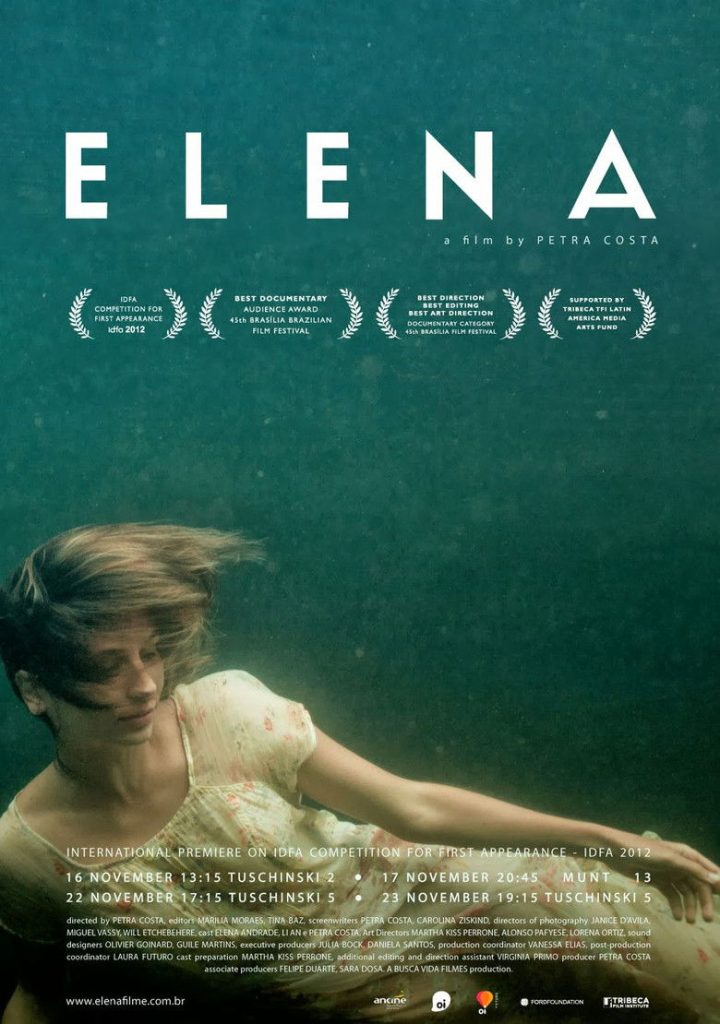
Story overview
Elena is a documentary-drama film from 2013 that explores personal and emotional themes through a narrative lens. The film blends documentary elements with dramatic storytelling to create an intimate portrait. It likely focuses on character development and real-life inspired situations rather than action or fantasy elements.
Parent Guide
A documentary-drama that may contain mature themes; parental guidance recommended for younger viewers.
Content breakdown
Documentary-dramas may include tense situations or discussions of difficult topics, but graphic violence is unlikely.
May contain emotionally intense scenes or discussions of serious real-world issues.
Could include occasional strong language given the documentary-drama genre.
Unlikely in a documentary-drama format, but cannot be confirmed without specific details.
Not typically featured in documentary-dramas, but cannot be confirmed without specific details.
Documentary-dramas often explore emotionally complex topics that may be challenging for younger viewers.
Parent tips
This documentary-drama may contain mature themes or emotional content typical of the genre. Since specific details aren't provided, parents should be prepared for potentially serious subject matter. Consider previewing or researching the film's specific content before watching with children.
Parent chat guide
Parent follow-up questions
- What was your favorite part of the movie?
- Did you see anything that made you feel happy or sad?
- What do you think the movie was trying to show us?
- Can you tell me about the main person in the movie?
- What colors or sounds did you notice most?
- What did you learn from watching this documentary?
- How did the movie make you feel about the subject it showed?
- What parts seemed real versus acted to you?
- Why do you think someone made a movie about this topic?
- What questions do you have after watching this film?
- How effective was the documentary-drama format in telling this story?
- What techniques did the filmmakers use to engage viewers?
- What ethical considerations might be involved in making a documentary?
- How does this film compare to other documentaries you've seen?
- What message or perspective did the film present?
- How does this film balance documentary truth with dramatic storytelling?
- What biases or perspectives might be present in how the story is told?
- How does the film's structure affect its emotional impact?
- What social or cultural context might be important to understanding this film?
- How does this documentary-drama contribute to discussions about its subject matter?
🎭 Story Kernel
At its core, 'Elena' explores the brutal economics of love within a fractured family. The film isn't about a murder plot; it's about the transactional nature of care and inheritance in a post-Soviet Russia where old loyalties have been replaced by cold, hard cash. Elena's quiet desperation isn't driven by malice, but by a primal need to secure her biological son's future, viewing her wealthy husband's resources as the only currency of salvation. The characters are propelled not by passion, but by a deep-seated anxiety about worth and survival, making every calculated gesture—from a morning breakfast to a faked heart attack—a move in a silent, high-stakes game where family is the ultimate market.
🎬 Visual Aesthetics
Director Andrey Zvyagintsev employs a stark, clinical visual language that mirrors the emotional frigidity of the characters. The camera is often static, observing from a middle distance like a dispassionate witness, reinforcing the sense of inevitable, grim fate. The color palette is dominated by cold blues, grays, and sterile whites, particularly in the husband's modernist apartment, which feels more like a museum or a hospital than a home. This contrasts sharply with the warmer, cluttered, and more chaotic palette of Elena's son's cramped apartment, visually mapping the class divide. The deliberate, slow pacing and long takes force the viewer to sit in the uncomfortable silence, making the eventual violent act feel less like a shock and more like a logical, chilling conclusion to the visual tension.
🔍 Details & Easter Eggs
💡 Behind the Scenes
The film's lead, Nadezhda Markina, who plays Elena, is not a professional actress but a renowned Russian theater director, which adds a layer of profound, understated control to her performance. The minimalist, oppressive apartment belonging to Vladimir was a meticulously constructed set, designed to feel authentically wealthy yet emotionally hollow. Director Andrey Zvyagintsev drew inspiration from the ancient Greek myth of Medea, transposing its themes of maternal sacrifice and vengeance into a modern, morally ambiguous Russian context, which won the film the Un Certain Regard special jury prize at Cannes in 2011.
Where to watch
Choose region:
- Netflix
- GuideDoc
- OVID
- Netflix Standard with Ads
- Fandango at Home Free
- Amazon Video
- Apple TV
- Google Play Movies
- YouTube
- Fandango At Home
Trailer
Trailer playback is unavailable in your region.