
Elephant (2020)
Story overview
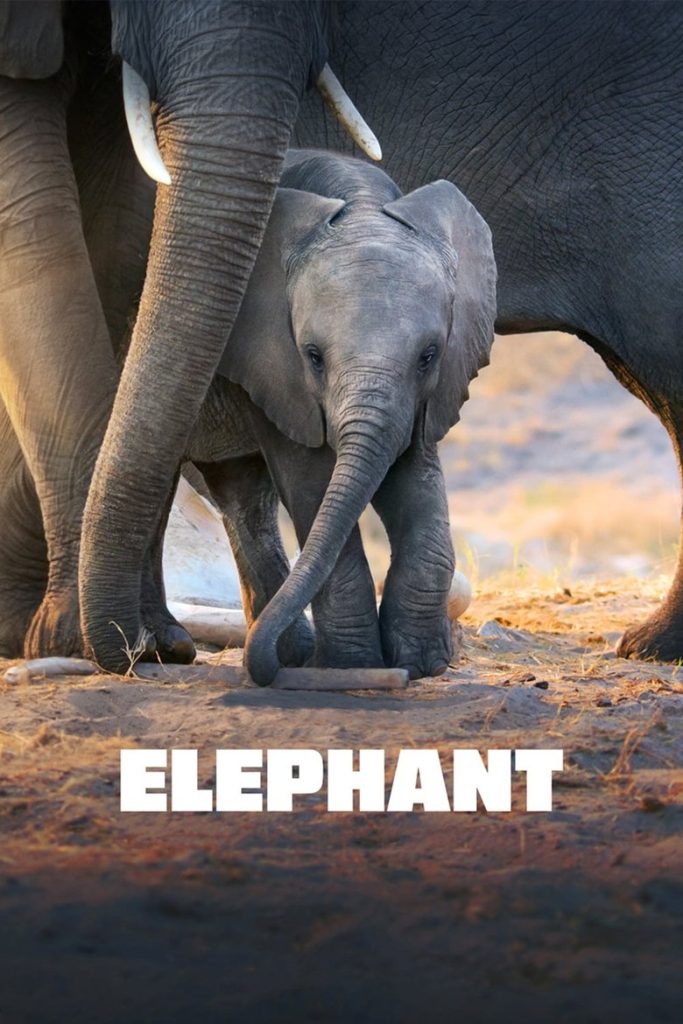
Elephant is a 2020 documentary that follows the lives of elephants in their natural habitat. The film showcases their daily routines, family dynamics, and interactions with other wildlife. It offers educational insights into elephant behavior and conservation efforts, presented in a family-friendly format suitable for all ages.
Parent Guide
A gentle, educational documentary suitable for all ages with positive messages about nature and conservation.
Content breakdown
Natural predator-prey interactions may be shown but without graphic content.
Content is educational and non-threatening.
No concerning language present.
No sexual content or nudity.
No substance use depicted.
Mild emotional moments related to animal family bonds or conservation themes.
Parent tips
This documentary provides a gentle introduction to wildlife and nature for young viewers. Parents can use it to discuss animal behavior, family bonds in the animal kingdom, and environmental conservation. The G rating indicates content is appropriate for general audiences without concerning material.
Parent chat guide
Parent follow-up questions
- What did the elephants eat in the movie?
- How did the baby elephants play together?
- What sounds did the elephants make?
- What colors did you see in nature?
- Where do elephants live?
- How do elephants help each other in their family groups?
- What challenges might elephants face in the wild?
- Why is it important to protect elephant habitats?
- How are elephant families similar to human families?
- What did you learn about how elephants communicate?
- What adaptations help elephants survive in their environment?
- How do conservation efforts help protect elephant populations?
- What role do elephants play in their ecosystem?
- How might climate change affect elephants?
- What responsibilities do humans have toward wildlife protection?
- What ethical considerations surround wildlife documentary filmmaking?
- How do cultural perceptions of elephants vary globally?
- What are the most effective conservation strategies for endangered species?
- How does habitat fragmentation impact elephant migration patterns?
- What economic factors influence wildlife protection policies?
🎭 Story Kernel
Gus Van Sant's 'Elephant' explores the banality leading to tragedy, rejecting simple causality for a complex tapestry of adolescent life. The film presents the Columbine-inspired massacre not as a sudden eruption but as the culmination of overlooked tensions—bullying, social isolation, media consumption, and parental disconnect. By following multiple characters in overlapping real-time sequences, it emphasizes how everyone exists in their own subjective reality, unaware of the converging catastrophe. The killers themselves are portrayed with unsettling normalcy, their preparations treated as mundane tasks, forcing viewers to confront the horror in everyday actions rather than demonic archetypes.
🎬 Visual Aesthetics
Van Sant employs long, fluid Steadicam shots that follow characters through school hallways, creating a documentary-like intimacy while maintaining emotional distance. The natural lighting and desaturated color palette lend a stark realism, making the eventual violence more jarring. Recurring shots of the sky—sometimes beautiful, sometimes ominous—serve as silent witnesses to the unfolding tragedy. The deliberate pacing and minimal editing mirror the characters' aimless wandering, building unbearable tension through ordinary moments. Spatial relationships are crucial, with the school's architecture becoming both a maze and a trap.
🔍 Details & Easter Eggs
💡 Behind the Scenes
The film features mostly non-professional actors, with many being actual Portland high school students, lending authentic awkwardness to interactions. It was shot in just 20 days at a closed school, using available light to maintain naturalism. Van Sant deliberately avoided researching the Columbine killers to prevent biopic clichés, instead focusing on atmospheric truth. The overlapping timeline structure was inspired by the Japanese film 'Woman in the Dunes,' creating a hypnotic, cyclical rhythm that makes the inevitable violence feel both shocking and predestined.
Where to watch
Choose region:
- Disney Plus
Trailer
Trailer playback is unavailable in your region.