
Elizabeth Taylor: The Lost Tapes (2024)
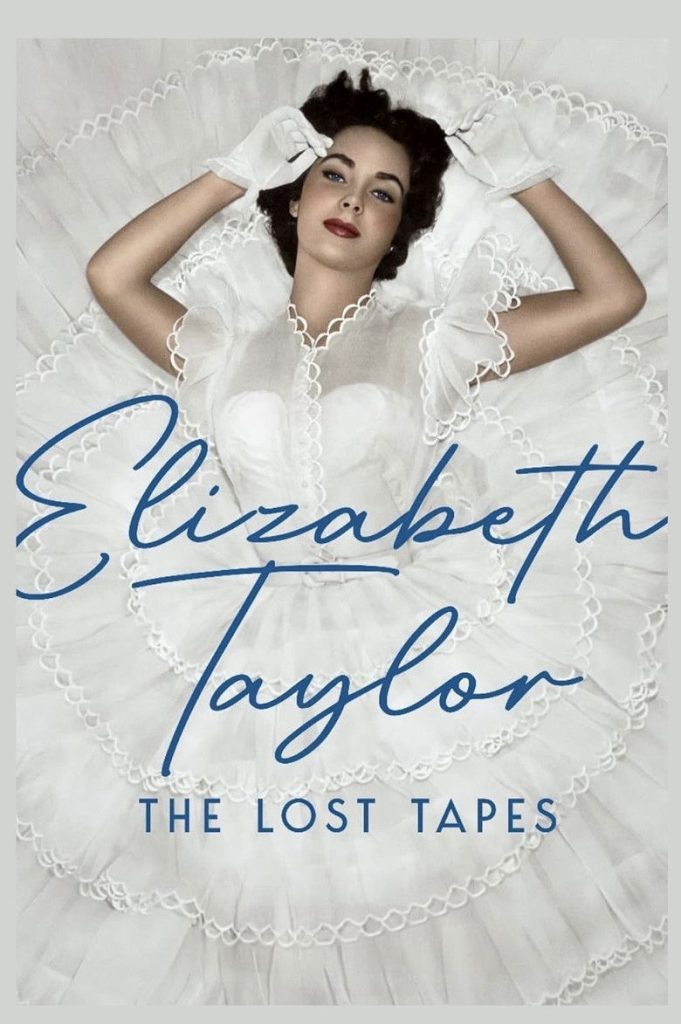
Story overview
This documentary uses recently discovered interviews and personal archives to explore the private life of Hollywood legend Elizabeth Taylor, revealing her vulnerabilities and complexities beyond her public persona.
Parent Guide
Documentary about Elizabeth Taylor's personal life with mature themes suitable for older teens and adults.
Content breakdown
No violence or peril depicted.
May include discussions of personal struggles, health issues, or relationship difficulties that could be emotionally challenging for younger viewers.
May include occasional mild language consistent with documentary interviews.
May discuss relationships and marriages, but no explicit sexual content or nudity shown.
May include historical references to alcohol or medication use in context of Taylor's life.
Explores personal vulnerabilities, relationship challenges, and the pressures of fame which may be emotionally intense for younger viewers.
Parent tips
This documentary is suitable for mature audiences due to adult themes. It focuses on Elizabeth Taylor's personal struggles, relationships, and career challenges. Parents should preview or watch with older teens to discuss themes of fame, personal identity, and historical context.
Parent chat guide
Parent follow-up questions
—
—
- What do you think it would be like to be famous?
- Why do you think people are interested in celebrities' lives?
- How did Elizabeth Taylor balance her public image with her private life?
- What challenges do you think celebrities face that regular people don't?
- How has celebrity culture changed since Taylor's era?
🎭 Story Kernel
The documentary functions as a posthumous autobiography, utilizing forty hours of rediscovered 1964 interviews with journalist Richard Meryman to dismantle the tabloid-constructed caricature of Elizabeth Taylor. It centers on the dissonance between her public persona as a scandalous 'man-eater' and her private reality as a woman seeking agency in a predatory industry. The film explores her transition from a commodified child star at MGM to a global icon grappling with grief, fame, and the relentless scrutiny of the paparazzi. By focusing on her own voice, the narrative expresses a profound sense of self-awareness and resilience. It is less a chronological biography and more a psychological excavation of a woman who was often seen but rarely heard, revealing her struggle to maintain a sense of self while being the most famous person in the world.
🎬 Visual Aesthetics
Nanette Burstein employs a sophisticated collage aesthetic, eschewing traditional 'talking head' interviews in favor of a purely archival immersion. The visual palette is a rich tapestry of restored behind-the-scenes footage, personal home movies, and high-resolution contact sheets that mirror the intimacy of the audio tapes. The cinematography of the archival selections emphasizes the claustrophobia of Taylor’s fame, often contrasting the lush, Technicolor artifice of her film roles with the grainy, monochromatic reality of her private life. Symbolically, the film uses close-ups of Taylor’s expressive features to punctuate her verbal revelations, creating a visual dialogue between the icon the world knew and the woman speaking from the past. The meticulous editing synchronizes the crackle of the vintage tapes with fluid, dreamlike transitions, making the documentary feel like a living memory rather than a historical record.
🔍 Details & Easter Eggs
💡 Behind the Scenes
The documentary is constructed from 40 hours of lost audio interviews conducted in 1964 by Richard Meryman, the same journalist who conducted Marilyn Monroe’s final interview. These tapes remained in Meryman’s archives for decades before being rediscovered. Director Nanette Burstein, acclaimed for 'The Kid Stays in the Picture,' intentionally avoided modern interviews to keep the focus entirely on Taylor’s perspective. The project was supported by the Elizabeth Taylor Trust, granting the production unprecedented access to personal photos and home movies that had never been publicly screened, ensuring the film’s status as a definitive primary-source document.
Where to watch
Choose region:
- HBO Max
- HBO Max Amazon Channel
Trailer
Trailer playback is unavailable in your region.