
Eloá the Hostage: Live on TV (2025)
Story overview
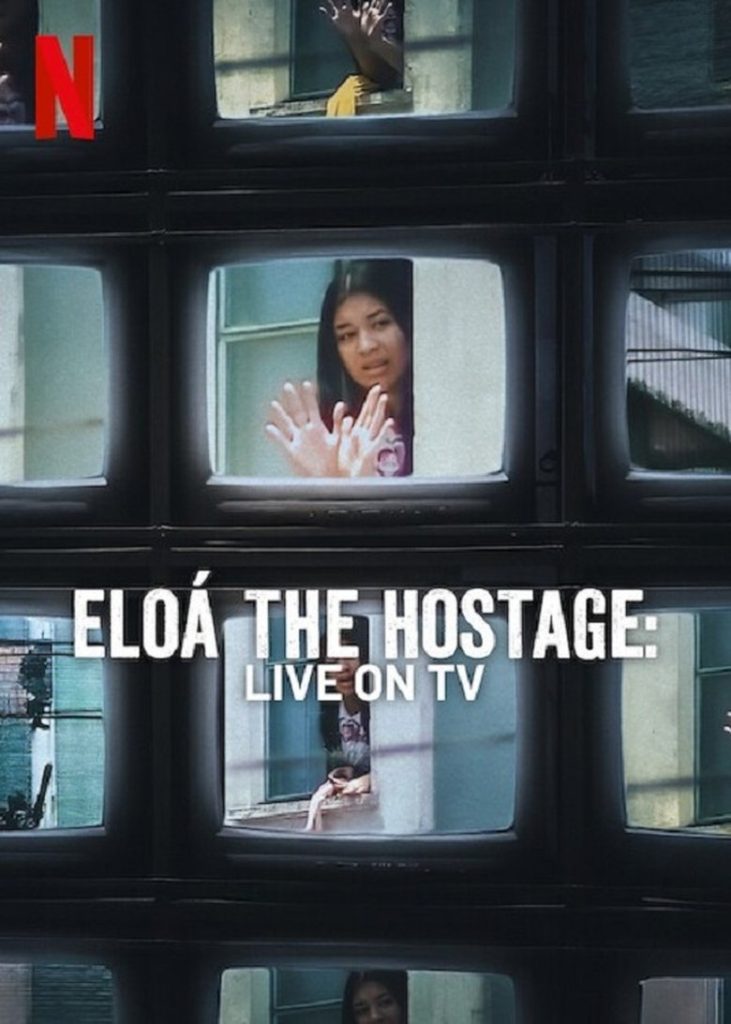
This documentary examines the 2008 Brazilian hostage case where a 15-year-old girl was held captive by her ex-boyfriend for 100 hours while television networks broadcast the situation live. Through previously unseen diary entries, family interviews, and media coverage, the film explores the tragic events and their impact on those involved.
Parent Guide
A serious documentary about a real-life hostage situation with mature themes. Contains emotional intensity and disturbing content related to kidnapping and psychological manipulation.
Content breakdown
No graphic physical violence shown, but the entire premise involves a hostage situation with implied threats. Tense situations and psychological peril throughout. Reenactments and news footage show the standoff and police presence.
Highly disturbing due to the real-life tragedy of a teenager held captive. Psychological manipulation, emotional distress, and the exploitation of trauma through media coverage. Diary entries reveal the victim's fear and desperation. The tragic outcome is discussed.
May contain occasional strong language in interview segments or news footage, but not pervasive. Portuguese dialogue with subtitles.
No sexual content or nudity. The relationship between victim and perpetrator is discussed but not depicted sexually.
No substance use depicted or discussed.
High emotional intensity throughout. Family interviews show grief and trauma. The victim's diary entries are emotionally raw. The media's role in broadcasting private tragedy adds another layer of emotional complexity.
Parent tips
This documentary deals with mature themes including kidnapping, emotional manipulation, and media exploitation. It contains reenactments and real footage that may be distressing. Best suited for mature teens who can process complex real-world trauma. Watch together to provide context and support.
Parent chat guide
Parent follow-up questions
—
—
- What would you do if you saw someone being treated unfairly on TV?
- Why do you think the TV stations kept showing this story?
- How does media coverage affect our perception of real tragedies?
- What responsibilities do journalists have when covering sensitive stories?
- What warning signs might indicate an unhealthy relationship?
- How can communities better support victims of trauma?
🎭 Story Kernel
The film dissects the 2008 Eloá Pimentel case not just as a crime, but as a systemic failure of ethics. It explores the spectacularization of tragedy, where television networks bypassed police cordons to interview a kidnapper live on air. By prioritizing sensationalism over the victim's safety, the media transformed a private crisis into a national reality show. The narrative serves as a grim reminder of how the hunger for audience engagement can weaponize a microphone, turning journalists into unwitting accomplices. It questions the responsibility of the press and the voyeuristic nature of the public, suggesting that the tragedy was as much a product of a media circus as it was the actions of a single man. It is a profound meditation on the lethal intersection of true crime and broadcast profit.
🎬 Visual Aesthetics
Cris Ghattas utilizes a haunting montage of archival footage, juxtaposing the frantic, low-resolution television broadcasts of 2008 with sterile, high-definition contemporary interviews. The visual language emphasizes the claustrophobia of the apartment in Santo André, framed against the sprawling, chaotic crowds below. Symbolically, the recurring image of the television screen acts as a barrier and a bridge, illustrating how the lens both distances the viewer from the reality of the pain and draws them into the thrill of the hunt. The editing is rhythmic and tense, mirroring the 100-hour standoff's escalating pressure. The use of silence in modern segments contrasts sharply with the cacophony of the original news reports, highlighting the somber reflection that only time can provide. This aesthetic choice underscores the transition from live chaos to historical accountability.
🔍 Details & Easter Eggs
💡 Behind the Scenes
Director Cris Ghattas is a prominent figure in Brazilian true crime, having worked extensively on the 'Investigação Criminal' series. The documentary was produced using hundreds of hours of original broadcast material, much of which required extensive legal clearance due to the sensitive nature of the media's interference. It was released during a period of renewed interest in Brazilian femicide cases, aiming to provide an ethical critique compared to the tabloid-style coverage of the 2000s. The film has since become a standard case study in Brazilian journalism schools regarding the ethics of live reporting.
Where to watch
Choose region:
- Netflix
- Netflix Standard with Ads