
Emancipation (2022)
Story overview
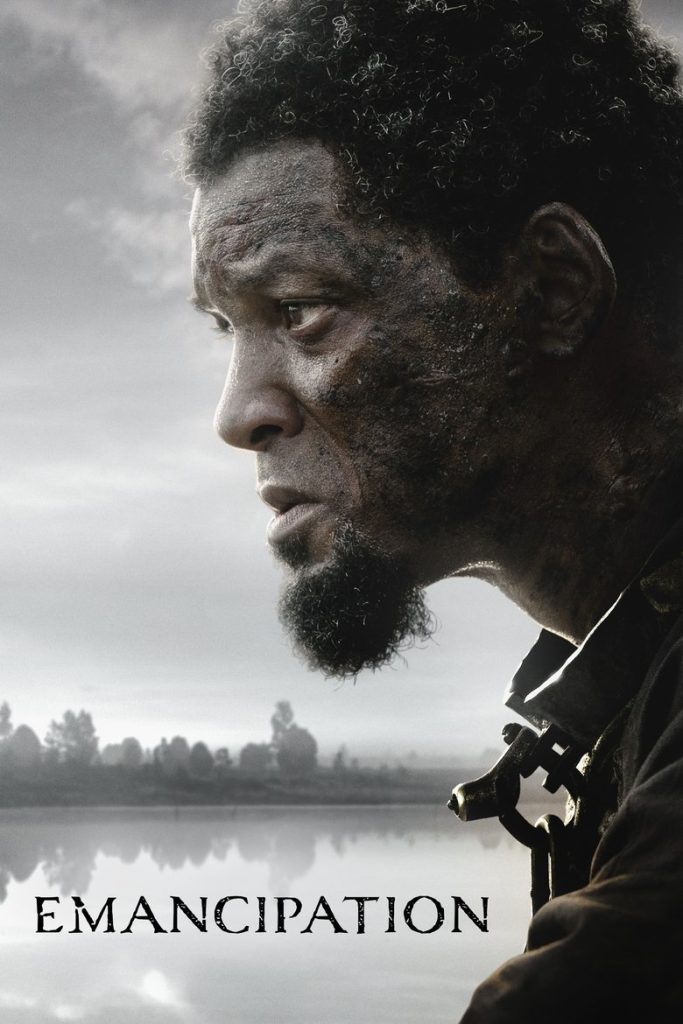
Emancipation is a historical drama set during the American Civil War, focusing on the struggle for freedom. It follows a man's harrowing journey to escape slavery and join the Union Army. The film depicts the brutal realities of war and the fight for human dignity.
Parent Guide
A mature historical drama with intense content, suitable only for older teens and adults.
Content breakdown
Graphic depictions of violence, peril, and wartime brutality.
Disturbing themes of slavery, racism, and human suffering.
May include strong language consistent with the setting.
Possible non-graphic references or implications.
No notable substance use depicted.
High emotional intensity due to heavy themes and violence.
Parent tips
This R-rated film contains intense violence, peril, and disturbing themes related to slavery and war. It is not suitable for young children. Parents should watch it first to assess its appropriateness for mature teenagers, considering its graphic and emotionally heavy content.
Parent chat guide
Parent follow-up questions
- What does freedom mean?
- How can we be kind to everyone?
- What makes a person brave?
- Why was slavery wrong?
- How did people help each other in the story?
- What can we learn from history?
- What challenges did the main character face?
- How does the film show the importance of freedom?
- What role did courage play in the story?
- How does the film depict the brutality of slavery?
- What historical accuracy did you notice?
- How can we apply lessons from this history today?
🎭 Story Kernel
At its core, 'Emancipation' is less about the physical journey from slavery to Union lines and more about the psychological reclamation of humanity. Peter's drive isn't just survival—it's the refusal to let his captors define him, symbolized by the haunting photograph of his scarred back. The film argues that emancipation begins internally, through maintaining dignity and connection (to family, to God) in dehumanizing conditions. The antagonists represent different facets of oppressive systems: Fassel's cold bureaucracy, the trackers' brutal pragmatism. The real tension isn't whether Peter escapes, but whether he can escape with his soul intact.
🎬 Visual Aesthetics
Director Antoine Fuqua and cinematographer Robert Richardson employ a desaturated, near-monochrome palette—washed-out greens and browns—that makes the swamp feel like a bleak, otherworldly prison. This aesthetic emphasizes the moral grayscale of the era. The camera often adopts Peter's subjective viewpoint: shaky, close, and claustrophobic during chases, contrasting with wider, more stable shots when he's momentarily safe. The most striking visual choice is the recurring motif of the scarred back, filmed with unflinching, almost documentary-like stillness, forcing the audience to confront the physical ledger of brutality.
🔍 Details & Easter Eggs
💡 Behind the Scenes
Will Smith trained extensively with a Navy survival expert to authentically portray Peter's physical ordeal. The film was shot primarily in Louisiana, with the oppressive swamp sequences filmed in actual wetlands, adding to the visceral authenticity. The iconic photograph of 'Whipped Peter' that inspired the film is real, taken in 1863 and published in Harper's Weekly; production meticulously recreated the scarring makeup based on the historical image. Director Antoine Fuqua intentionally limited the color palette to evoke period photography and focus attention on texture and contrast.
Where to watch
Choose region:
- Apple TV
- Apple TV Amazon Channel
- Amazon Video
- Google Play Movies
- YouTube
- Fandango At Home
Trailer
Trailer playback is unavailable in your region.