
Empire of Dreams: The Story of the Star Wars Trilogy (2004)
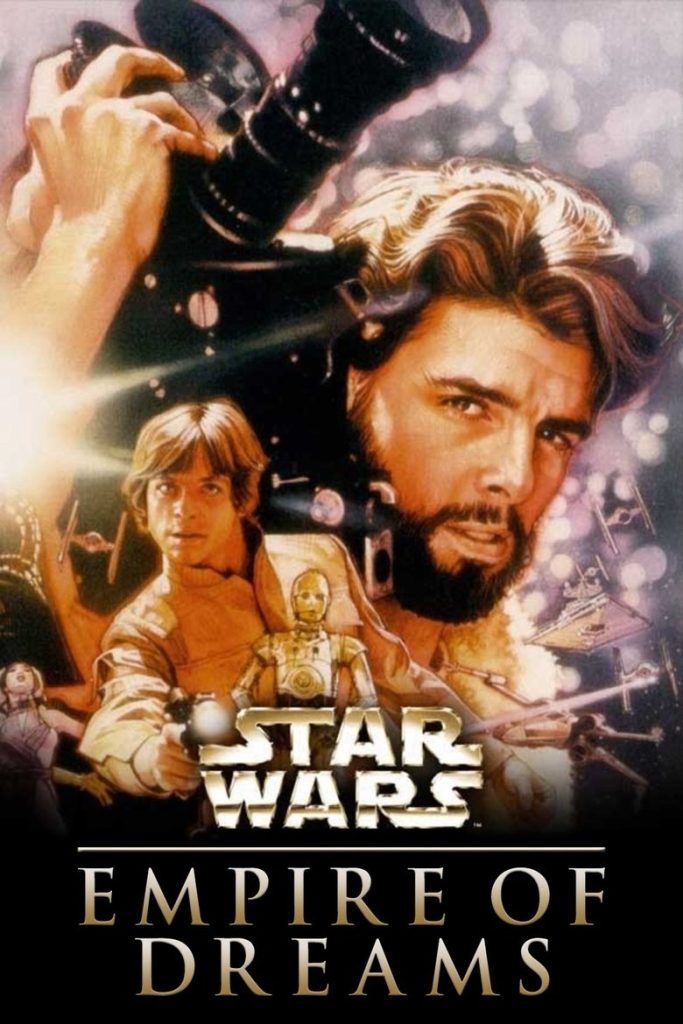
Story overview
This documentary chronicles the creation of the original Star Wars trilogy, from George Lucas's initial vision through production challenges to its cultural impact. It features interviews with key creators like Lucas, Steven Spielberg, and cast members, along with behind-the-scenes footage showing filmmaking techniques, special effects development, and the trilogy's enduring legacy.
Parent Guide
A family-friendly documentary suitable for Star Wars fans of all ages. Contains no objectionable content but may be too detailed for very young children.
Content breakdown
No violence shown. Brief discussion of fictional battles in Star Wars films but no graphic depictions.
Nothing scary or disturbing. Includes behind-the-scenes footage showing how creatures and effects were created.
No profanity or inappropriate language.
No sexual content or nudity.
No depiction or discussion of substance use.
Mild emotional moments when creators discuss challenges and successes. Some nostalgic reflection on the trilogy's impact.
Parent tips
This documentary is appropriate for most children who enjoy Star Wars, but younger viewers may find some technical discussions slow. The 2.5-hour runtime might be long for attention spans under age 8. No concerning content exists, but consider watching in segments for younger fans.
Parent chat guide
Parent follow-up questions
- Which Star Wars character is your favorite?
- Did you see any spaceships in the movie?
- What was the most exciting part?
- What challenges did George Lucas face making Star Wars?
- How did they create the special effects without computers?
- Why do you think Star Wars became so popular?
- How did the documentary change your understanding of filmmaking?
- What creative risks did Lucas take that paid off?
- How did the trilogy reflect the time period when it was made?
- How did Star Wars transform Hollywood's approach to blockbusters?
- What ethical questions arise about creative control versus studio demands?
- How does the documentary portray the balance between artistic vision and commercial success?
🎭 Story Kernel
The film expresses the triumph of obsessive vision over relentless adversity. It's not just about making movies—it's about how a singular, uncompromising creator (Lucas) and a team of underdogs transformed personal anxieties and technical limitations into mythic storytelling. What drives the characters isn't ambition for fame, but a desperate need to prove that unconventional ideas could work against an indifferent Hollywood system. The real conflict is between Lucas' internal perfectionism and the external chaos of production, with the trilogy's completion representing a miraculous alignment of creative will and collaborative ingenuity.
🎬 Visual Aesthetics
The documentary employs a nostalgic, archival aesthetic—grainy behind-the-scenes footage contrasts with pristine film clips, visually reinforcing the gap between messy reality and polished fantasy. Camera work favors intimate, shaky handheld shots of stressed creators, making their triumphs feel earned. Color palettes shift from the warm, sun-bleached tones of Tunisian desert shoots to the sterile grays of ILM workshops, mapping the journey from organic inspiration to technical innovation. Symbolically, repeated shots of miniature models being painstakingly assembled mirror the trilogy's theme of small forces overcoming colossal empires.
🔍 Details & Easter Eggs
💡 Behind the Scenes
Mark Hamill severely injured his face in a car accident between A New Hope and Empire, forcing Lucas to rewrite Empire's opening to explain Luke's new scar. The famous Tauntaun guts were made from repurposed condoms filled with fake blood and organ material. Kenny Baker, inside R2-D2, often couldn't see or hear direction, so operators had to push him blindly through scenes. The documentary reveals that the iconic lightsaber hum was created by combining the buzz of an old film projector with TV interference.
Where to watch
Choose region:
- Disney Plus
Trailer
Trailer playback is unavailable in your region.