
End of Watch (2012)
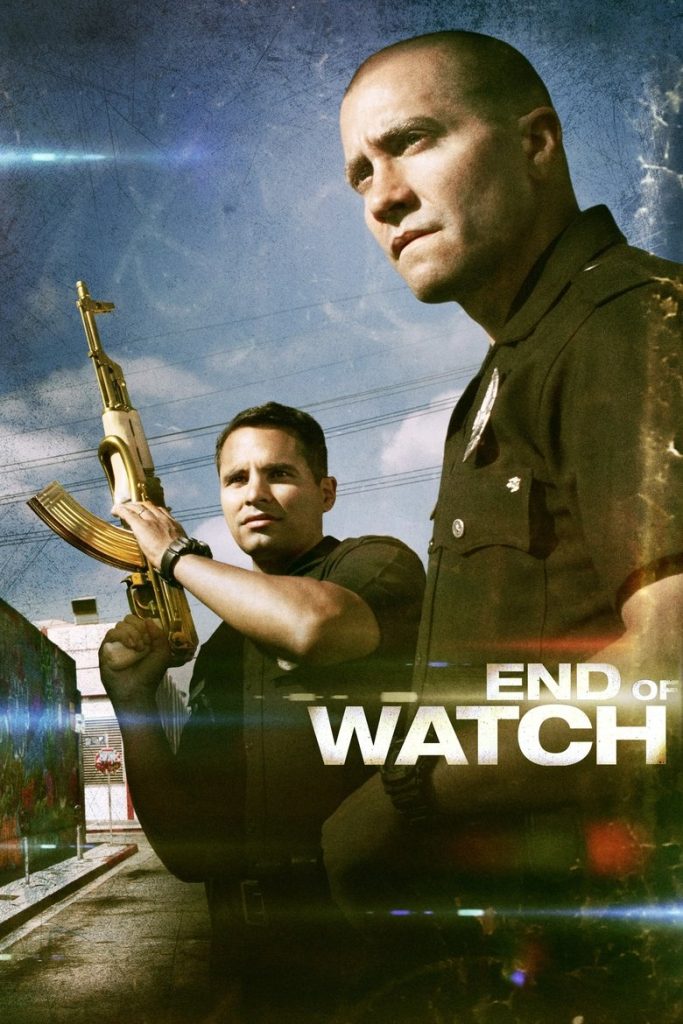
Story overview
End of Watch follows two Los Angeles police officers as they patrol the city's streets, developing a close partnership while facing daily dangers. The film depicts their personal lives and professional challenges through a documentary-style approach. It explores themes of loyalty, sacrifice, and the realities of police work in high-crime areas.
Parent Guide
Intense police drama with graphic violence and mature content suitable only for older teens and adults.
Content breakdown
Frequent intense violence including shootings, physical assaults, and criminal activities. Police confrontations and life-threatening situations are depicted realistically.
Disturbing criminal activities, tense situations, and realistic danger create sustained intensity. The documentary style adds to the unsettling atmosphere.
Frequent strong profanity throughout, including racial slurs and graphic language typical of police/criminal settings.
Sexual references and discussions, brief sexual situations, but no explicit nudity shown.
Alcohol consumption in social settings, references to drug use and drug-related crimes.
High-stress situations, life-and-death scenarios, and emotional bonds between characters create sustained tension and dramatic impact.
Parent tips
This R-rated crime drama contains intense violence, strong language, and mature themes unsuitable for younger viewers. Parents should be aware that the film portrays graphic police work including shootings, criminal violence, and disturbing situations. The documentary-style filming creates a raw, immersive experience that may be particularly unsettling for sensitive viewers.
Parent chat guide
Parent follow-up questions
- What do police officers do to help people?
- How do friends help each other when they're scared?
- What are some safe things to do if you see something dangerous?
- Why is it important for police officers to work together?
- How do the officers show they care about their community?
- What would you do if you saw someone needing help?
- How does the film show the challenges of police work?
- What does the movie suggest about friendship under pressure?
- How do the officers balance their personal and professional lives?
- How does the documentary style affect your perception of the events?
- What commentary does the film make about urban violence and policing?
- How are themes of sacrifice and duty portrayed in the officers' relationship?
🎭 Story Kernel
At its core, 'End of Watch' is a profound exploration of the thin blue line as a sacred bond, transcending mere duty. The film expresses how police work, in its brutal mundanity and sudden violence, forges an unbreakable fraternity between partners Brian Taylor and Mike Zavala. Their drive isn't just to serve and protect the city, but to protect each other, a commitment that becomes their ultimate purpose. The narrative contrasts their deeply personal, almost familial loyalty with the impersonal, predatory nature of the cartel they inadvertently cross, framing their partnership as the only true sanctuary in a world of institutional failure and random cruelty. The ending cements this: their bond is the story's true heartbeat, outlasting even death.
🎬 Visual Aesthetics
The film's visual grammar is its genius, masterfully blending gritty, handheld found-footage from body cams and personal cameras with traditional cinematic framing. This creates a disorienting, immersive authenticity, placing the viewer directly in the patrol car's passenger seat. The color palette is desaturated and realistic, dominated by the grays and blues of the LAPD uniform and the harsh fluorescent lights of interiors, punctuated by the stark flashes of muzzle fire. Action is chaotic and visceral, devoid of stylized heroics; the camera shakes, focus is lost, making every confrontation feel terrifyingly immediate. The recurring motif of the dashboard camera frames their partnership as the central, unwavering narrative amidst the surrounding urban decay.
🔍 Details & Easter Eggs
💡 Behind the Scenes
To achieve brutal realism, actors Jake Gyllenhaal and Michael Peña underwent a grueling five-month training regimen with real LAPD officers, including ride-alongs. Director David Ayer, a former gang member and LAPD explorer, drew heavily from his own experiences. The film was shot almost entirely on location in South Los Angeles, using real neighborhoods and residents as extras. Notably, many of the gang members and cartel figures portrayed are played by actual former gang members, adding a layer of chilling authenticity to the antagonistic forces.
Where to watch
Choose region:
- fuboTV
- HBO Max
- HBO Max Amazon Channel
- Cinemax Amazon Channel
- Cinemax Apple TV Channel
- Amazon Video
- Apple TV
- Google Play Movies
- YouTube
- Fandango At Home
Trailer
Trailer playback is unavailable in your region.