
Escape from Kabul (2021)
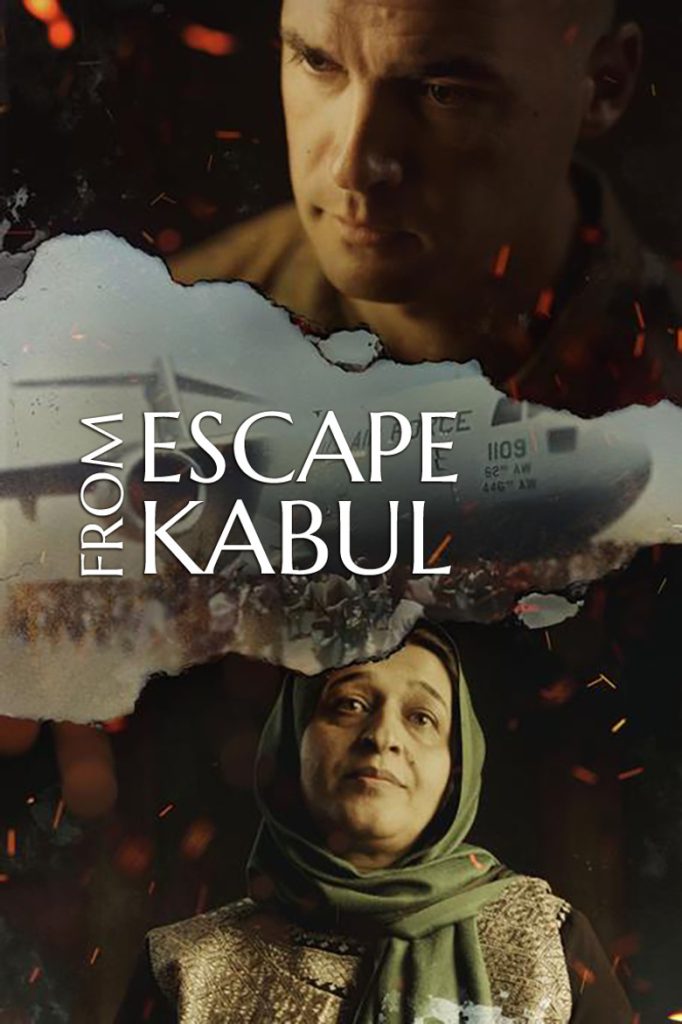
Story overview
This documentary chronicles the chaotic 18-day evacuation from Kabul Airport in August 2021 after the Taliban takeover of Afghanistan. It combines archival footage with interviews from multiple perspectives: Afghan citizens desperately trying to escape, U.S. Marines managing the evacuation, and Taliban commanders who had just seized the city. The film provides a raw, immersive look at this historic humanitarian crisis without fictionalization.
Parent Guide
A documentary about real-world conflict and humanitarian crisis with emotional intensity but minimal graphic content. Best for mature middle schoolers and teens who can process complex geopolitical situations.
Content breakdown
While no graphic violence is shown, the film depicts real peril including crowds in distress, military presence, and discussions of violence. There are scenes of people in life-threatening situations trying to evacuate.
The documentary shows real people in desperate situations, emotional interviews with those fearing for their lives, and the chaos of evacuation. The tension and uncertainty create disturbing emotional content despite no horror elements.
Occasional mild language may be present in interviews or archival audio. No frequent strong profanity expected in this documentary format.
No sexual content or nudity in this documentary about military evacuation.
No substance use depicted in this documentary about evacuation operations.
High emotional intensity throughout as the film documents a real humanitarian crisis with people fearing for their lives, families being separated, and the desperation of evacuation. Interviews are emotionally charged and may be upsetting to sensitive viewers.
Parent tips
This documentary contains intense real-world situations that may be disturbing for younger viewers. Consider watching it with older children (13+) to provide context and discuss the complex geopolitical issues. The film shows crowds in distress, military operations, and emotional interviews about life-and-death situations. There's no graphic violence shown, but the tension and peril are palpable throughout.
Parent chat guide
Parent follow-up questions
—
- What did you notice about how people were helping each other?
- How do you think the children in the film were feeling?
- What responsibilities do countries have when they've been involved in another country's affairs?
- How do you think journalists decide what to show in documentaries like this?
- What ethical dilemmas did the U.S. Marines face during the evacuation?
- How does this documentary balance different perspectives on the Taliban takeover?
- What long-term consequences might result from this evacuation?
🎭 Story Kernel
The film's core isn't about the mechanics of escape, but the systematic collapse of human compassion under the weight of protocol and geopolitical calculation. It expresses the brutal arithmetic of triage in a failing state, where lives become numbers on a manifest. Characters are driven not by traditional heroism, but by a desperate, often futile, adherence to duty and procedure in the face of overwhelming chaos. The real tension stems from the conflict between rigid institutional rules and the fluid, desperate humanity at the gates, revealing how salvation itself can be a cold, bureaucratic process.
🎬 Visual Aesthetics
The visual language is one of suffocating immediacy, dominated by handheld camerawork that places the viewer directly in the panicked crowd. The color palette is desaturated, bleached by dust and desperation, with the stark contrast of military green and concrete gray against vibrant civilian clothing, highlighting the 'us vs. them' divide. Action is presented not as choreographed spectacle but as chaotic, visceral surges of bodies. Key symbolism lies in the repeated shots of gates and fences—not as barriers keeping danger out, but as cages trapping hope within, framing the airport as both sanctuary and prison.
🔍 Details & Easter Eggs
💡 Behind the Scenes
To achieve unparalleled authenticity, the production filmed key exterior crowd sequences at an active airbase in Spain, utilizing thousands of local extras to replicate the scale and tension of the actual Kabul airport perimeter. Many of the Afghan civilian roles were portrayed by actors who were themselves refugees or had direct experience of the evacuation, bringing a palpable layer of genuine trauma and resilience to their performances. The film's sound design incorporated actual radio traffic and field recordings from August 2021, layered into the mix to create an aural landscape of undeniable, distressing realism.
Where to watch
Choose region:
- HBO Max
- HBO Max Amazon Channel
Trailer
Trailer playback is unavailable in your region.