
Eternal Sunshine of the Spotless Mind (2004)
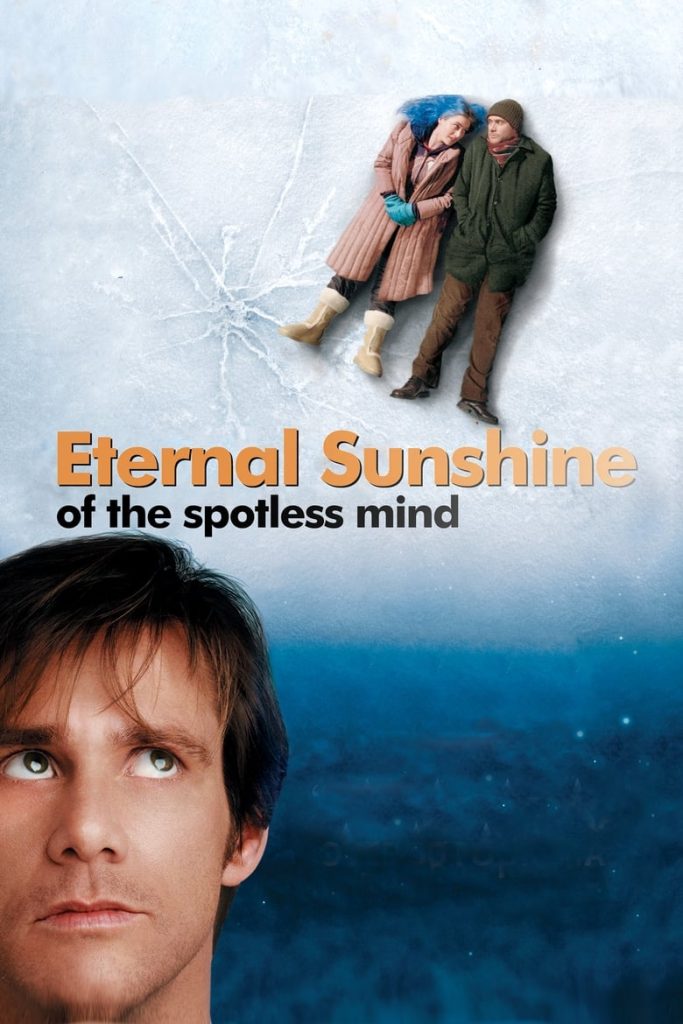
Story overview
This science fiction drama explores a couple's relationship through the lens of memory erasure technology. When Joel discovers his ex-girlfriend Clementine has had him removed from her memories, he undergoes the same procedure. During the process, he relives their memories and realizes he still loves her, leading to a race against time to preserve their connection. The film examines themes of love, loss, and whether forgetting painful memories is truly beneficial.
Parent Guide
A thought-provoking film about memory and relationships with mature content best suited for older teens.
Content breakdown
Some tense arguments and emotional confrontations between characters. No physical violence depicted.
Abstract visual sequences as memories fade, emotional distress scenes, and the unsettling concept of memory erasure.
Some strong language including profanity, though not excessive. Typical of R-rated dialogue.
Sexual situations and references, brief nudity in non-graphic contexts. Romantic relationships are central to the plot.
Social drinking in some scenes. No prominent drug use depicted.
High emotional content dealing with heartbreak, regret, and the pain of failed relationships. Characters experience significant emotional distress.
Parent tips
This R-rated film contains mature themes about relationships, memory, and emotional pain that are best suited for older teenagers. The nonlinear storytelling and abstract visual sequences may confuse younger viewers. Parents should be aware that the film includes some strong language, sexual content, and scenes depicting emotional distress and relationship conflicts.
While the science fiction elements are thought-provoking, the core of the film deals with adult relationships and the consequences of trying to erase painful memories. The film's complex narrative structure requires sustained attention and emotional maturity to appreciate fully.
Parent chat guide
Encourage teens to reflect on how the characters' decisions affect their lives and what alternatives might have been healthier. Discuss the film's exploration of whether technology can solve emotional problems and the value of working through challenges rather than avoiding them.
Parent follow-up questions
- What colors did you see in the movie?
- Did you see any happy faces or sad faces?
- What was your favorite part to watch?
- How did the movie make you feel?
- Did you see any friends in the movie?
- What do you think memories are?
- Have you ever wanted to forget something that made you sad?
- What makes a good friend?
- How do people show they care about each other?
- What was confusing about the movie?
- Why do you think the characters wanted to erase their memories?
- How do our memories help us learn from mistakes?
- What are healthy ways to deal with sad feelings?
- How does the movie show that relationships take work?
- What would you do if you could erase bad memories?
- What does the film suggest about the relationship between pain and personal growth?
- How does the nonlinear storytelling affect your understanding of the characters?
- What ethical questions does the memory erasure technology raise?
- How do the characters' communication patterns affect their relationship?
- What alternatives to memory erasure might have helped the characters?
🎭 Story Kernel
The film's core theme isn't about whether love can survive memory loss, but whether our identities can. Joel and Clementine's relationship is defined by their specific, flawed memories of each other. The procedure's failure reveals that memory isn't data storage but the architecture of self. Their subconscious fight to preserve memories—even painful ones—demonstrates that we are our experiences, not just our happiness. The ending's ambiguous reunion suggests they're choosing the same painful patterns because those patterns are who they are, not in spite of the pain but because of it.
🎬 Visual Aesthetics
Gondry's visual language physically manifests memory's decay. The handheld, grainy 16mm footage for present scenes contrasts with the cleaner, more surreal memory sequences. As memories dissolve, environments literally collapse—houses shrink, books lose text, people's faces blur. The color palette shifts with emotional tone: warm oranges for happy memories, cold blues for painful ones. Most strikingly, the camera often stays tight on Jim Carrey's face during memory erasures, making the audience experience the claustrophobia of losing one's internal world.
🔍 Details & Easter Eggs
💡 Behind the Scenes
Jim Carrey performed most memory-erasure scenes lying on a gurney with cameras inches from his face for hours, creating genuine claustrophobia. The chaotic beach house was a real Montauk location left exactly as found. Kate Winslet suggested Clementine's ever-changing hair colors to reflect her unstable identity. Charlie Kaufman wrote the script as 'a breakup movie' before adding sci-fi elements, drawing from his own relationship patterns.
Where to watch
Choose region:
- Amazon Video
- Apple TV
- Google Play Movies
- YouTube
- Fandango At Home
- Spectrum On Demand
Trailer
Trailer playback is unavailable in your region.