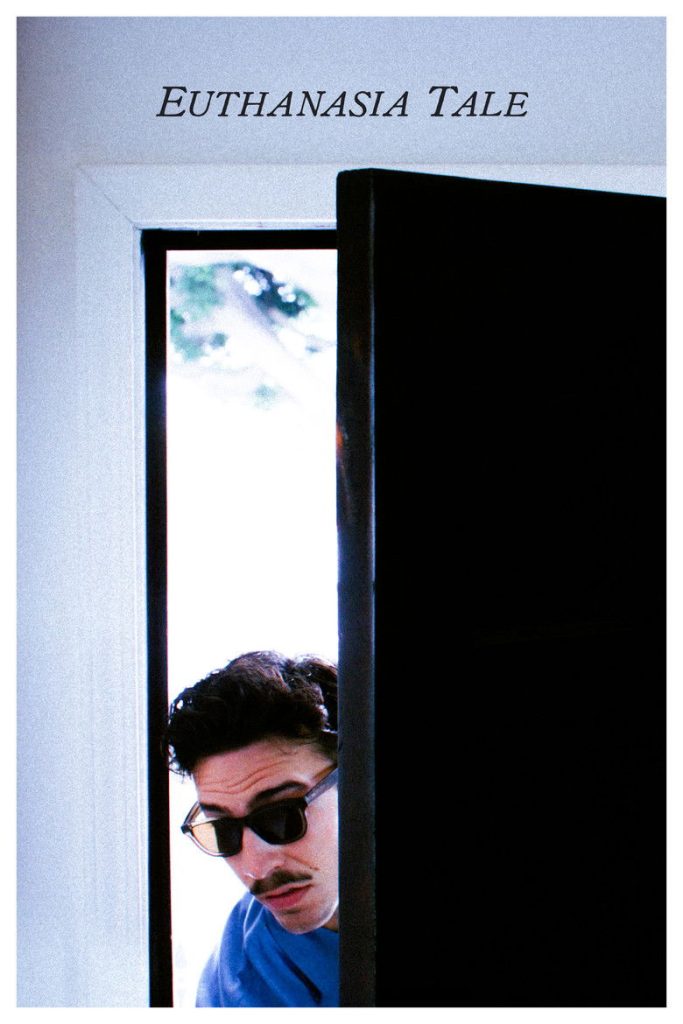
Euthanasia Tale (2026)
Story overview
In this 7-minute episode from the anthology series 'A Moment In Time', a professional hitman faces an unusual and challenging target that tests his skills and possibly his moral boundaries. The blend of thriller and comedy genres suggests tense moments balanced with humorous elements, though the short runtime means the story unfolds quickly.
Parent Guide
A brief thriller/comedy episode about a hitman facing an unusual target. The short runtime and comedic elements likely soften intense content, but the hitman premise involves violence themes. Best for older children who can distinguish fiction from reality.
Content breakdown
Central theme involves a hitman (assassin), implying violence and peril. Actual depiction may be limited due to short runtime and comedy blend, but the premise revolves around lethal intent.
Thriller elements could create tension, but comedy likely offsets scares. The hitman concept might be unsettling for sensitive viewers, though not graphically portrayed.
No specific language info provided. As a short episode, likely minimal strong language, but some mild expressions possible given genres.
No indication of sexual content or nudity in provided info. Unlikely in this brief format focused on hitman narrative.
No substance use indicated. Not a focus in this short episode about a professional encounter.
Some tension from thriller elements and moral ambiguity of hitman premise, but comedy and short duration likely keep intensity low. May prompt brief reflection on right/wrong.
Parent tips
This is a very short episode (7 minutes) from a series, so exposure is limited. The thriller/comedy mix means there might be some tense moments but likely with lighter, humorous undertones. Since it's part of an anthology, it stands alone but may reference broader themes. Preview if concerned about the hitman premise.
Parent chat guide
Parent follow-up questions
—
- What was the funniest part of the episode?
- How did the hitman feel about his job?
- Why do you think this target was challenging for the hitman?
- How does the comedy affect the thriller aspects?
- What moral questions might this episode raise about the hitman's profession?
- How does the short format impact storytelling in this genre blend?
🎭 Story Kernel
The film's core isn't about the ethics of assisted dying, but about the illusion of autonomy in a world of predetermined suffering. The protagonist's journey reveals that her 'choice' for euthanasia is actually a surrender to societal pressures, familial expectations, and her own diminishing sense of self. What drives her isn't terminal illness, but terminal loneliness—the medical diagnosis merely provides the socially acceptable justification. The supporting characters aren't helpers but mirrors: her daughter represents the burden of legacy, her doctor embodies institutionalized compassion, and her estranged husband reflects the life she believes she failed to live. The film's devastating truth emerges in the final act—she chooses death not because life has become unbearable, but because she can no longer bear being herself.
🎬 Visual Aesthetics
The cinematography employs a deliberate visual paradox: warm, saturated colors dominate scenes of illness and decline, while cold, desaturated tones accompany moments of supposed vitality. This inverted palette suggests the protagonist's distorted perception—what society sees as 'living' feels dead to her, while her approaching death feels vibrantly real. Camera movements are predominantly static during dialogue scenes, creating a sense of entrapment, but become fluid and handheld during flashbacks, suggesting memory as the only remaining freedom. The most striking visual motif is the recurring focus on hands—clasping, releasing, trembling—which becomes the film's silent language of connection and release. Windows and doorframes frame nearly every shot, visually reinforcing the theme of thresholds between existence and cessation.
🔍 Details & Easter Eggs
💡 Behind the Scenes
The lead actress actually fasted for three days before filming the hospital scenes to authentically portray physical weakness, though the director initially objected for safety reasons. The minimalist apartment set was constructed inside a decommissioned tuberculosis sanatorium, whose history subtly influenced the production design's emphasis on medical spaces as sites of both healing and surrender. Notably, the film's sound designer recorded actual hospital equipment but processed the sounds through vintage tape delays, creating the distinctive 'echo of mortality' that haunts the soundtrack. The script underwent seventeen revisions, each removing more explicit moral commentary until only ambiguous human moments remained.
Where to watch
Streaming availability has not been announced yet.