
Everest (2015)
Story overview
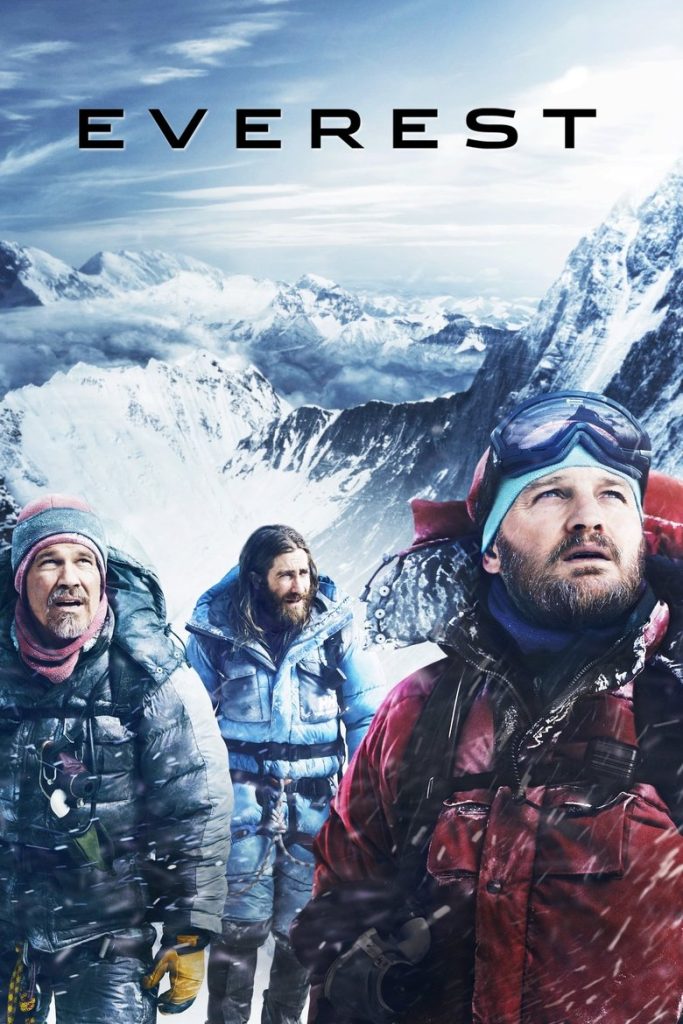
Everest is a 2015 adventure drama based on true events, following two expeditions attempting to summit Mount Everest in 1996. When a devastating snowstorm strikes, the climbers face extreme peril, testing their physical and emotional limits in a desperate struggle for survival against nature's fury.
Parent Guide
A tense survival drama based on true events with moderate peril and strong emotional intensity. Suitable for mature pre-teens and teens who can handle realistic danger and mortality themes.
Content breakdown
Intense survival situations with characters falling, suffering injuries, and facing life-threatening conditions. Several characters die from exposure, falls, or altitude sickness. While not graphically violent, the peril is realistic and sustained.
Disturbing scenes of characters struggling to survive in extreme conditions, showing frostbite, exhaustion, and distress. The constant threat of the storm and mountain creates sustained tension. Emotional scenes of characters saying goodbye to loved ones.
Occasional mild profanity (hell, damn) in stressful situations. No strong or frequent swearing.
No sexual content or nudity. Characters are fully clothed in winter gear throughout.
Brief social drinking in early scenes. Some characters use oxygen tanks and medical supplies appropriately for high-altitude climbing.
High emotional stakes throughout as characters face life-or-death decisions. Themes of sacrifice, mortality, and human limits. Several emotional phone calls to loved ones. The film deals with grief and loss directly.
Parent tips
This film depicts intense survival situations with realistic peril, injury, and death. While not graphically violent, it shows the harsh realities of mountain climbing accidents and fatalities. The emotional intensity is high as characters face life-or-death decisions. Best for mature children who can handle realistic danger themes.
Parent chat guide
Parent follow-up questions
—
- What made climbing the mountain so dangerous?
- How did the climbers help each other?
- What would you do if you were caught in a storm?
- Why do you think people risk their lives to climb Everest?
- How did different characters handle the crisis differently?
- What safety measures could have prevented some tragedies?
- How does the film balance adventure with tragedy?
- What ethical questions does the survival situation raise?
- How accurate do you think the portrayal of mountaineering culture is?
- What does the film say about human ambition versus nature?
🎭 Story Kernel
The film's core theme is the collision between human ambition and indifferent nature, framed through the commercialization of extreme adventure. It's not a survival story but a critique of how ego, business, and the myth of 'personal achievement' create fatal vulnerabilities. Characters are driven by a mix of personal validation, professional pride, and the seductive promise of a summit photo—motivations that become tragically irrelevant when the storm hits. The real antagonist is the collective failure to respect the mountain's absolute authority, revealing how modern infrastructure (radio, forecasts, guides) fosters a dangerous illusion of control.
🎬 Visual Aesthetics
The visual language masterfully conveys scale and isolation. Wide, static shots emphasize the climbers' insignificance against vast, frozen landscapes, while tight close-ups in tents capture claustrophobic dread. The color palette shifts from the warm, earthy tones of base camp to the blinding, monochromatic blue-whites of the Death Zone, stripping away comfort and familiarity. The camera often adopts a subjective, labored perspective during climbs—shaky, breath-heavy—immersing us in the physical ordeal. Notably, the storm isn't dramatized with chaotic editing; instead, it's portrayed as a vast, enveloping white void, making nature's power feel abstract and utterly inescapable.
🔍 Details & Easter Eggs
💡 Behind the Scenes
To achieve authenticity, much of the film was shot on location in the Italian Alps and at Pinewood Studios, with some scenes filmed in Nepal at Everest base camp. The actors underwent rigorous altitude training and used real climbing gear. Notably, Josh Brolin, who played Beck Weathers, actually experienced mild hypothermia during a shooting sequence. The production consulted extensively with survivors of the 1996 disaster, including Beck Weathers himself, and used firsthand accounts to shape the script's harrowing details.
Where to watch
Choose region:
- Peacock Premium
- History Vault
- Peacock Premium Plus
- Amazon Video
- Apple TV Store
- Google Play Movies
- YouTube
- Fandango At Home
Trailer
Trailer playback is unavailable in your region.