
Expedition China (2017)
Story overview
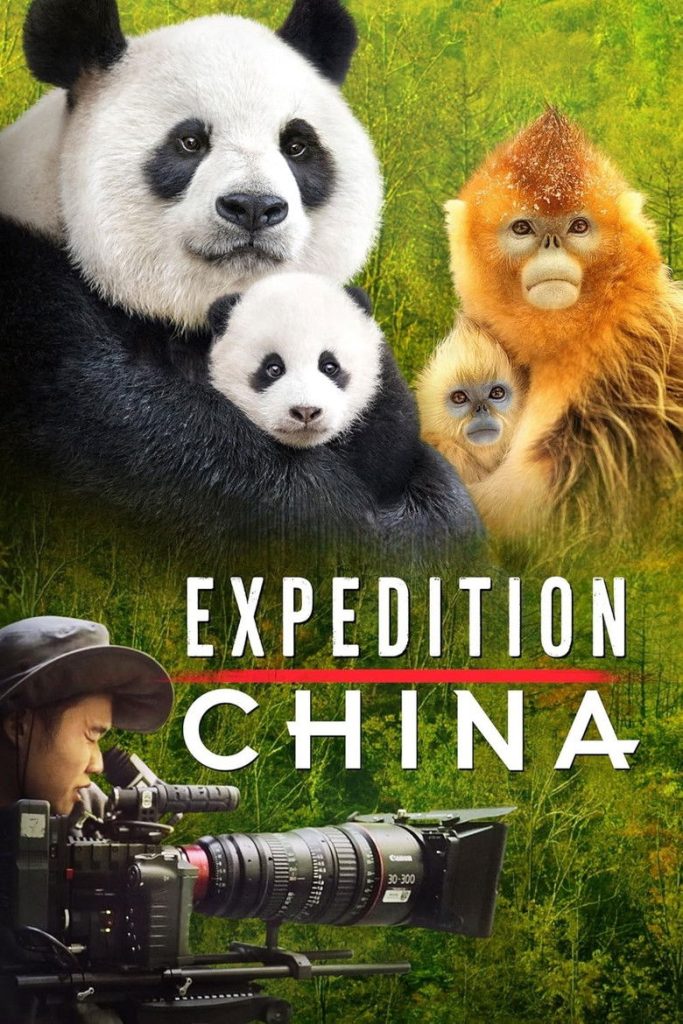
Expedition China is a 2017 documentary that takes viewers behind the scenes of Disneynature's 'Born in China,' showcasing the challenging and remote environments where the film was shot. It follows filmmakers as they capture wildlife in China's diverse landscapes, offering insights into documentary filmmaking and nature conservation.
Parent Guide
A safe, educational documentary with no concerning content. Ideal for family viewing to spark interest in nature and filmmaking.
Content breakdown
No violence or peril; scenes show natural animal behaviors without harm or danger to humans.
Nothing scary or disturbing; content is calm and focused on documentary-making and wildlife.
No inappropriate language; dialogue is educational and family-friendly.
No sexual content or nudity.
No substance use depicted.
Mild emotional moments related to the beauty of nature or filmmaking challenges, but nothing intense or upsetting.
Parent tips
This G-rated documentary is family-friendly and educational, focusing on nature and filmmaking. It's suitable for all ages, but younger children might need help understanding some concepts. Watch together to discuss wildlife, conservation, and the effort behind documentaries.
Parent chat guide
Parent follow-up questions
- Did you see any animals you liked?
- What colors did you see in nature?
- Was it fun to watch the movie?
- What did you learn about China's wildlife?
- How do you think the filmmakers got those shots?
- Why is it important to protect these places?
- What challenges did the filmmakers face?
- How does this documentary help conservation?
- What techniques were used to film the animals?
- What ethical considerations are there in wildlife filmmaking?
- How does this documentary compare to others?
- What impact does filmmaking have on conservation efforts?
🎭 Story Kernel
While ostensibly tracking a panda's release into the wild, 'Expedition China' is a quiet meditation on human intervention versus natural autonomy. The film's true protagonist isn't the panda, but the team of scientists whose emotional investment becomes the central conflict. Their professional detachment gradually erodes as they face the reality that their carefully planned intervention might be unnecessary—or even harmful. The climax isn't the panda's successful adaptation, but the scientists' reluctant acceptance that nature operates on its own terms, making their role more custodial than heroic. This creates a subtle tension between Western scientific methodology and the Chinese landscape's ancient rhythms.
🎬 Visual Aesthetics
The cinematography employs two distinct visual languages: sterile, clinical shots of the research facility (characterized by cool blues and harsh fluorescent lighting) contrast with the lush, organic textures of the Sichuan wilderness (dominated by emerald greens and misty grays). Director Chuan Lu uses drone shots not for spectacle but to emphasize scale—the panda appears increasingly insignificant against vast mountain ranges, mirroring the scientists' diminishing control. Most striking are the intimate close-ups of the panda's eyes during monitoring scenes, creating unsettling moments where the observed creature seems to study its observers back, challenging the human gaze.
🔍 Details & Easter Eggs
💡 Behind the Scenes
The production faced unprecedented challenges obtaining permits to film in Wolong National Nature Reserve, requiring three years of negotiations with Chinese authorities. Lead researcher Dr. Zhang Hemin, portrayed in the film, is China's actual 'Panda Daddy' who has overseen 300+ panda births. Notably, the crew used custom-built silent drones to avoid disturbing wildlife, and the 'released' panda was actually a trained animal actor—wild pandas were too dangerous to film at close range. The documentary's score incorporates traditional guqin melodies recorded in the same valleys shown on screen.
Where to watch
Choose region:
- Disney Plus
- Amazon Video
- Apple TV Store
- Google Play Movies
- YouTube
- Fandango At Home
Trailer
Trailer playback is unavailable in your region.