
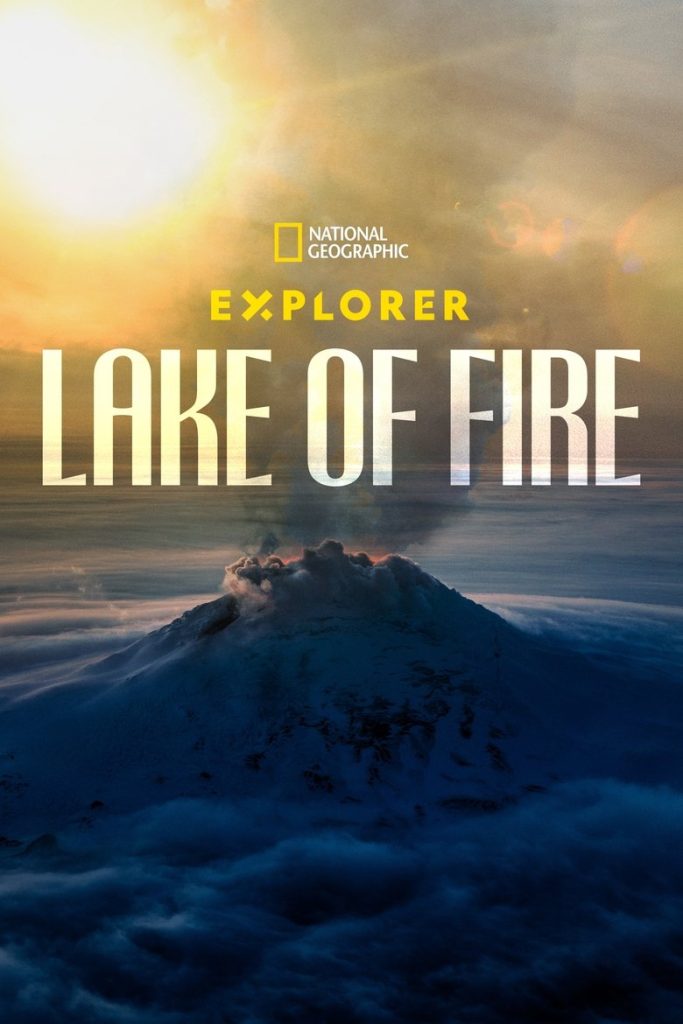
Explorer: Lake of Fire (2023)
Story overview
Explorer: Lake of Fire is a 2023 documentary adventure TV movie that explores a volcanic lake environment. The film likely follows researchers or adventurers as they investigate this unique natural phenomenon. Viewers can expect educational content about geology, ecosystems, and scientific exploration in challenging environments.
Parent Guide
Educational documentary adventure suitable for family viewing with moderate adventure elements.
Content breakdown
May include mild adventure peril typical of nature exploration documentaries.
Volcanic environments might be mildly intense for very young viewers.
Documentaries typically contain no offensive language.
No sexual content expected in nature documentary.
No substance use expected in educational documentary.
Moderate adventure elements may create mild excitement or tension.
Parent tips
This documentary adventure appears suitable for family viewing with its educational focus on natural science. Since it's a TV movie, it likely maintains appropriate content standards for general audiences. The adventure elements may include scenes of exploration in rugged environments, but without specific details about peril or intensity, it's reasonable to expect moderate adventure content typical of nature documentaries.
Parent chat guide
Parent follow-up questions
- What was your favorite part of the movie?
- Did you see any animals in the lake?
- What colors did you see in the water?
- What did you learn about volcanoes from this movie?
- Why do scientists study lakes like this?
- What equipment did the explorers use?
- How do volcanic lakes form differently from regular lakes?
- What challenges might researchers face studying this environment?
- What scientific methods were shown in the documentary?
- What environmental significance might this lake have?
- How does this documentary compare to other nature films you've seen?
- What career paths might involve this type of research?
🎭 Story Kernel
The film explores the human drive to confront the unknown, centered on an arduous expedition to Mount Michael on the remote Saunders Island. While the scientific objective is to confirm the existence of a rare, persistent lava lake, the narrative delves deeper into the psychological and physical endurance required to reach such a desolate location. It expresses the intersection of scientific curiosity and the primal urge for exploration, highlighting how the team must navigate the 'furious fifties' winds and treacherous terrain. The movie is less about the destination and more about the vulnerability of humans when pitted against the indifferent, violent forces of nature. It captures the obsession that fuels explorers to seek out the sublime, even when the environment is actively trying to repel their presence, making the 'Lake of Fire' a symbol of both discovery and danger.
🎬 Visual Aesthetics
Renan Öztürk employs his signature high-altitude cinematographic style to create a visual contrast between the monochromatic, ice-choked landscapes of the South Sandwich Islands and the incandescent, hellish glow of the volcanic crater. The film utilizes advanced drone cinematography to capture the sheer scale of Mount Michael, emphasizing the isolation of the team against the vast, churning Southern Ocean. The visual language is defined by a sense of atmospheric pressure; the constant presence of fog, steam, and volcanic gases creates a veil that the explorers must physically and metaphorically pierce. Symbolically, the camera work treats the volcano as a living entity, using tight shots of bubbling magma to represent the Earth's raw vitality. The lighting transitions from the cold, blue hues of the Antarctic environment to the warm, flickering oranges of the lava, reflecting the team's transition from the external world into the planet's interior.
🔍 Details & Easter Eggs
💡 Behind the Scenes
Director Renan Öztürk, a celebrated mountaineer and cinematographer known for 'Meru,' brought a unique 'athlete-filmmaker' approach to this National Geographic project. The expedition was a multidisciplinary effort led by volcanologist Emma Nicholson, requiring the team to endure a perilous sea voyage across the Southern Ocean before even beginning their ascent. The production faced significant technical hurdles, as the corrosive volcanic gases and sub-zero temperatures posed a constant threat to the camera gear and drone electronics. This project marks one of the few times such a remote and hostile volcanic environment has been captured with high-definition cinematic equipment.
Where to watch
Choose region:
- Disney Plus