
Explorer: The Last Tepui (2022)
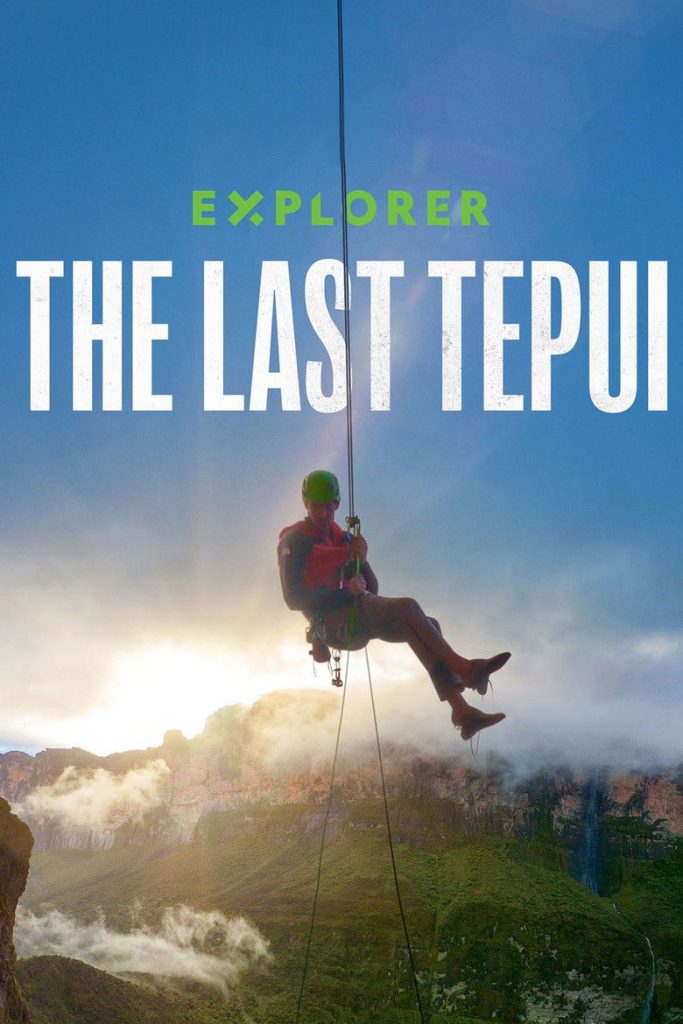
Story overview
Explorer: The Last Tepui is a 2022 documentary adventure film that follows a team of explorers and scientists as they embark on a challenging expedition to a remote tepui (table-top mountain) in South America. The film documents their journey through rugged terrain and their efforts to study the unique ecosystem found at the summit. It showcases the beauty of nature, scientific discovery, and human perseverance in extreme environments.
Parent Guide
A family-friendly documentary adventure focusing on exploration, science, and nature without concerning content.
Content breakdown
Some scenes show explorers navigating challenging terrain with inherent risks, but nothing graphic or intense.
No scary or disturbing content; the tone is educational and adventurous.
No offensive language is expected in this documentary.
No sexual content or nudity.
No depiction of substance use.
Mild excitement during adventurous scenes, but overall calm and educational tone.
Parent tips
This documentary adventure film is suitable for most families, focusing on exploration, science, and nature rather than dramatic conflict. The content is educational and inspiring, showing teamwork and dedication to scientific discovery. There are no concerning elements like violence, language, or mature themes, making it appropriate for a wide age range.
Parent chat guide
Parent follow-up questions
- What animals did you see in the movie?
- What was your favorite part of the adventure?
- What do you think it would be like to climb a big mountain?
- How did the explorers help each other?
- What colors did you see in nature?
- What scientific tools did the explorers use?
- Why do you think tepuis are important to study?
- What challenges did the team face during their expedition?
- How did the explorers prepare for their journey?
- What did you learn about teamwork from this film?
- What makes tepui ecosystems unique compared to other environments?
- How does this documentary show the importance of scientific exploration?
- What skills do you think are necessary for this type of expedition?
- How might climate change affect remote ecosystems like tepuis?
- What ethical considerations should explorers have when visiting fragile environments?
- How does this film illustrate the intersection of adventure and scientific research?
- What broader environmental messages can be drawn from this expedition?
- How does the documentary format affect how we perceive exploration compared to fictional adventure films?
- What role does technology play in modern exploration of remote areas?
- How might indigenous knowledge contribute to understanding and preserving ecosystems like tepuis?
🎭 Story Kernel
At its core, 'Explorer: The Last Tepui' transcends the adventure documentary format to explore the intersection of scientific passion, human connection, and legacy. The film follows legendary climber Alex Honnold and a team of scientists as they attempt to scale a remote tepui in Guyana, not for conquest, but to access an untouched ecosystem for biological research. The real narrative driver isn't the physical danger of the climb, but the quiet, determined urgency of biologist Bruce Means. His life's work and failing health create a poignant race against time, transforming the ascent from a feat of athleticism into a profound mission of discovery and preservation. The movie asks what we are willing to risk not for glory, but to contribute a final, crucial piece to the puzzle of our natural world.
🎬 Visual Aesthetics
The film masterfully employs a dual visual language. Sweeping, ethereal drone shots establish the tepui as a mythical, cloud-wreathed 'lost world,' emphasizing its isolation and scale. This contrasts sharply with the intimate, visceral climbing footage, where shaky, close-range cameras place the viewer on the wall, feeling every grip and hearing every labored breath. The color palette shifts from the lush, saturated greens of the jungle base to the stark, mineral grays and blues of the cliff face, visually charting the journey from known life into the unknown. This cinematography doesn't just document; it embodies the transition from the familiar world into a realm of pure, elemental challenge and discovery.
🔍 Details & Easter Eggs
💡 Behind the Scenes
The tepui featured is Mount Roraima, a real geological formation inspiring Arthur Conan Doyle's 'The Lost World.' Biologist Bruce Means, a central figure, was indeed battling significant health issues during filming, adding real, unscripted stakes to the expedition. While Alex Honnold is famed for free soloing, here he primarily used ropes, adapting his skills for the safety of the scientific team and the treacherous, wet rock. The production faced immense logistical hurdles, with all equipment and personnel having to be flown in by helicopter to the remote base camp deep in the Guyanese rainforest.
Where to watch
Choose region:
- Disney Plus
Trailer
Trailer playback is unavailable in your region.