
Extinct or Alive: Land of the Lost Sharks (2020)
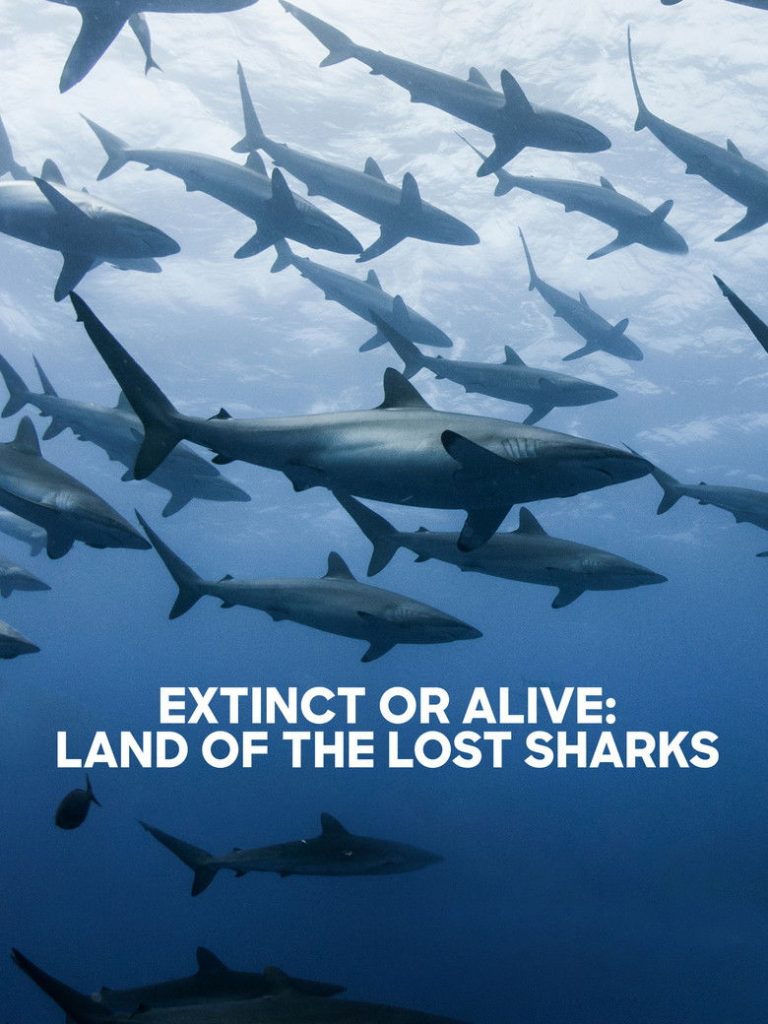
Story overview
This documentary follows wildlife biologist Forrest Galante as he explores dangerous, shark-filled waters in the southern hemisphere to search for three shark species that haven't been scientifically documented for up to 100 years. The film combines marine biology, conservation messaging, and adventure elements as Galante and his team conduct underwater expeditions to potentially rediscover these 'lost' sharks.
Parent Guide
Educational documentary about shark conservation with some intense underwater sequences. Appropriate for most school-aged children with interest in marine biology.
Content breakdown
No violence against humans or animals. Some scenes show sharks swimming near divers, which creates mild tension. The documentary emphasizes shark conservation rather than danger.
Underwater footage of sharks may be intense for very young or sensitive viewers. Some scenes show sharks with open mouths or swimming close to cameras, but no graphic or gory content.
No profanity or inappropriate language. Scientific and conservation-focused dialogue throughout.
No sexual content or nudity. All participants wear appropriate diving gear.
No depiction of alcohol, drugs, or tobacco use.
Moderate excitement during search sequences. Some disappointment when searches are unsuccessful, balanced by hopeful conservation messaging.
Parent tips
This documentary is educational and focuses on marine conservation, but includes scenes of sharks in their natural habitat which may be intense for sensitive viewers. Consider discussing ocean ecosystems and extinction risks with children. The TV-PG rating indicates it's generally appropriate for most ages with parental guidance.
Parent chat guide
Parent follow-up questions
- Did you see any big fish in the water?
- What colors were the sharks?
- Was the water blue or green?
- What was the most interesting shark fact you learned?
- Why do you think some sharks are hard to find?
- How do scientists look for animals in the ocean?
- What methods did the team use to search for the sharks?
- Why might a species be considered 'lost' to science?
- What conservation message did the documentary convey?
- How does this documentary illustrate the scientific process of species rediscovery?
- What ethical considerations exist in searching for potentially extinct species?
- How does marine biodiversity loss compare to terrestrial biodiversity loss?
🎭 Story Kernel
The film's core isn't just a biological search; it's a profound exploration of human guilt and redemption. Forrest Galante's mission to find the lost Pondicherry and Java sharks is driven by a desperate need to correct humanity's ecological sins. Each dive becomes a psychological confrontation with extinction itself—the haunting possibility that these species are already gone mirrors our collective failure. The narrative tension stems from whether science can offer a second chance or if we're merely documenting our own destructive legacy. It's a story about seeking absolution in the deep, where finding a 'ghost' shark would be a small victory against our overwhelming environmental debt.
🎬 Visual Aesthetics
The cinematography masterfully uses the ocean's inherent contrast—vibrant reef life against the crushing blue void—to visualize the search's stakes. Tight, shaky camerawork in the underwater sequences creates claustrophobia and immediacy, making viewers feel the divers' frantic urgency. The color palette shifts from warm, sun-drenched surface shots to the cool, monochromatic blues of the deep, symbolizing the transition from hope to the chilling reality of the hunt. Slow-motion shots of sharks (when found) feel like reverence, while wide, empty seascapes emphasize the terrifying scale of what's been lost. The camera doesn't just observe; it immerses us in the anxiety of the search.
🔍 Details & Easter Eggs
💡 Behind the Scenes
Forrest Galante, the host and lead biologist, is a real-world conservationist who specializes in finding species presumed extinct, adding authentic urgency to the mission. Filming faced significant challenges, including dangerous weather conditions in remote Indian Ocean locations and the logistical nightmare of searching vast, undocumented waters. The team used a combination of local fisher knowledge, historical records, and modern technology like underwater drones. Notably, the Pondicherry shark hadn't had a verified sighting since the 1970s, making this one of the most ambitious 'extinct or alive' quests ever filmed for television.
Where to watch
Choose region:
- HBO Max
- Discovery +