
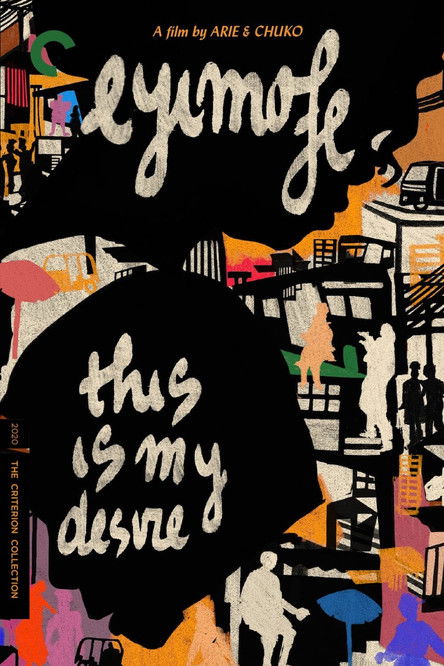
Eyimofe (This Is My Desire) (2021)
Story overview
Eyimofe (This Is My Desire) is a 2021 Nigerian drama that follows two parallel stories in Lagos. Mofe, a factory technician, dreams of moving to Spain for a better life after a family tragedy, while Rosa, a hairdresser, plans to escape to Italy with her pregnant sister. The film explores their struggles with bureaucracy, financial hardship, and personal sacrifices as they navigate the complex realities of migration aspirations. Told with quiet realism and emotional restraint, it portrays everyday life in urban Nigeria while examining universal themes of hope, resilience, and the human desire for change.
Parent Guide
A contemplative drama about migration dreams and everyday struggles in Lagos, Nigeria. The film handles mature themes with restraint and realism, making it most appropriate for teenagers who can appreciate nuanced storytelling and emotional complexity. While not containing graphic content, the film's themes of grief, economic hardship, and adult responsibilities require emotional maturity.
Content breakdown
Brief factory accident scene with minor injury shown (no blood/gore). Some tense confrontations and arguments. Overall, violence is minimal and not graphic.
Emotional intensity around grief and loss (a character deals with family tragedy). Scenes of financial stress and bureaucratic frustration. Some tense moments but nothing horror-oriented or jump-scare based.
Occasional mild language in English and Nigerian Pidgin. Nothing strong or frequent. Some cultural expressions that may require explanation for non-Nigerian viewers.
Discussions about pregnancy and relationships. Brief non-explicit romantic moments. No nudity or explicit sexual content.
Social drinking in a few scenes (beer, alcohol at gatherings). No drunkenness or substance abuse depicted.
Sustained emotional themes of grief, hope, disappointment, and perseverance. Characters face significant life challenges including financial hardship, family responsibilities, and migration obstacles. The film's contemplative pace allows emotional moments to resonate.
Parent tips
This thoughtful drama deals with mature themes appropriate for older children and teens. Parents should know: 1) The film includes emotional intensity around grief, financial stress, and migration struggles. 2) There are brief scenes of mild peril (a factory accident, a tense confrontation). 3) Some mature discussions about pregnancy and relationships occur. 4) The pacing is deliberate and contemplative - younger viewers may find it slow. 5) The film provides excellent opportunities to discuss global migration, economic inequality, and cultural differences. Best for ages 13+ who can handle nuanced emotional content.
Parent chat guide
Parent follow-up questions
- What colors did you see in the movie?
- Did you see any animals?
- What sounds did you hear?
- What was one thing Mofe wanted?
- How did people help each other in the story?
- What did you learn about Nigeria?
- Why do you think Mofe and Rosa wanted to leave Nigeria?
- What challenges did they face trying to make their dreams come true?
- How did the film show that dreams can be complicated?
- How does the film portray the reality versus the dream of migration?
- What commentary does the film make about globalization and economic inequality?
- How do the two parallel stories complement each other thematically?
- What did you think about the film's restrained storytelling style and what emotions did it evoke?
🎭 Story Kernel
The film dissects the brutal economics of aspiration through Mofe and Rosa's parallel journeys. Both characters aren't driven by traditional ambition but by the desperate need to escape systemic failure—Mofe through emigration to Spain after personal tragedy, Rosa through marriage to a foreigner after her sister's pregnancy. Their desires are less about reaching Europe than fleeing a Lagos that offers no safety net. The real tragedy isn't their failure to leave, but the revelation that their 'escape plans' were always fantasies propped up by exploitation (Mofe's stolen savings, Rosa's transactional relationship). The film suggests that in such environments, desire itself becomes a commodity to be traded and stolen.
🎬 Visual Aesthetics
The cinematography employs observational realism with static, medium-long shots that make Lagos feel both intimate and overwhelming. The color palette is dominated by muted earth tones and the grayish haze of pollution, making occasional bursts of color (Rosa's yellow dress, the Spanish flag) feel like cruel taunts. Camera movements are minimal, often framing characters through windows, doorways, or behind obstacles, visually reinforcing their entrapment. The most powerful visual motif is water—from leaking pipes to flooded streets to the ocean Mofe hopes to cross—always present but never cleansing, representing both the promise of escape and the constant, dampening reality.
🔍 Details & Easter Eggs
💡 Behind the Scenes
The film was shot chronologically over four years to capture authentic seasonal changes in Lagos. Directors Arie and Chuko Esiri are twin brothers who used non-professional actors alongside professionals—Mofe is played by Jude Akuwudike, a Nigerian-British stage actor, while many supporting roles feature actual Lagos residents. The Spanish scenes were filmed in just three days with a skeleton crew. The title 'Eyimofe' translates to 'This is my desire' in Yoruba, but the directors have noted the phrase carries deeper cultural weight about claiming what's rightfully yours in a system designed to deny it.
Where to watch
Choose region:
- HBO Max
- HBO Max Amazon Channel
- Criterion Channel
- Amazon Video
- Apple TV Store
- Google Play Movies
- YouTube
- Fandango At Home
Trailer
Trailer playback is unavailable in your region.