
Fallen Angels (1995)
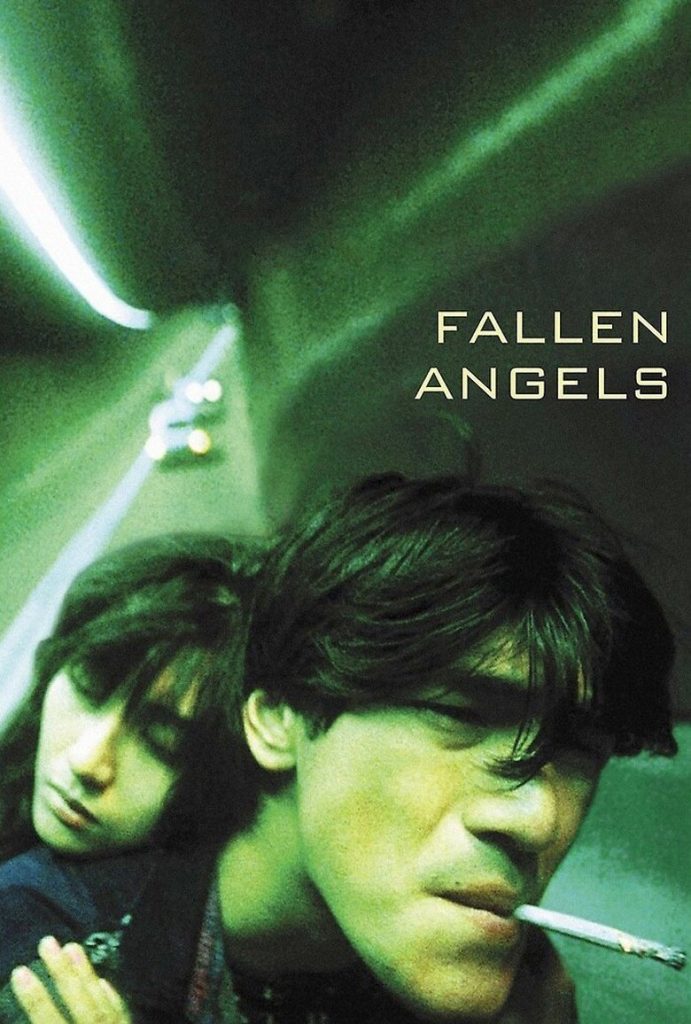
Story overview
Fallen Angels is a 1995 action-romance-crime film that explores the interconnected lives of characters navigating the criminal underworld. The story blends elements of violence and emotional relationships against an urban backdrop. It presents a stylized look at themes of loyalty, desire, and moral ambiguity.
Parent Guide
A stylized crime drama with mature themes including violence and romantic elements. Best suited for older teens and adults.
Content breakdown
Contains action sequences and criminal activities typical of the genre. May include confrontations and perilous situations.
Some tense moments and atmospheric elements that could be unsettling to sensitive viewers.
May include strong language consistent with crime drama conventions.
Contains romantic elements and potentially suggestive content typical of the romance-crime blend.
May include depictions of smoking or drinking in social contexts.
Explores complex relationships and moral dilemmas that may be emotionally engaging.
Parent tips
This film contains mature themes typical of the crime genre, including violence and romantic elements that may not be suitable for younger viewers. Parents should be aware that the 'Not Rated' certification means it hasn't been evaluated by the MPAA, so you'll need to rely on the content descriptions provided here. Consider watching it yourself first to determine if it's appropriate for your family.
Parent chat guide
Parent follow-up questions
- What did you think about the people in the movie?
- How did the movie make you feel?
- What was your favorite part?
- Did anything in the movie surprise you?
- What colors did you notice most?
- What did you think about how the characters treated each other?
- How do you think the characters felt when things went wrong?
- What would you do differently than the characters?
- What makes someone a good friend in the movie?
- How does the movie show people solving problems?
- What themes about relationships did you notice in the film?
- How does the movie portray the consequences of choices?
- What messages does the film send about loyalty and betrayal?
- How realistic do you think the characters' situations are?
- What alternative paths could the characters have taken?
- How does the film explore the tension between personal desire and moral responsibility?
- What commentary does the film make about urban life and isolation?
- How effective is the film's stylized approach in conveying its themes?
- What does the film suggest about the nature of human connections in difficult circumstances?
- How does the blending of genres affect the storytelling?
🎭 Story Kernel
At its core, 'Fallen Angels' explores the impossibility of genuine connection in a hyper-urbanized world. The film presents characters who are physically proximate yet emotionally isolated, communicating through missed connections and unspoken desires. The hitman Wong Chi-ming and his agent partner maintain a professional relationship that borders on intimacy without ever crossing into it, while He Zhiwu's mute character expresses himself through chaotic physicality rather than words. Each character is driven by a longing for something just out of reach—whether it's love, recognition, or simply being understood—in a city that amplifies their solitude rather than alleviating it. The narrative structure itself mirrors this fragmentation, with parallel stories that occasionally brush against each other but never truly intersect.
🎬 Visual Aesthetics
Wong Kar-wai's visual language in 'Fallen Angels' is a masterclass in controlled chaos. The film employs extreme wide-angle lenses that distort spaces, making Hong Kong's cramped interiors feel both claustrophobic and expansive. The color palette is dominated by sickly greens, neon reds, and muted blues—colors that feel artificial and emotionally detached. Action sequences are shot with a disorienting, handheld urgency that contrasts with the slow-motion romantic moments. Particularly striking is the use of fish-eye lenses during intimate scenes, visually representing how closeness can feel distorted and unreal. The recurring motif of characters moving through tunnels and narrow passageways becomes a visual metaphor for their emotional trajectories—always moving but going nowhere.
🔍 Details & Easter Eggs
💡 Behind the Scenes
The film was originally conceived as the third story in 'Chungking Express' but expanded into its own feature. Takeshi Kaneshiro's character He Zhiwu was written as mute specifically because the actor couldn't speak Cantonese fluently. Many scenes were shot guerrilla-style in actual Hong Kong locations without permits, contributing to the film's raw, spontaneous energy. The famous motorcycle scene through the tunnel was achieved by mounting cameras on the bike itself, creating that distinctive first-person perspective. Michelle Reis, who plays the agent, had to learn to smoke convincingly for her role despite being a non-smoker, with Wong Kar-wai personally directing her smoking mannerisms.
Where to watch
Choose region:
- HBO Max
- HBO Max Amazon Channel
- Criterion Channel
- Amazon Video
- Apple TV
- Google Play Movies
- YouTube
- Fandango At Home
Trailer
Trailer playback is unavailable in your region.