
Falling in Love Like in Movies (2023)
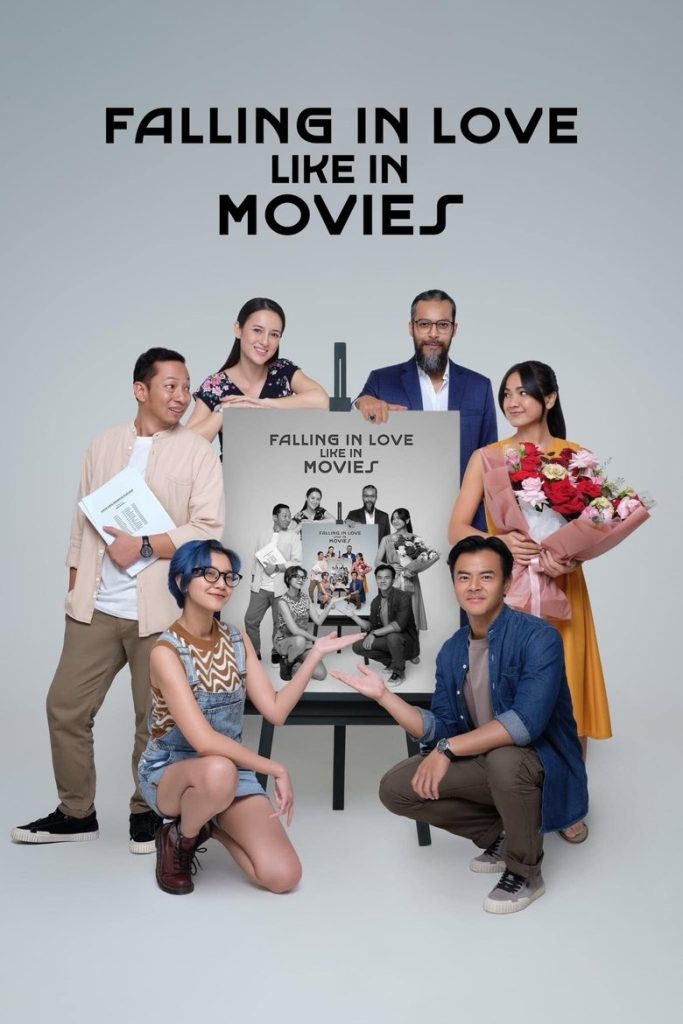
Story overview
Falling in Love Like in Movies is a 2023 romantic comedy-drama that explores the humorous and heartfelt journey of characters navigating relationships. The film blends lighthearted moments with emotional depth, focusing on themes of love, connection, and personal growth. It offers a charming portrayal of modern romance, appealing to audiences who enjoy feel-good stories with relatable situations.
Parent Guide
A family-friendly romantic comedy-drama with mild content suitable for most ages, focusing on positive themes and light humor.
Content breakdown
No violence or perilous situations are present; conflicts are emotional or comedic in nature.
Nothing scary or disturbing; the tone is consistently light and uplifting.
May include occasional mild language or humorous insults, but nothing strong or offensive.
Limited to mild romantic themes, such as kissing or affectionate gestures, with no explicit content.
No depiction of substance use; characters engage in social activities without alcohol or drugs.
Emotional moments are gentle and resolved positively, suitable for younger viewers.
Parent tips
This movie is suitable for most families, with content that is generally mild and appropriate for viewers aged 8 and up. It focuses on positive themes like friendship, empathy, and overcoming challenges in relationships, making it a good choice for sparking conversations about emotions and social interactions. Parents may want to watch with younger children to discuss any romantic elements or comedic misunderstandings that arise.
Parent chat guide
Parent follow-up questions
- What was your favorite funny part in the movie?
- How did the characters help each other?
- Can you draw a picture of something happy from the story?
- What did you learn about being a good friend from this movie?
- How did the characters feel when things went wrong?
- What would you do differently if you were in their situation?
- How does this movie show that relationships take work?
- What messages about love or friendship did you notice?
- Do you think the characters made good choices? Why or why not?
- How realistic do you find the portrayal of romance in this film?
- What themes about personal growth or identity did you observe?
- How might this story influence your views on relationships?
🎭 Story Kernel
The film explores the ethical boundaries of art and the messy reality of mourning. Bagus, a screenwriter, attempts to win back his high school crush, Hana, by secretly documenting their interactions for a romantic comedy script. However, the core theme isn't just romance; it's a profound meditation on how we process loss. Hana is grieving her late husband, and Bagus’s attempt to 'cinematize' her pain highlights the disconnect between scripted perfection and the stagnant, non-linear nature of real-world healing. It questions whether one can truly capture love on screen without exploiting the very emotions that make it authentic, ultimately serving as a deconstruction of the 'rom-com' tropes that often oversimplify human connection and the complexity of moving on from a deep, personal tragedy.
🎬 Visual Aesthetics
Yandy Laurens makes a bold, purposeful choice by filming the majority of the movie in black and white. This isn't merely a stylistic gimmick; it represents the 'colorless' world Hana inhabits following her husband's death. The lack of color strips away the distractions of modern Jakarta, forcing the audience to focus on the nuances of facial expressions and the chemistry between Ringgo Agus Rahman and Nirina Zubir. The cinematography utilizes long takes and intimate framing to mirror the vulnerability of the characters. When color finally bleeds into the frame, it isn't just a visual shift but a narrative breakthrough, symbolizing the gradual return of hope and the acceptance of a new reality that exists beyond the shadows of the past, effectively using the medium to visualize psychological recovery.
🔍 Details & Easter Eggs
💡 Behind the Scenes
The film marks a significant reunion for Ringgo Agus Rahman and Nirina Zubir, who are iconic figures in Indonesian cinema. Director Yandy Laurens spent years developing the script, which was inspired by his own observations of how people navigate grief and the art of storytelling. Interestingly, the decision to shoot in black and white was initially met with some resistance from producers who feared it might alienate mainstream audiences. However, the film went on to receive critical acclaim and multiple wins at the Festival Film Indonesia, including Best Picture, proving that there is a hunger for experimental, high-concept dramas.
Where to watch
Choose region:
- Netflix
- Netflix Standard with Ads
Trailer
Trailer playback is unavailable in your region.