
Fantasia 2000 (2000)
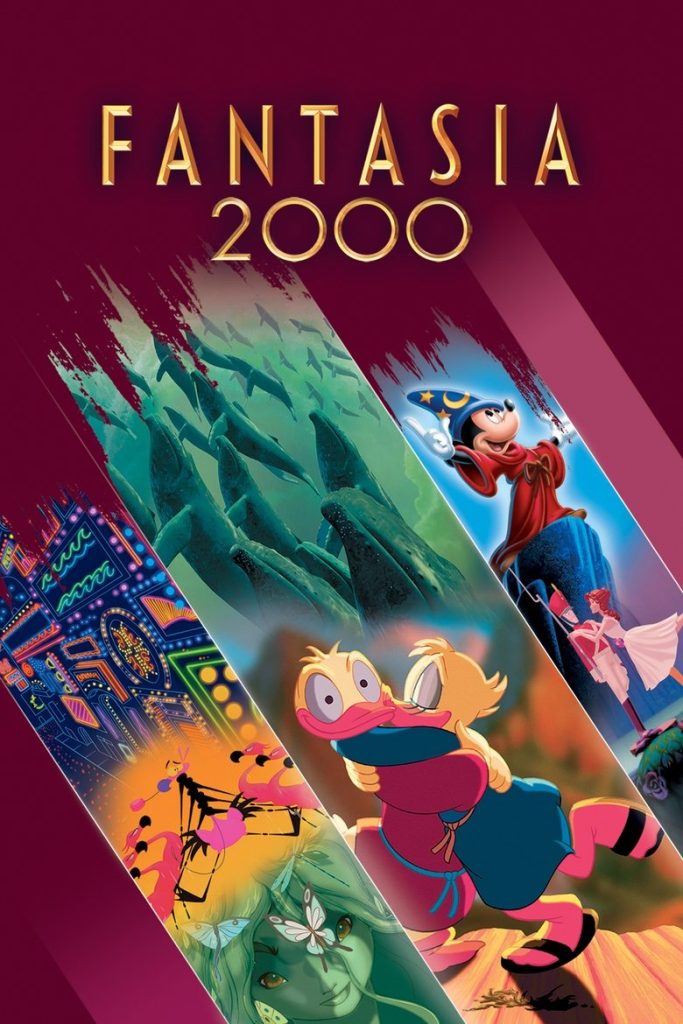
Story overview
Fantasia 2000 is a vibrant animated sequel that pairs classical music with imaginative visual storytelling. It features eight distinct segments, including the restored classic 'The Sorcerer's Apprentice' and seven new musical interpretations. The film celebrates creativity through abstract and narrative animation styles, offering a family-friendly artistic experience.
Parent Guide
A completely family-friendly musical animation experience with no concerning content.
Content breakdown
No violent content present.
No scary or disturbing imagery; all content is gentle and artistic.
No dialogue except for brief introductions between segments.
No sexual content or nudity.
No substance use depicted.
Some musical pieces may evoke strong emotions, but nothing distressing.
Parent tips
This G-rated film is appropriate for all ages, presenting no concerning content. The abstract nature of some segments might confuse very young viewers, but the musical focus keeps it engaging. Parents can use this as an opportunity to introduce children to classical music in an accessible, visually stimulating format.
Parent chat guide
Parent follow-up questions
- Which part had the prettiest colors?
- Did the music make you want to dance?
- What animal did you like best?
- Was there a happy part?
- Can you hum your favorite tune from the movie?
- How did the animation change with different types of music?
- Which segment told the clearest story without words?
- What emotions did the music make you feel?
- How did colors help tell the story?
- Would you like to learn more about classical music after watching this?
- How does animation style affect how you interpret the music?
- Which composer's work was most effectively paired with visuals?
- What creative choices surprised you in the animation?
- How does this compare to other animated films you've seen?
- What makes music a good storytelling tool without dialogue?
- How does this film update the original Fantasia concept for modern audiences?
- What artistic risks did the animators take with abstract segments?
- How does the film balance entertainment with artistic education?
- What cultural or historical context might enhance appreciation of certain segments?
- How does the absence of dialogue affect viewer engagement with the music?
🎭 Story Kernel
Fantasia 2000 isn't about narrative in the traditional sense—it's about emotional resonance through pure audiovisual synthesis. Each segment explores a different facet of human experience through music visualization: the struggle against chaos in 'The Sorcerer's Apprentice,' the delicate balance of nature in 'Pines of Rome,' the resilience of community in 'Rhapsody in Blue,' and the cosmic dance of destruction and creation in 'The Firebird.' The film argues that music and animation together can bypass intellectual interpretation and speak directly to our primal emotional centers, creating meaning through sensation rather than plot.
🎬 Visual Aesthetics
The film showcases a breathtaking range of animation styles, from the nostalgic hand-drawn elegance of 'The Sorcerer's Apprentice' to the sleek CGI geometry of 'The Steadfast Tin Soldier.' Each segment's visual language perfectly mirrors its musical counterpart: 'Rhapsody in Blue' uses Al Hirschfeld-inspired line work that flows like Gershwin's jazz rhythms, while 'Pines of Rome' employs luminous, ethereal CGI for whales that move with balletic grace. The color palettes shift dramatically—muted Depression-era grays give way to volcanic reds in 'The Firebird,' where the destruction of the forest is rendered with terrifying, beautiful abstraction.
🔍 Details & Easter Eggs
💡 Behind the Scenes
Fantasia 2000 was originally conceived as a theatrical update that would rotate segments with the original 1940 film. The 'Rhapsody in Blue' segment was inspired by Al Hirschfeld's caricatures and required animators to study 1930s New York through photographs and film. Steve Martin and Itzhak Perlman were among the celebrity hosts filmed against green screen. The production faced technical challenges merging hand-drawn animation with early CGI, particularly in 'Pines of Rome' where the whale movements needed to feel weightless yet musical. At 75 minutes, it remains Disney's shortest theatrical feature.
Where to watch
Choose region:
- Disney Plus
- Amazon Video
- Apple TV
- Google Play Movies
- YouTube
- Fandango At Home
Trailer
Trailer playback is unavailable in your region.