
Fantastic Mr. Fox (2009)
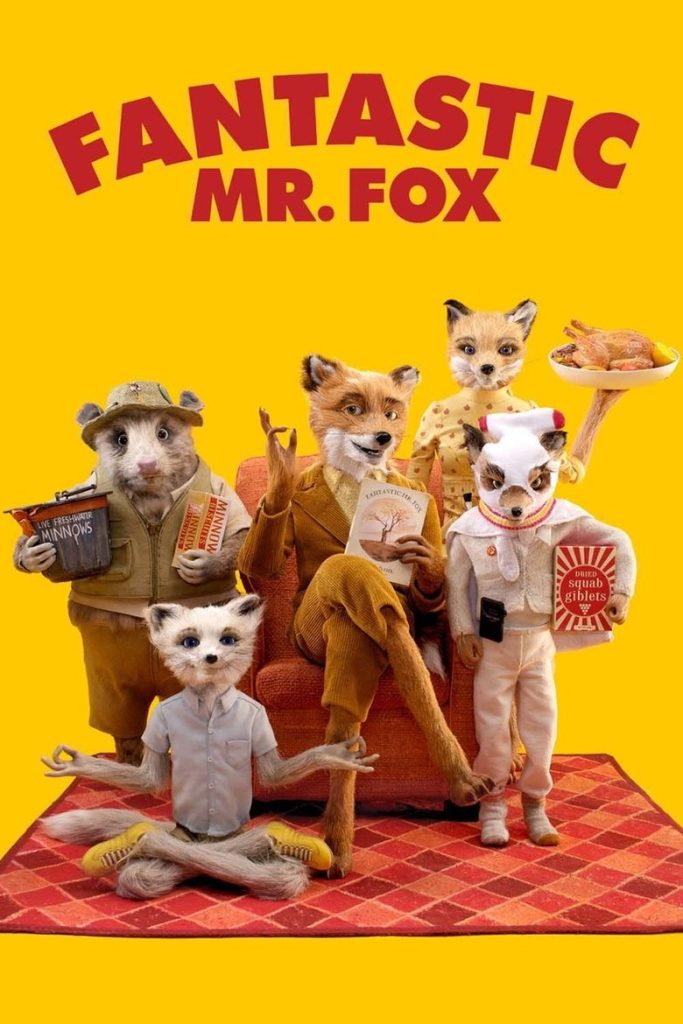
Story overview
Fantastic Mr. Fox is an animated adventure about a clever fox who grows restless with his safe family life and decides to pull off daring heists from three local farmers. His actions provoke the farmers to retaliate fiercely, putting his entire animal community in danger. The film explores themes of family loyalty, identity, and the consequences of one's choices through witty dialogue and distinctive visual storytelling.
Parent Guide
A clever animated adventure with sophisticated humor and mild peril that's best suited for school-age children who can appreciate its themes and style.
Content breakdown
Stylized action sequences with characters in peril from farmers with weapons; no graphic violence but some tense chase scenes and threats
Farmers' aggressive pursuit of animals might be unsettling for sensitive viewers; some intense moments of danger
Occasional mild exclamations and sophisticated dialogue; no strong profanity
No sexual content or nudity
Characters occasionally drink cider in social settings; depicted as part of adult gatherings
Themes of family conflict, danger to loved ones, and moral dilemmas create emotional engagement; characters face significant consequences for their actions
Parent tips
This film is rated PG for mild action and thematic elements. While mostly lighthearted, there are scenes where characters face peril from angry farmers with weapons, which might be intense for very young viewers. The story deals with mature themes like responsibility, honesty, and balancing personal desires with family obligations, offering good discussion opportunities for older children.
Parents should note that the film includes stylized action sequences where characters are in danger, though no graphic violence occurs. Some children might find the farmers' aggressive pursuit of the animals unsettling. The humor is sophisticated and often relies on witty dialogue that younger viewers may not fully appreciate.
Parent chat guide
For younger children, focus on the adventure aspects and how the animals work together. With older children, you can delve deeper into the moral complexities of Mr. Fox's choices and what the film says about balancing personal ambition with family responsibilities. Encourage children to share their thoughts about the characters' motivations and the consequences of their actions.
Parent follow-up questions
- What was your favorite animal in the movie?
- How did the animals help each other?
- What made you laugh during the film?
- How did the animals stay safe from the farmers?
- What would you do if you were one of the animals?
- Why do you think Mr. Fox wanted to steal from the farmers?
- How did the animals work together as a team?
- What would you have done differently if you were Mr. Fox?
- How did the farmers' actions affect the animals?
- What did you learn about family from this movie?
- Do you think Mr. Fox's actions were justified? Why or why not?
- How does the film show the importance of honesty and responsibility?
- What does the movie suggest about balancing personal desires with family obligations?
- How did the different characters respond to danger and pressure?
- What themes about identity and purpose did you notice in the story?
- How does the film use humor to address serious themes like responsibility and consequence?
- What commentary does the movie make about societal roles and expectations?
- How do the visual style and dialogue contribute to the film's themes?
- What does the story suggest about the nature of ambition and its impact on relationships?
- How does the film balance entertainment with meaningful messages about family and community?
🎭 Story Kernel
At its core, 'Fantastic Mr. Fox' explores the tension between wild instinct and domestic responsibility. Mr. Fox's midlife crisis manifests as a return to his true nature—stealing chickens—which threatens the security of his family and community. The film argues that suppressing one's essential self leads to a slow death, while embracing it (even recklessly) brings vitality, albeit with consequences. The characters are driven by this conflict: Fox by his need to be 'fantastic,' his wife by her desire for safety, their son by his search for identity, and the farmers by their need to control nature. The resolution isn't about choosing one over the other, but finding a way to let the wild coexist with the civilized.
🎬 Visual Aesthetics
Wes Anderson's signature symmetrical compositions and meticulous framing are rendered in tactile stop-motion, creating a world that feels both handmade and precisely controlled. The autumnal color palette—dominated by oranges, browns, and golds—evokes nostalgia and the natural world, while the farmers' industrial landscapes are stark and gray. The camera often adopts a low, animal's-eye view, immersing us in the foxes' perspective. The action sequences, like the raid on Boggis's farm, are choreographed with a playful, almost dance-like rhythm, contrasting with the sudden, violent eruptions of the farmers' machinery. The fur textures and miniature details ground the whimsy in a tangible reality.
🔍 Details & Easter Eggs
💡 Behind the Scenes
The film's unique, textured look was achieved using real animal fur for the puppets' coats, which was individually trimmed and styled for each character. Voice recording was done unconventionally: instead of isolated booths, the actors (including George Clooney and Meryl Streep) were often recorded together on location, like in a real field, to capture naturalistic interplay. Director Wes Anderson directed remotely via email and video conferencing from Paris while the animators worked in London, sending detailed instructions for each frame. The production took over two years due to the painstaking nature of stop-motion, with animators averaging only a few seconds of footage per week.
Where to watch
Choose region:
- Disney Plus
- Amazon Video
- Apple TV
- Google Play Movies
- YouTube
- Fandango At Home
Trailer
Trailer playback is unavailable in your region.