
Fargo (1996)
Story overview
Fargo is a dark crime drama set in Minnesota about a desperate car salesman who orchestrates a kidnapping scheme to solve his financial problems. The plan spirals out of control when violence erupts, leading to multiple deaths. A pregnant police chief investigates the case with determination and folksy persistence, navigating the brutal consequences of the criminal plot.
Parent Guide
A dark crime drama with graphic violence and mature themes unsuitable for younger viewers.
Content breakdown
Multiple shootings with blood, dead bodies shown, violent crime scenes, and peril throughout
Criminal violence and dead bodies could disturb sensitive viewers, though not horror-style scares
Frequent strong profanity throughout the film
Brief sexual references and situations, no graphic nudity shown
Some social drinking shown in bars and restaurants
High-stakes criminal situations and moral dilemmas create tension
Parent tips
This film contains strong violence including shootings, blood, and dead bodies shown on screen. The R rating reflects graphic crime scenes and frequent strong language throughout. While the story has darkly comedic elements, the overall tone is grim with themes of greed, desperation, and moral decay. The pregnant police chief provides a moral center, but her investigation exposes brutal criminal behavior.
Parent chat guide
Parent follow-up questions
- What did you think about the snowy places in the movie?
- How did the police officer help people?
- What colors did you see most in the movie?
- Was anyone being a good friend in the story?
- What sounds did you hear outside in the movie?
- Why do you think the car salesman made bad choices?
- How did the police officer solve the mystery?
- What happens when people try to solve problems with lies?
- How did the weather affect the story?
- What makes someone a good leader like the police chief?
- How does desperation affect people's decision-making?
- What role does honesty play when solving problems?
- How does the movie balance dark humor with serious crime?
- What different approaches to justice do characters show?
- How does setting affect the story's mood and events?
- How does the film critique American materialism and desperation?
- What commentary does the movie make about moral compromise?
- How does the cinematography and dialogue style contribute to themes?
- What does the contrast between violence and mundane settings achieve?
- How does gender representation function in this crime narrative?
🎭 Story Kernel
At its core, 'Fargo' is a bleakly comedic exploration of the American Dream's dark underbelly, where petty ambition and financial desperation collide with catastrophic results. The film argues that true evil isn't grandiose villainy but the banal, selfish decisions of ordinary people. Jerry Lundegaard's pathetic scheme isn't driven by malice but by a pathetic desire to appear successful, while the kidnappers' incompetence turns a simple crime into a bloody farce. Marge Gunderson's pregnant, pragmatic decency serves as the moral anchor, highlighting how these small moral failures snowball into tragedy. The Coens suggest that in a world of moral grays, basic human decency is both rare and revolutionary.
🎬 Visual Aesthetics
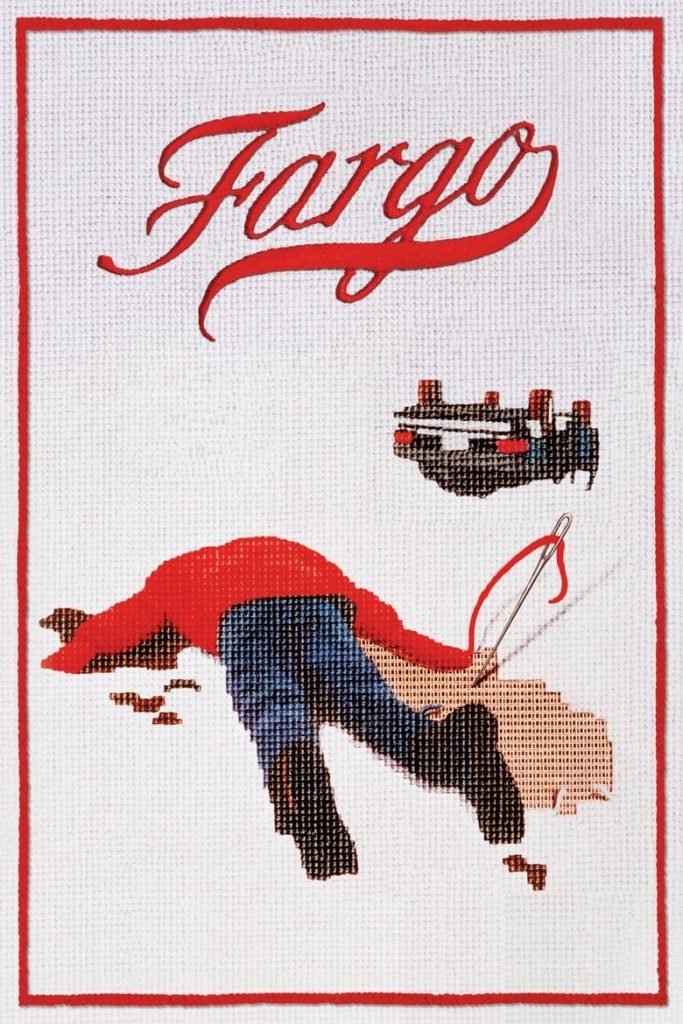
The Coens masterfully use the Minnesota winter not just as setting but as visual character. The endless, blinding white landscapes create a stark moral vacuum where blood red screams against the purity. Wide, static shots emphasize human insignificance against the frozen expanse, while the camera's flat, documentary-like gaze refuses to glamorize violence. The muted, almost monochromatic palette of whites, grays, and browns reflects the characters' moral blandness. Notice how interiors feel cramped and suffocating compared to the vast outdoors—visualizing the characters' trapped desperation. The infamous woodchipper scene's horror is amplified by its matter-of-fact framing, making brutality feel disturbingly ordinary.
🔍 Details & Easter Eggs
💡 Behind the Scenes
Frances McDormand's Oscar-winning performance as Marge was partly inspired by director Joel Coen's real-life meeting with a pregnant Minnesota police officer during location scouting. The iconic woodchipper was a real machine rented from a local company, with special effects creating the gruesome 'output.' Most exterior scenes used fake snow made from potato flakes when real snowfall was insufficient. William H. Macy based Jerry's nervous mannerisms on a car salesman he observed, while Steve Buscemi's character's constant complaining about the cold reflected the actor's genuine discomfort during the freezing shoot.
Where to watch
Choose region:
- fuboTV
- Paramount+ Amazon Channel
- MGM Plus
- Philo
- Amazon Video
- Apple TV
- Google Play Movies
- YouTube
- Fandango At Home
- Plex
Trailer
Trailer playback is unavailable in your region.