
Feel the Beat (2020)
Story overview
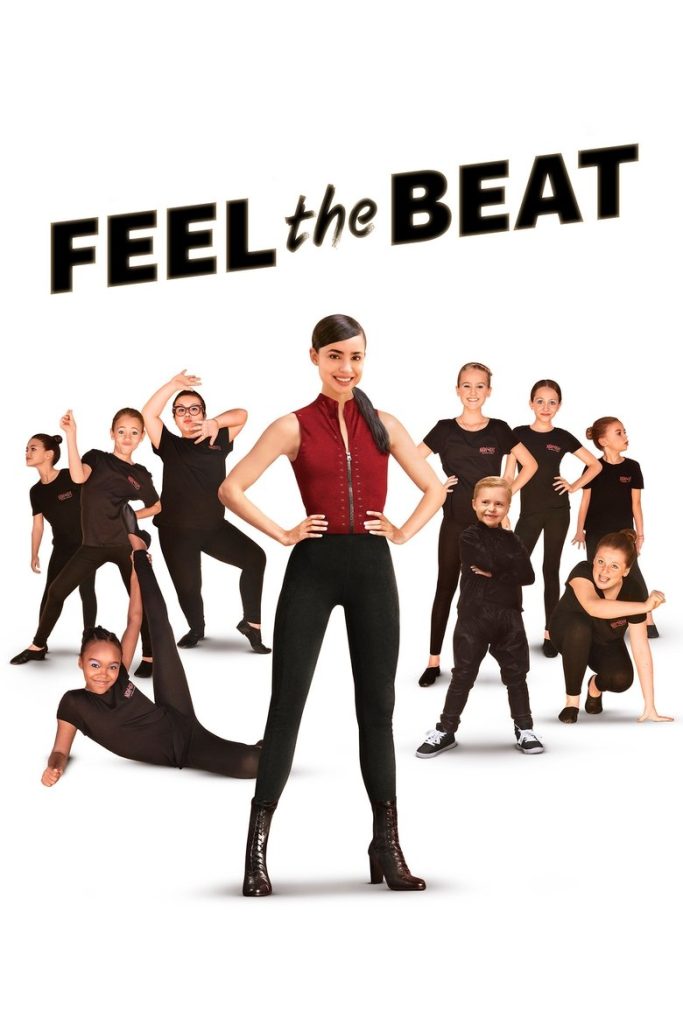
Feel the Beat is a family-friendly musical comedy-drama about a talented but struggling dancer who returns to her hometown after a professional setback. She reluctantly takes on coaching a group of young, enthusiastic dancers for a local competition, rediscovering her passion along the way. The film explores themes of perseverance, teamwork, and finding joy in unexpected places through dance and music.
Parent Guide
A wholesome family film with positive messages about perseverance and community.
Content breakdown
No violence or perilous situations.
Nothing scary or disturbing.
No offensive language.
No sexual content or nudity.
No substance use depicted.
Some mild emotional moments related to disappointment and pressure, all resolved positively.
Parent tips
This TV-G rated movie is appropriate for all ages and focuses on positive messages about resilience, community, and following your dreams. Parents can expect some mild emotional moments related to disappointment and pressure, but these are handled gently and resolved positively. The dance sequences are energetic but not intense, making it suitable for young viewers who enjoy music and movement.
Parent chat guide
Parent follow-up questions
- What was your favorite dance in the movie?
- How did the dancers help each other?
- What made you happy while watching?
- Why do you think the main character was nervous about coaching?
- How did the dancers work together as a team?
- What did the characters learn about trying again after disappointment?
- What pressures did the main character face in her career?
- How did returning home change her perspective?
- What does the movie show about balancing dreams with reality?
- How does the film portray the challenges of pursuing artistic careers?
- What commentary does it make about success and failure?
- How do the characters' relationships evolve throughout the story?
🎭 Story Kernel
At its core, 'Feel the Beat' is about the collision between professional ambition and personal authenticity. April's journey back to her hometown isn't just about redemption; it's about confronting the version of herself she left behind. The film explores how success often requires sacrificing the very passion that fuels it, and how true fulfillment comes from reconnecting with one's roots rather than chasing external validation. The young dancers aren't just students—they're mirrors reflecting April's lost innocence and joy. The competition becomes secondary to the real victory: April rediscovering why she loved dance in the first place.
🎬 Visual Aesthetics
The cinematography creates a clear visual divide between April's two worlds. New York is shot with cool, sterile tones and tight framing, emphasizing her isolation and the cutthroat nature of Broadway. In contrast, her hometown glows with warm, golden-hour lighting and wider shots that capture community spaces. The dance sequences are notably practical—no impossible CGI moves here. The camera stays grounded, often at dancer's-eye level during rehearsals, making their progress feel earned. Costume colors subtly track character development: April's wardrobe shifts from sleek blacks and grays to incorporating the vibrant hues of her students' outfits as she re-engages.
🔍 Details & Easter Eggs
💡 Behind the Scenes
Sofia Carson, who plays April, performed all her own dance sequences without a body double—a rarity for actors in dance films. The small-town scenes were filmed in Cambridge, Ontario, deliberately chosen for its authentic 'everytown' aesthetic rather than a soundstage. Director Elissa Down insisted on casting real competitive junior dancers alongside the professional child actors, creating genuinely skilled ensemble numbers. The Broadway audition scene was choreographed by Marguerite Derricks, who has worked on major musical films, giving that sequence authentic theatrical intensity.
Where to watch
Choose region:
- Netflix
- Netflix Standard with Ads
Trailer
Trailer playback is unavailable in your region.