
Feminists: What Were They Thinking? (2018)
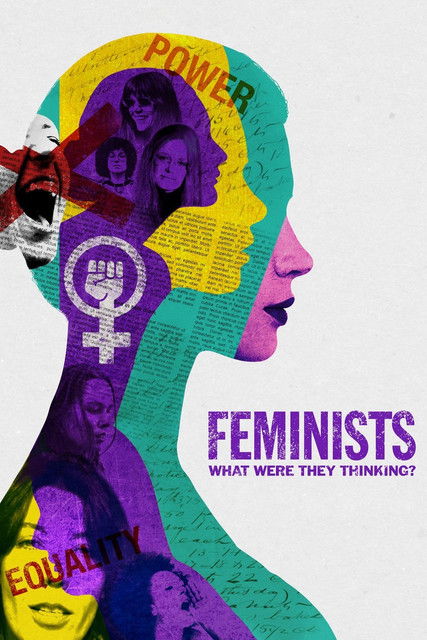
Story overview
This 2018 documentary examines the feminist movement through archival photographs from 1977, featuring interviews with activists like Jane Fonda and Judy Chicago. It explores how women challenged societal norms in the 1970s and draws connections to contemporary gender issues, advocating for ongoing social change.
Parent Guide
Educational documentary about feminist history and contemporary relevance. Best for mature children who can engage with social issues.
Content breakdown
No physical violence depicted. Discussion of societal oppression and discrimination.
May include discussion of gender-based discrimination and historical restrictions. Archival footage shows protest scenes.
Occasional strong language in historical context. No excessive profanity.
Some artistic photographs may include partial nudity in non-sexual context. Discussion of reproductive rights.
No depiction of substance use.
Emotional discussions about personal experiences with discrimination and societal change. Inspiring but thought-provoking.
Parent tips
Watch together to discuss historical context and current relevance. Be prepared for discussions about gender roles, equality, and social justice. The documentary includes mature themes but presents them thoughtfully.
Parent chat guide
Parent follow-up questions
- What do you think it means to be fair to everyone?
- Can boys and girls do the same things?
- Why do you think women had to fight for equal rights?
- What does 'feminism' mean to you?
- How have gender roles changed since the 1970s?
- What current issues related to equality do you notice?
- What connections does the film make between past and present feminist movements?
- How does media representation affect gender perceptions today?
🎭 Story Kernel
The film isn't a chronological history lesson but a visceral excavation of consciousness. Through intimate interviews with women photographed in the 1970s for 'Emergence,' it explores what it meant to 'become' a feminist—a seismic, often terrifying, internal shift. The core driver isn't plot but the collision between their revolutionary past selves and their present-day reflections. It asks: What did we think we were building? The real tension comes from confronting the unfinished business—the personal costs, the compromises, and the haunting question of whether the profound personal liberation they achieved translated into lasting structural change, or if the movement's energy was absorbed and commodified.
🎬 Visual Aesthetics
The visual language is built on potent juxtaposition. The stark, powerful black-and-white portraits from the 1970s—women defiant, nude, raw—are contrasted with contemporary color interviews, often in domestic, 'ordinary' settings. This isn't just a 'then vs. now' technique; it visually interrogates the space between the icon and the person. The camera lingers on faces as they revisit their younger selves, capturing micro-expressions of pride, pain, and bewilderment. There's no flashy cinematography; the power is in the direct gaze and the tangible weight of archival imagery confronting the present, making the political undeniably, uncomfortably personal.
🔍 Details & Easter Eggs
💡 Behind the Scenes
The documentary's spine is Cynthia MacAdams's 1975 photo book 'Emergence,' which captured iconic images of the women's movement. Director Johanna Demetrakas, a filmmaker and feminist activist from that era, reconnected with these subjects decades later. The production involved tracking down women who had often left the public eye, with some interviews conducted in the very homes where the original portraits were taken. This personal, insider access by Demetrakas, who lived the movement, provides the film's authentic, non-academic texture.
Where to watch
Choose region:
- Netflix
- Night Flight Plus
- Netflix Standard with Ads
Trailer
Trailer playback is unavailable in your region.