Fight Club (1999)
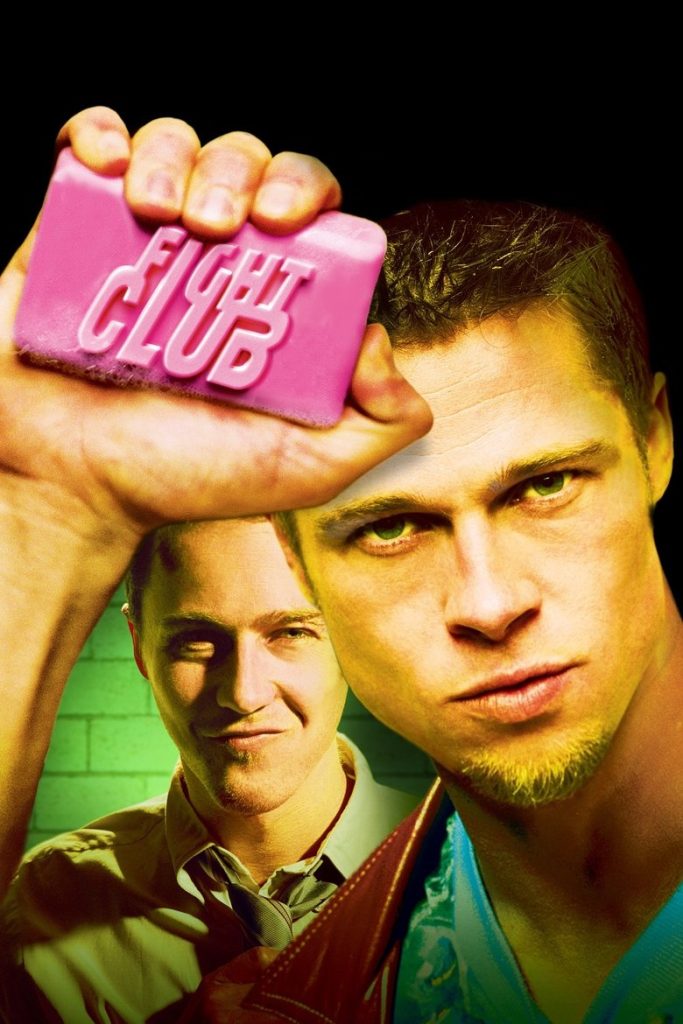
Story overview
Fight Club explores themes of modern alienation and male identity through a psychological thriller lens. The film follows an insomniac office worker who forms an underground fight club with a charismatic soap salesman as an unconventional form of therapy. As their movement grows, it spirals into increasingly dangerous territory that challenges societal norms and personal reality.
Parent Guide
This film contains mature psychological themes, intense violence, and complex narrative elements requiring emotional maturity and critical thinking.
Content breakdown
Contains graphic fight scenes, brutal hand-to-hand combat, and disturbing acts of violence throughout. The violence is central to the plot and presented in a raw, realistic manner.
Features psychological horror elements, disturbing imagery, and mind-bending narrative twists that challenge reality. The film explores dark themes of mental instability and societal breakdown.
Includes frequent strong language, profanity, and aggressive dialogue throughout the film. The language reflects the characters' frustration and the film's intense themes.
Contains sexual references, brief nudity, and mature sexual situations. The content is presented in context with the film's exploration of relationships and identity.
Features scenes with alcohol consumption, cigarette smoking, and references to drug use. Substance use is shown as part of the characters' lifestyles and coping mechanisms.
Presents high emotional intensity through psychological tension, existential themes, and character breakdowns. The film explores deep-seated frustration, alienation, and identity crises.
Parent tips
This R-rated film contains intense psychological themes, graphic violence, and mature content that makes it unsuitable for younger viewers. The movie explores complex ideas about consumerism, masculinity, and mental health through disturbing imagery and narrative twists. Parents should be aware that the film's provocative themes and explicit content require mature understanding and emotional readiness.
Parent chat guide
Parent follow-up questions
- What makes you feel brave?
- How do you solve problems without fighting?
- What are some good ways to make friends?
- Why do you think people sometimes feel angry or frustrated?
- What are healthy ways to deal with strong feelings?
- How can we tell the difference between movie stories and real life?
- What messages does the film give about how people deal with stress?
- How does the movie show the difference between fantasy and reality?
- What are some positive ways to build confidence and identity?
- How does the film critique modern consumer culture and masculinity?
- What psychological themes did you notice in the character development?
- How can we recognize and address unhealthy coping mechanisms in ourselves or others?
🎭 Story Kernel
Fight Club is a scathing critique of modern masculinity's crisis in a consumerist society. The Narrator's insomnia and material obsession represent spiritual emptiness, while Tyler Durden embodies the primal, destructive id that promises liberation through chaos. The film explores how capitalism commodifies identity, leaving men seeking validation through violence when traditional roles vanish. The twist reveals this isn't about external revolution but internal fragmentation—the ultimate rebellion against a system that sells you what you should want is to destroy everything, including yourself. It's not anti-capitalist propaganda but a psychological autopsy of why such ideologies become seductive.
🎬 Visual Aesthetics
David Fincher's signature desaturated palette creates a world drained of vitality, mirroring the Narrator's emotional numbness. The camera often feels invasive—quick cuts, subliminal Tyler flashes, and shaky documentary-style footage during fights make viewers complicit in the violence. Production design is meticulously grimy, with Tyler's house decaying in real time as Project Mayhem grows. The single-frame inserts of Tyler before his 'introduction' visually seed the twist. The final act's collapsing corporate buildings use hauntingly beautiful miniatures and digital effects, making destruction feel both cathartic and terrifying—a perfect visual metaphor for the film's conflicted ideology.
🔍 Details & Easter Eggs
💡 Behind the Scenes
Brad Pitt learned soapmaking, boxing, and meat-cutting for his role, even getting his front tooth chipped during fight training (which he kept for authenticity). The 'chemical burn' scene used real lye—Edward Norton insisted on actual pain for realism. Meat Loaf's prosthetic breasts weighed 90 pounds, requiring frequent breaks. Most corporate logos were genericized to avoid lawsuits, except Starbucks, who refused permission but got included anyway as Fincher's rebellion against brand control.
Where to watch
Choose region:
- Apple TV
- Google Play Movies
- YouTube
- Fandango At Home
- Amazon Video
Trailer
Trailer playback is unavailable in your region.