
Fin (2021)
Story overview
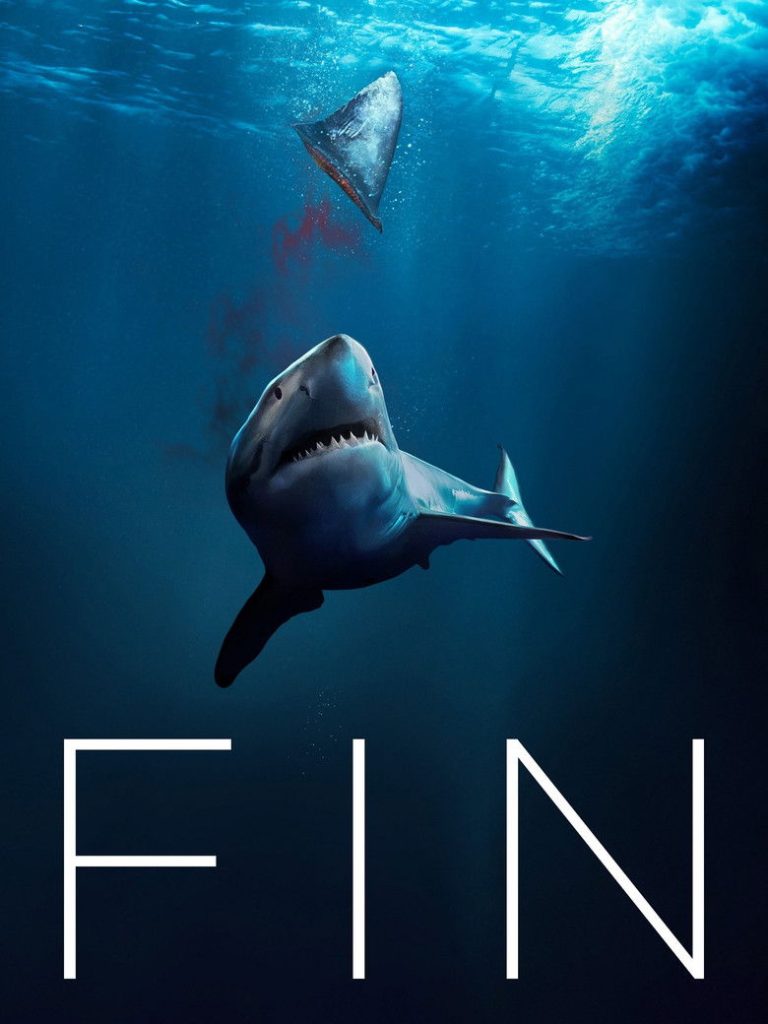
This 2021 documentary follows scientists, researchers, and activists as they investigate the global crisis of shark finning and the illegal trade driving sharks toward extinction. The film exposes the brutal practices and criminal networks responsible for killing millions of sharks annually, while advocating for conservation and challenging misconceptions about these marine predators.
Parent Guide
Educational documentary about shark conservation with disturbing real-world footage of animal cruelty and environmental crime. Best for mature children who can handle graphic content about wildlife issues.
Content breakdown
Graphic footage of shark finning (sharks having fins cut off while alive), dead sharks, and bloody marine environments. No human violence, but animal cruelty is shown explicitly.
Disturbing scenes of animal suffering and mass shark deaths. The documentary presents alarming statistics about extinction. May be upsetting for sensitive viewers or young children.
Occasional strong language related to describing criminal activities or expressing frustration about environmental destruction. No frequent profanity.
No sexual content or nudity.
No depiction of substance use.
Emotionally intense due to graphic animal cruelty footage and urgent conservation message. May provoke strong feelings about environmental issues and wildlife protection.
Parent tips
This documentary contains graphic footage of shark finning and dead sharks that may be disturbing. It focuses on environmental crime and conservation themes suitable for mature children interested in marine biology or activism. Watch together to discuss the ethical issues presented.
Parent chat guide
Parent follow-up questions
- What do sharks look like in the ocean?
- Why do people need to protect animals?
- Why are sharks important to the ocean?
- What does 'extinction' mean for animals?
- How does the shark fin trade harm ocean ecosystems?
- What can governments do to stop illegal wildlife trade?
- What economic and cultural factors drive the shark fin trade?
- How effective are current conservation laws in protecting marine species?
🎭 Story Kernel
At its core, 'Fin' is less about shark attacks and more about humanity's predatory relationship with nature and each other. The film follows marine biologist Dr. Lena Vance, whose obsession with proving sharks' intelligence becomes a mirror for her own ruthless ambition. Her drive to tag a great white leads her to manipulate colleagues and ignore safety protocols, revealing how scientific pursuit can become just another form of exploitation. The shark's attacks aren't random violence but calculated responses to human intrusion, making the ocean's apex predator more principled than the humans studying it. The climax where Lena sacrifices her assistant to save her research data shows how easily noble goals corrupt into monstrous self-interest.
🎬 Visual Aesthetics
Director Marco Alvarez employs a desaturated blue-gray palette that makes the ocean feel both beautiful and menacing, with occasional bursts of red during attacks that shock the viewer visually and emotionally. The underwater cinematography uses steady, gliding shots that mimic the shark's perspective, creating unease through smooth movement rather than shaky-cam chaos. Key scenes employ split diopter shots showing Lena's focused face in foreground while the shark approaches in background, visually connecting her obsession to the danger. The final sequence uses a rare overhead shot of blood spreading in water—not from a shark attack but from human betrayal—reinforcing the film's central inversion.
🔍 Details & Easter Eggs
💡 Behind the Scenes
Lead actress Sofia Ramirez trained with marine biologists for three months and performed most of her underwater scenes without a stunt double, including the tense cage sequence. The shark was created using a combination of practical animatronics (for close-ups) and CGI (for wide shots), with the animatronic weighing over 1,200 pounds. Filming occurred in the Bahamas where the crew encountered real sharks that were incorporated into background shots. Composer Eli Vance used hydrophone recordings of actual ocean sounds manipulated into the score's eerie motifs. The film's modest $15 million budget forced creative solutions, like using a repurposed fishing vessel as the main research boat.
Where to watch
Choose region:
- Amazon Video
- HBO Max
- Discovery +
Trailer
Trailer playback is unavailable in your region.