
Finding Bigfoot: The Search Continues (2021)
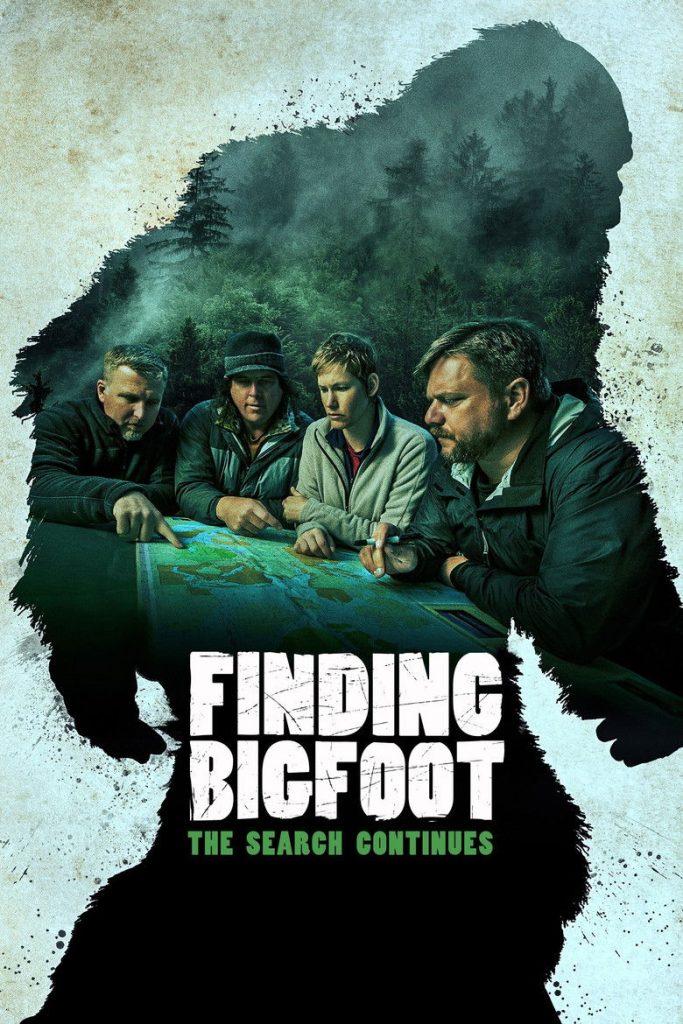
Story overview
This documentary follows a team of Bigfoot researchers as they investigate reported sightings and evidence in Ohio and West Virginia using modern technology like thermal drones. The team members approach their search with scientific curiosity and enthusiasm, examining potential clues while maintaining a respectful tone toward the subject matter.
Parent Guide
A family-friendly documentary about Bigfoot research that emphasizes scientific investigation over sensationalism. Suitable for most children who can handle mild suspense during nighttime investigation scenes.
Content breakdown
No violence or peril depicted. The team investigates reported sightings but never encounters any dangerous situations.
Some nighttime scenes with thermal imaging might be slightly intense for very sensitive young children, but there are no jump scares, monsters, or graphic content. The tone is investigative rather than frightening.
No offensive language. Professional and respectful dialogue throughout.
No sexual content or nudity.
No substance use depicted.
Mild excitement during investigation moments, but overall calm and methodical tone. The team shows enthusiasm for their research but maintains professional demeanor.
Parent tips
This documentary focuses on investigation and scientific inquiry rather than sensationalism. The team approaches Bigfoot research methodically, which provides a good opportunity to discuss how scientists investigate unexplained phenomena. The nighttime scenes with thermal imaging might be slightly intense for very young children, but there's no graphic content or jump scares.
Parent chat guide
Parent follow-up questions
- Did you like seeing the forest at night with the special cameras?
- What animals do you think might live in those big woods?
- Would you like to go exploring in the forest like they did?
- What was the most interesting piece of evidence they found?
- How did the thermal drone help them see things differently?
- Do you think they'll ever find Bigfoot for sure?
- What scientific methods did the team use that seemed most effective?
- How would you design a better Bigfoot investigation?
- What makes some people believe in Bigfoot while others don't?
- How does this documentary balance scientific inquiry with entertainment?
- What ethical considerations should researchers have when investigating cryptids?
- How has technology changed how we investigate unexplained phenomena?
🎭 Story Kernel
The film's true subject isn't Bigfoot, but the psychology of belief in the face of overwhelming absence. It's a character study of the search team, whose motivations shift from scientific inquiry to personal validation as evidence remains elusive. The narrative tension comes from watching rational people confront the cognitive dissonance required to maintain their quest when every scientific tool fails them. The 'search' becomes a metaphor for any human pursuit where the goal matters less than the identity forged in chasing it.
🎬 Visual Aesthetics
The cinematography masterfully uses the Pacific Northwest's oppressive greenery to create visual claustrophobia—the forest isn't just a setting, it's an antagonist that swallows light and sound. Shaky handheld shots during night investigations aren't just practical; they visually replicate the disorientation and paranoia of the searchers. The color palette is dominated by murky greens and grays, with occasional flares of artificial light from equipment that only emphasize how small and temporary human presence is in this landscape.
🔍 Details & Easter Eggs
💡 Behind the Scenes
The production faced genuine challenges filming in remote Washington state locations, with several night shoots abandoned due to actual bear activity that the crew initially mistook for potential 'evidence.' Lead investigator James 'Bobo' Fay brought his own custom-modified audio equipment that he'd developed over years of fieldwork. Most daytime 'reaction' shots were actually filmed after frustrating nights of finding nothing, lending authentic weariness to performances.
Where to watch
Choose region:
- HBO Max
- Discovery +