
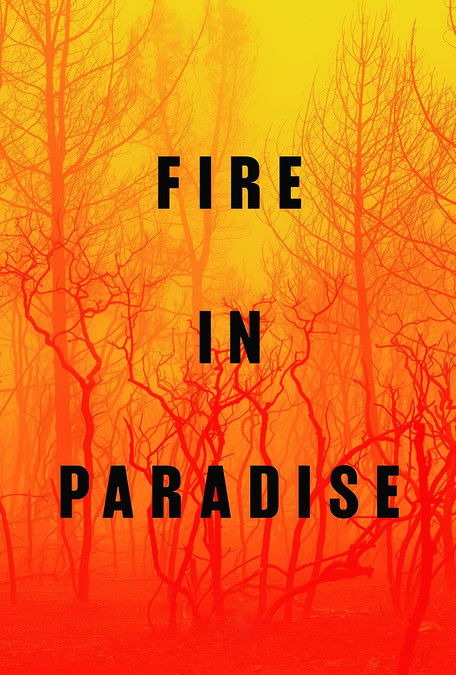
Fire in Paradise (2019)
Story overview
This documentary recounts the devastating 2018 Camp Fire through survivor interviews and footage, detailing how the wildfire destroyed Paradise, California, causing tragic loss of life and property. It focuses on personal stories of escape, loss, and resilience in the face of natural disaster.
Parent Guide
A sobering documentary about real disaster with intense imagery and emotional content. Best for mature tweens and teens who can process traumatic events.
Content breakdown
No physical violence between people, but peril from natural disaster: footage of raging wildfires, people fleeing, destroyed communities, and discussion of deaths.
Disturbing images of burned landscapes, destroyed homes, and emotional accounts of loss and trauma. Survivors describe terrifying escape experiences.
Possible emotional exclamations, but no sustained strong language noted in documentary context.
No sexual content or nudity.
No substance use depicted.
High emotional intensity from survivor stories of loss, fear, and grief. May provoke anxiety or sadness about natural disasters.
Parent tips
This documentary contains intense real footage of wildfires, destroyed homes, and emotional survivor accounts of trauma and loss. It may be frightening for younger children or sensitive viewers. Consider watching together to discuss safety and natural disasters. The TV-MA rating reflects mature themes.
Parent chat guide
Parent follow-up questions
- What should we do if we see fire?
- How can we help people who lost their homes?
- Why do wildfires happen?
- What made this fire so dangerous?
- How did people escape?
- What factors made this fire so destructive?
- How do communities recover after disasters?
- What emergency preparations should families make?
- What climate factors contribute to extreme wildfires?
- How does trauma affect disaster survivors?
- What policy changes could prevent such tragedies?
🎭 Story Kernel
The film's core is not just the 2018 Camp Fire's destruction, but the profound rupture of community and the subsequent, desperate search for its embers. It expresses the terrifying fragility of the systems we build—towns, routines, social bonds—against raw, indifferent nature. The characters are driven by a primal, sequential instinct: first by survival, then by the need to bear witness, and finally by the haunting question of whether 'home' can ever be a place again or must become a memory carried forward. The real narrative tension lies in the aftermath, as survivors grapple with a trauma that has no clear end, only a before and an forever-changed after.
🎬 Visual Aesthetics
The visual language is starkly dichotomous. The early sequences use serene, golden-hour shots of Paradise, California, establishing a peaceful 'before' with a palette of warm greens and blues. This tranquility is violently shattered by the fire's arrival, depicted through a harrowing collage: chaotic, ash-filtered cell phone footage, terrifying dashboard-cam videos, and stark aerial shots of apocalyptic devastation. The camera becomes an unflinching witness, often handheld and frantic, placing the viewer directly in the choking smoke and panic. The dominant post-fire palette shifts to monochrome grays and ashen tones, visually cementing the total loss of the world that was.
🔍 Details & Easter Eggs
💡 Behind the Scenes
The film's most visceral footage comes directly from residents and first responders, using their real cell phone and body-cam recordings. Director Drea Cooper spent extensive time gaining the trust of the Paradise community to access these personal archives. Notably, many of the interviewees are not professional actors but actual survivors, firefighters, and dispatchers, lending an unparalleled rawness to their testimonies. The production team faced the logistical and ethical challenge of filming in a still-active disaster zone and its scarred aftermath, often working alongside ongoing recovery efforts.
Where to watch
Choose region:
- Netflix
- Netflix Standard with Ads
Trailer
Trailer playback is unavailable in your region.