
Fist of Legend (1994)
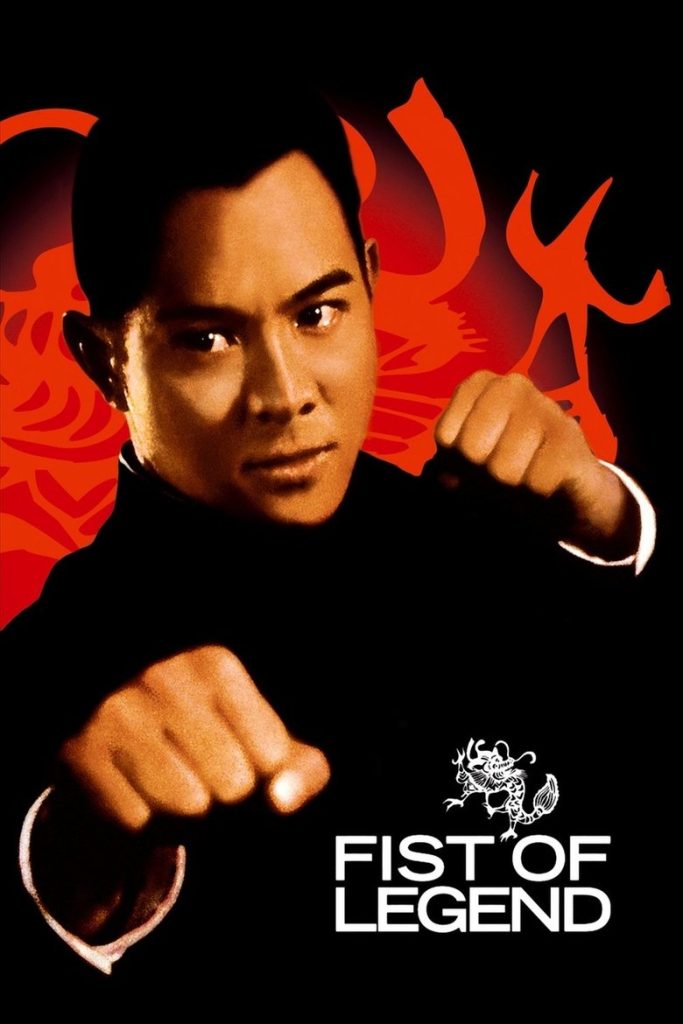
Story overview
Fist of Legend is a 1994 martial arts action film set in 1930s Shanghai. The story follows a Chinese martial arts student who returns home after studying in Japan, only to find his teacher dead under suspicious circumstances. He investigates the death while facing cultural tensions and rival martial arts schools, leading to intense fight sequences that showcase traditional Chinese combat styles.
Parent Guide
Martial arts action film with moderate violence and historical conflict themes suitable for mature viewers.
Content breakdown
Frequent martial arts combat including punches, kicks, throws, and weapon use. Some blood and injuries shown, but no graphic gore. Fight scenes are choreographed and stylized.
Some tense moments during fights and confrontations. Historical conflict themes might be unsettling for sensitive viewers.
Occasional mild language related to conflict situations. No strong profanity.
No sexual content or nudity present.
No substance use depicted.
Themes of loyalty, honor, and cultural conflict create emotional tension. Some scenes of betrayal and loss.
Parent tips
This film contains frequent martial arts violence with moderate intensity, including hand-to-hand combat, kicks, and weapon use that results in injuries and some blood. The R rating indicates content may be unsuitable for children under 17 without parental guidance. Parents should consider their child's sensitivity to action violence and cultural conflict themes before viewing.
The historical setting involves Japanese occupation of China, which creates tension and nationalistic themes that might require context for younger viewers. While there are no graphic depictions, the fight scenes are realistic and numerous throughout the film.
Parents may want to watch this with older children to discuss the martial arts philosophy, historical context, and non-violent conflict resolution alternatives presented in the story.
Parent chat guide
For older viewers, conversations could address themes of loyalty, honor, and how to respond when faced with injustice. The film presents martial arts as both physical skill and philosophical practice, which can lead to discussions about discipline and self-control.
Consider asking what lessons about respect and cultural understanding viewers took from the film, and how conflicts might be resolved without physical confrontation in real-life situations.
Parent follow-up questions
- What did you think about the fighting in the movie?
- How did the characters show they were friends?
- What colors did you see in the movie?
- What sounds did you hear during the fights?
- How did the characters move their bodies?
- What did the main character want to find out in the story?
- How did people show respect to each other in the movie?
- What are some ways to solve problems without fighting?
- What did you learn about martial arts from this film?
- How did the setting of old Shanghai look different from today?
- Why was it important for the main character to find the truth about his teacher?
- How did cultural differences affect the characters' relationships?
- What does honor mean to the different characters in the film?
- How does the film show martial arts as more than just fighting?
- What historical events were happening during the time this story takes place?
- How does the film portray the balance between justice and revenge?
- What commentary does the film make about nationalism and cultural identity?
- How do the fight scenes serve the story beyond just action sequences?
- What philosophical elements of martial arts are presented in the film?
- How does the historical context influence the characters' motivations and conflicts?
🎭 Story Kernel
At its core, 'Fist of Legend' is less about defeating a foreign enemy and more about a protagonist's crisis of identity and cultural authenticity. Chen Zhen returns from Japan to find his master dead and his school's honor compromised. His journey isn't to avenge a simple murder, but to rediscover what Chinese martial arts truly represent in a modern, colonized Shanghai. The driving force isn't hatred for the Japanese, but a profound disillusionment with the hollow nationalism and performative tradition within his own community. The final fight with Fujita isn't about national victory; it's Chen Zhen proving that true kung fu transcends political banners and is about personal integrity and effective technique.
🎬 Visual Aesthetics
The film's visual language masterfully contrasts chaos and clarity. The infamous dojo fight uses long, uncut takes and wide shots to create a palpable sense of spatial awareness and escalating chaos, making the viewer feel every impact. The color palette is often muted—grays, browns, and dark blues—reflecting the grim reality of occupied Shanghai, making the bursts of action feel more visceral. Yuen Woo-ping's choreography is brutally efficient; every move has weight and consequence, devoid of the wire-fu fantasy common in the era. The camera often stays at eye level during fights, grounding the spectacle in a painful, human reality.
🔍 Details & Easter Eggs
💡 Behind the Scenes
Jet Li performed the majority of his own stunts, and the iconic dojo fight was shot in a single day, requiring meticulous choreography. The film is a remake of Bruce Lee's 'Fist of Fury,' but director Gordon Chan shifted the focus from blind nationalism to a more nuanced critique. The Japanese characters, notably Fujita, are portrayed with a respect that was uncommon for the genre at the time, with actor Yasuaki Kurata being a respected martial artist in real life. Much of the film was shot in Shanghai, adding authentic period texture to the occupied city setting.
Where to watch
Choose region:
- Amazon Prime Video
- Peacock Premium
- Amazon Prime Video with Ads
- Peacock Premium Plus
- Shout! Factory Amazon Channel
- The Roku Channel
- Shout! Factory TV
- Tubi TV
- Amazon Video
- Apple TV
- Google Play Movies
- YouTube
- Fandango At Home
Trailer
Trailer playback is unavailable in your region.