
Flavors of Youth (2018)
Story overview
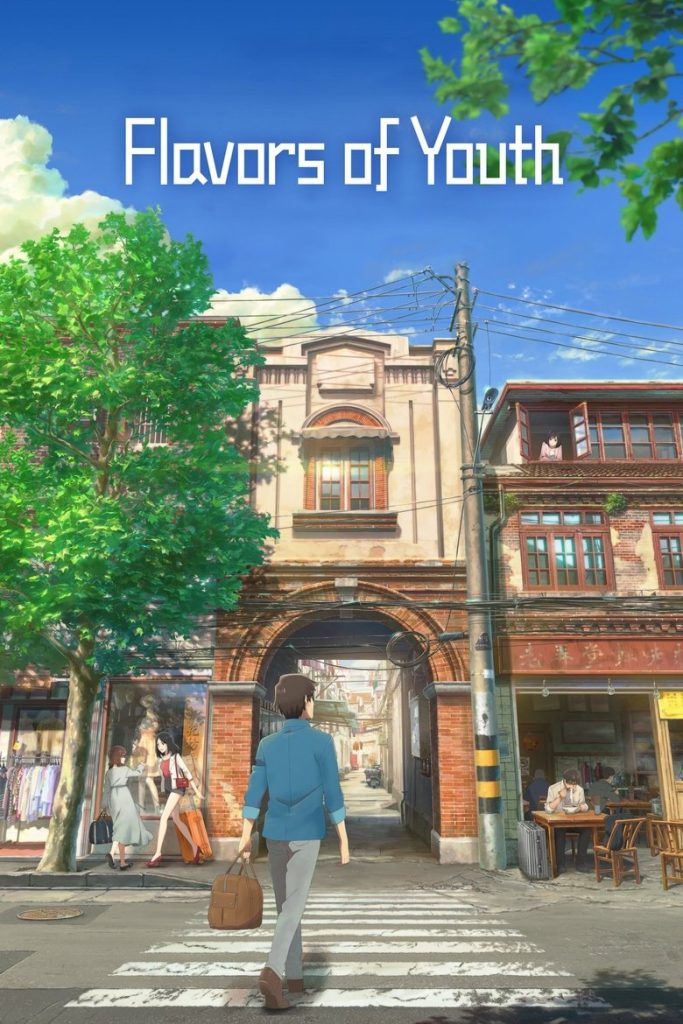
Flavors of Youth is a 2018 animated anthology film from China and Japan that explores themes of nostalgia, growing up, and cherished memories through three interconnected stories set in different Chinese cities. The film follows characters reflecting on their youth—through simple pleasures like a favorite bowl of noodles, family bonds, and first love—as they navigate the challenges of adulthood in a bustling urban environment. With its gentle, reflective tone and beautiful animation, it captures the bittersweet transition from childhood innocence to adult reality.
Parent Guide
A gentle, reflective animated film about memory and growing up, appropriate for most children ages 8+. Contains no concerning content but deals with emotional themes of change and nostalgia.
Content breakdown
No violence, fighting, or perilous situations. The film is completely peaceful in tone.
Nothing scary or disturbing. The animation style is beautiful and calming throughout.
No strong language or inappropriate dialogue. All conversations are polite and age-appropriate.
No sexual content or nudity. Romantic elements are limited to gentle, innocent expressions of first love.
No depiction of alcohol, drugs, or smoking. Characters are shown eating meals and drinking tea normally.
Contains mild emotional themes about growing up, change, and nostalgia. Some scenes show characters feeling wistful or reflective about their past, but nothing intense or distressing.
Parent tips
This film is suitable for most children ages 8 and up. It contains no violence, scary scenes, strong language, or substance use. The emotional themes are mild but may prompt discussions about growing up, change, and nostalgia. The romantic elements are very gentle and age-appropriate. Parents can use this film to talk about family memories, cultural differences, and how people change over time.
Parent chat guide
Parent follow-up questions
- What was your favorite food in the movie?
- Did you like the drawings in the movie?
- What color was your favorite in the movie?
- Which character did you like best and why?
- What would you put in your memory box?
- Have you ever tried noodles like in the movie?
- Why do you think memories are important to people?
- How did the different cities in the movie look different?
- What does 'growing up' mean to you after watching this?
- How does the film use food as a metaphor for memory?
- What cultural differences did you notice between the stories?
- Do you think nostalgia helps or hinders people as they grow older?
🎭 Story Kernel
The film explores how memory and nostalgia shape identity across three seemingly disconnected stories. In 'The Rice Noodles,' Xiao Ming's obsession with childhood noodles reveals how sensory experiences become anchors to a vanishing past. 'A Little Fashion Show' follows Lin Lin, whose career success masks a profound loneliness—her fashion designs become armor against emotional vulnerability. 'Love in Shanghai' shows Li Mo's inability to move forward, literally and emotionally, as he preserves his relationship through photographs. The connecting thread isn't plot but emotional truth: each character uses tangible objects (noodles, dresses, photos) to grasp intangible memories, suggesting nostalgia isn't passive recollection but an active, sometimes painful, construction of self.
🎬 Visual Aesthetics
The animation employs a hyper-realistic style that paradoxically emphasizes emotional distance. Shanghai's rain-slicked streets shimmer with melancholy blues and grays, while Beijing's urban landscapes feel oppressively concrete. The camera lingers on mundane details—steam rising from noodles, fabric textures, raindrops on windows—transforming them into emotional signposts. Color palettes shift with emotional states: warm sepia tones for nostalgic memories, cool blues for present-day alienation. The animation's meticulous detail creates an uncanny valley effect—everything looks real but feels slightly off, mirroring how memory distorts reality. Slow pans and static shots emphasize characters' emotional stasis, while occasional bursts of movement (like Lin Lin's runway walks) highlight brief moments of agency.
🔍 Details & Easter Eggs
💡 Behind the Scenes
Produced by CoMix Wave Films (creators of 'Your Name'), 'Flavors of Youth' was specifically created for Chinese audiences, marking a deliberate expansion beyond Japanese markets. The three directors—Li Haoling, Jiaoshou Yi Xiaoxing, and Yoshitaka Takeuchi—each helmed one segment, creating distinct visual styles while maintaining thematic cohesion. The film's Chinese title translates more literally as 'Food, Clothing, and Shelter,' directly referencing the three story themes. Voice actors were cast separately for Japanese and Chinese releases, with significant script adjustments for cultural authenticity in each version.
Where to watch
Choose region:
- Netflix
- Netflix Standard with Ads
Trailer
Trailer playback is unavailable in your region.