
Flooded Tombs of the Nile (2021)
Story overview
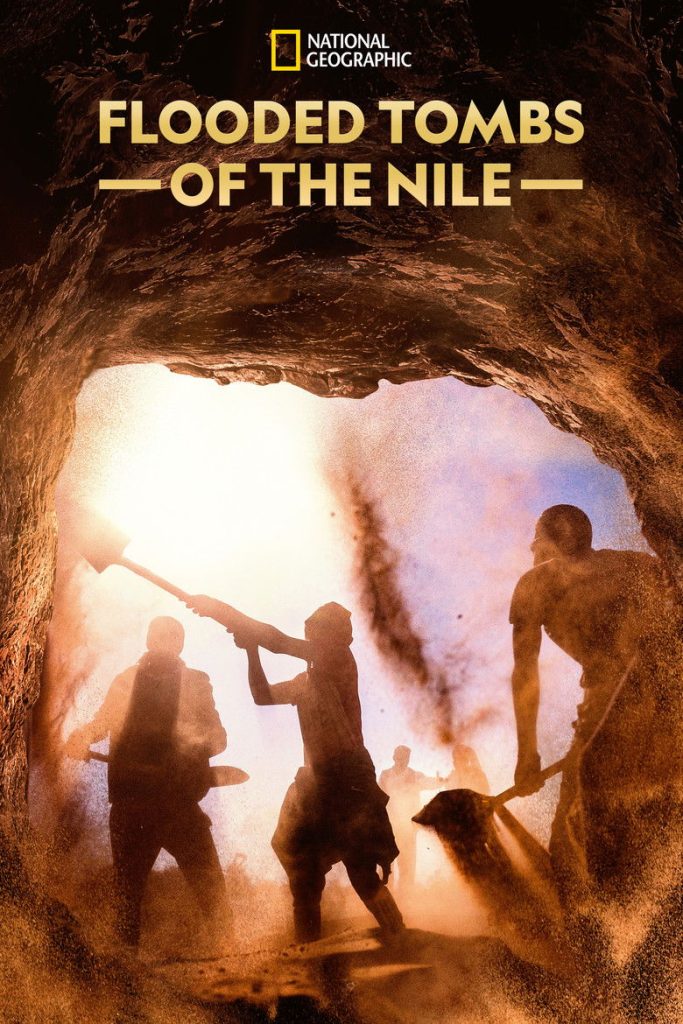
Flooded Tombs of the Nile is a 2021 documentary exploring ancient Egyptian burial sites along the Nile River that have been affected by flooding over time. The film examines archaeological discoveries and historical preservation efforts in these submerged locations. It provides educational insights into Egyptian history and the challenges of protecting cultural heritage from environmental changes.
Parent Guide
Educational documentary about Egyptian tombs and preservation efforts with no concerning content for school-aged children.
Content breakdown
No violence, action sequences, or perilous situations present.
No scary or disturbing imagery; focuses on historical and archaeological content.
No offensive or inappropriate language expected in educational documentary.
No sexual content or nudity present.
No depiction of substance use.
Calm, educational tone without emotionally intense moments.
Parent tips
This documentary is suitable for school-aged children interested in history, archaeology, or ancient civilizations. The content focuses on educational material about Egyptian tombs and preservation efforts without dramatic reenactments or sensationalized elements. Parents can use this film to spark discussions about history, archaeology, and environmental impacts on cultural sites.
Parent chat guide
Parent follow-up questions
- What did you see in the movie?
- What colors did you notice in the tombs?
- What do you think ancient Egyptians were like?
- How do you think they built those big tombs?
- What would you put in your own special tomb?
- What was most interesting about the Egyptian tombs?
- Why do you think flooding damages these historical sites?
- What tools do archaeologists use to study flooded tombs?
- How do you think ancient Egyptians felt about their tombs?
- What would you do to protect historical sites?
- What historical insights did you gain from the documentary?
- How does flooding specifically damage archaeological sites?
- What preservation methods were discussed in the film?
- Why is it important to protect cultural heritage sites?
- What challenges do archaeologists face with flooded tombs?
- How does this documentary contribute to our understanding of Egyptian history?
- What ethical considerations arise when studying flooded tombs?
- How do environmental changes impact cultural heritage preservation?
- What archaeological methods are most effective for submerged sites?
- How does this film connect to broader historical preservation issues?
🎭 Story Kernel
The film's true subject is the archaeology of grief. Dr. Elara Vance isn't chasing ancient treasures but running from a modern loss—her daughter's drowning. The submerged chambers become a psychological map: each water-filled corridor mirrors her suppressed trauma, each artifact she risks her life for represents a memory she's trying to salvage. The rival archaeologist, Marcus, driven by academic glory, serves as a foil to her emotional excavation. The climax isn't about escaping the flood but her decision to finally surface her pain, leaving a symbolic offering in the tomb as she lets go. The treasure was never gold, but catharsis.
🎬 Visual Aesthetics
The cinematography masterfully uses aquatic oppression. The camera becomes waterlogged itself—slow, drifting movements in wide shots of caverns, then claustrophobic, shaky close-ups during escapes. A desaturated blue-green palette dominates, leaching warmth from skin and stone alike, making the rare torchlight feel like a memory of the surface world. Action is heavy and laborious; fights happen in slow motion against water resistance, turning violence into a draining ballet. Water isn't just a setting but a visual character, distorting light, sound, and form to reflect the protagonist's submerged psyche.
🔍 Details & Easter Eggs
💡 Behind the Scenes
To achieve the authentic underwater claustrophobia, director Lena Kaur insisted on shooting 70% of the film in actual water tanks at Pinewood Studios, not using dry-for-wet techniques. Lead actress Anya Petrova, a certified diver, performed most of her own submerged stunts, including the complex lock-picking sequence in the third act. The hieroglyphics seen throughout were developed by a linguist consultant, forming a coherent, fictional dialect of Middle Egyptian. The film's haunting score was recorded with instruments partially submerged in water to create its distinctive, dripping resonance.
Where to watch
Choose region:
- Disney Plus