
Floyd Norman: An Animated Life (2016)
Story overview
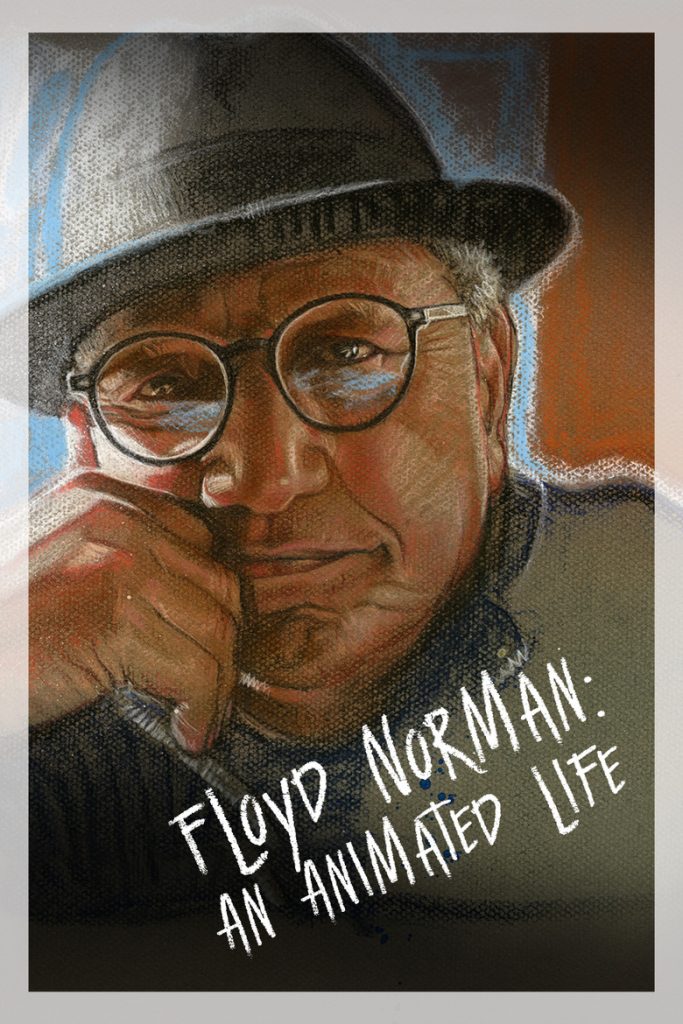
This documentary profiles Floyd Norman, an 80-year-old Disney Legend who was the first African-American animator at Disney. It explores his groundbreaking career, creative spirit, and how he continues to work and inspire in animation even after Disney's mandatory retirement at age 65, earning his playful 'troublemaker' reputation.
Parent Guide
A family-friendly documentary about an animation pioneer's life and legacy. No concerning content present.
Content breakdown
No violence, peril, or dangerous situations depicted.
Nothing scary or disturbing. The tone is inspirational and celebratory.
No offensive language or profanity.
No sexual content or nudity.
No depiction of alcohol, drugs, or smoking.
Mild emotional moments when discussing career challenges or retirement, but overall uplifting tone.
Parent tips
This is an inspiring documentary about creativity, perseverance, and breaking barriers. It's suitable for most children who can follow a biographical story. The film focuses on artistic passion and professional dedication rather than dramatic conflict. No concerning content is present, making it a positive viewing experience about following one's dreams.
Parent chat guide
Parent follow-up questions
- What was your favorite drawing in the movie?
- What does an animator do?
- What colors did you see in the animations?
- Why was it important that Floyd Norman was the first African-American animator at Disney?
- What does 'troublemaker' mean in this movie?
- How do you think Floyd felt when he had to retire?
- How did Floyd Norman's work change Disney animations?
- What challenges do you think he faced as a pioneer?
- Why do you think he kept working after retirement?
- How does this documentary reflect on diversity in creative industries?
- What does Floyd's story say about ageism in the workplace?
- How has animation as an art form evolved since Floyd began his career?
🎭 Story Kernel
The film is less a linear biography and more a meditation on creative endurance and institutional memory. It expresses how passion can outlast corporate structures, using Floyd Norman's career as a case study. What drives Norman isn't fame or recognition, but a fundamental, childlike joy in the act of creation itself—a drive so pure it renders retirement irrelevant. The narrative contrasts the ephemeral nature of Hollywood trends with the permanence of artistic contribution, suggesting that true legacy is built not through titles or awards, but through persistent, humble craftsmanship and mentorship across generations.
🎬 Visual Aesthetics
The visual language masterfully blends archival footage, contemporary interviews, and animated sequences that mirror Norman's own art style. The color palette shifts deliberately: warm, saturated tones dominate scenes of creative work and personal reflection, while cooler, flatter colors frame discussions of corporate Disney and industry bureaucracy. The camera often lingers on Norman's hands—sketching, gesturing, holding a pencil—making his creativity tactile and immediate. Animated segments aren't just illustrative; they become a visual metaphor for memory, with hand-drawn lines over live-action footage suggesting how the past continuously redraws the present.
🔍 Details & Easter Eggs
💡 Behind the Scenes
The documentary was directed by Michael Fiore and Erik Sharkey, who followed Norman for years, capturing his daily routine of still going to the Disney lot to work despite being officially retired. Key interviews include colleagues like animator/director Gary Trousdale and historian Don Hahn. A significant challenge was securing rights to decades of Disney archival footage, including rare clips of Norman working on 'The Jungle Book' and early storyboards. Notably, much of the contemporary footage was shot verité style, capturing Norman's unscripted interactions and his infamous habit of 'fly-by' mentoring in studio hallways.
Where to watch
Choose region:
- HBO Max
- HBO Max Amazon Channel
- Criterion Channel