
For All Mankind (1989)
Story overview
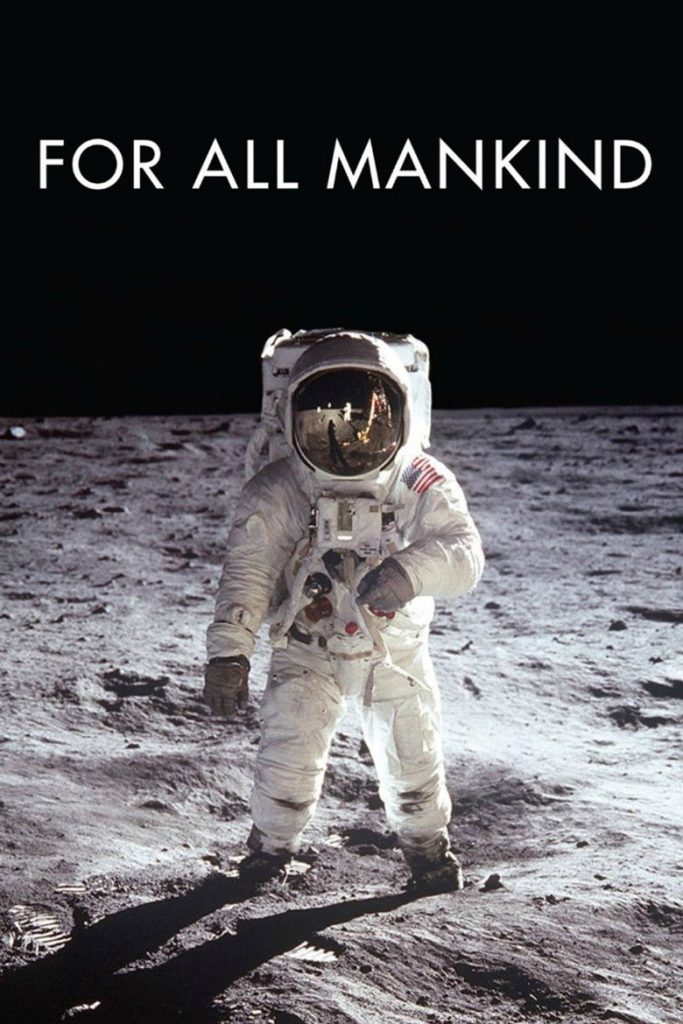
This documentary celebrates NASA's Apollo missions through authentic footage and astronaut interviews, offering a personal perspective on the historic moon landings.
Parent Guide
A family-friendly documentary with educational value and no inappropriate content.
Content breakdown
No violence or peril depicted; focuses on historical achievements.
Nothing scary or disturbing; includes real footage of space missions without intense scenes.
No offensive language; professional and respectful dialogue.
No sexual content or nudity.
No depiction of substance use.
May evoke awe and inspiration; no intense emotional scenes.
Parent tips
Suitable for all ages as an educational film; contains no concerning content but may require explanation for younger viewers due to its documentary style.
Parent chat guide
Parent follow-up questions
- What do you think it's like to go to the moon?
- Can you name something astronauts do?
- Why was going to the moon important?
- How did astronauts work together?
- What challenges did astronauts face during the Apollo missions?
- How has space exploration changed since then?
- What impact did the Apollo program have on science and society?
- Discuss the historical context of the space race.
🎭 Story Kernel
For All Mankind isn't just about the Apollo missions; it's a meditation on human consciousness confronting the sublime. The film's real subject is the psychological and spiritual transformation of astronauts when they see Earth from space—what Frank White called 'the overview effect.' Director Al Reinert structures the film not chronologically but thematically, weaving together voices from different missions to create a singular collective experience. The astronauts aren't driven by political competition but by a profound sense of wonder and vulnerability. Their mission becomes less about planting flags and more about discovering what it means to be human when removed from all earthly context.
🎬 Visual Aesthetics
The film's visual language transforms archival NASA footage into something transcendent. Reinert removes mission identifiers and technical jargon, allowing the images to speak as pure experience. The grainy 16mm footage gains a tactile, almost sacred quality—especially the iconic 'Earthrise' sequence where our planet appears as a fragile blue marble against cosmic blackness. The editing creates rhythmic patterns: the mechanical ballet of spacecraft docking gives way to the silent ballet of floating objects in zero gravity. Color palettes shift from the sterile whites and grays of the spacecraft interiors to the surreal, almost painterly landscapes of the lunar surface, where shadows stretch impossibly long and the sky remains perpetually black.
🔍 Details & Easter Eggs
💡 Behind the Scenes
Director Al Reinert spent ten years persuading NASA to grant access to their archival footage, ultimately reviewing over 6 million feet of film. The astronauts' audio commentary was compiled from 80 hours of interviews, with Reinert editing their words to create what he called 'the voice of the archetypal astronaut.' The Criterion Collection restoration involved painstakingly cleaning and stabilizing the original NASA footage, some of which hadn't been seen since the 1970s. Notably, the film features no narration beyond the astronauts' own words—a radical choice that makes their experiences feel immediate rather than historically distant.
Where to watch
Choose region:
- HBO Max
- HBO Max Amazon Channel
- Criterion Channel
- Cinemax Amazon Channel
- Cinemax Apple TV Channel
- Amazon Video
- Apple TV Store
- Fandango At Home